

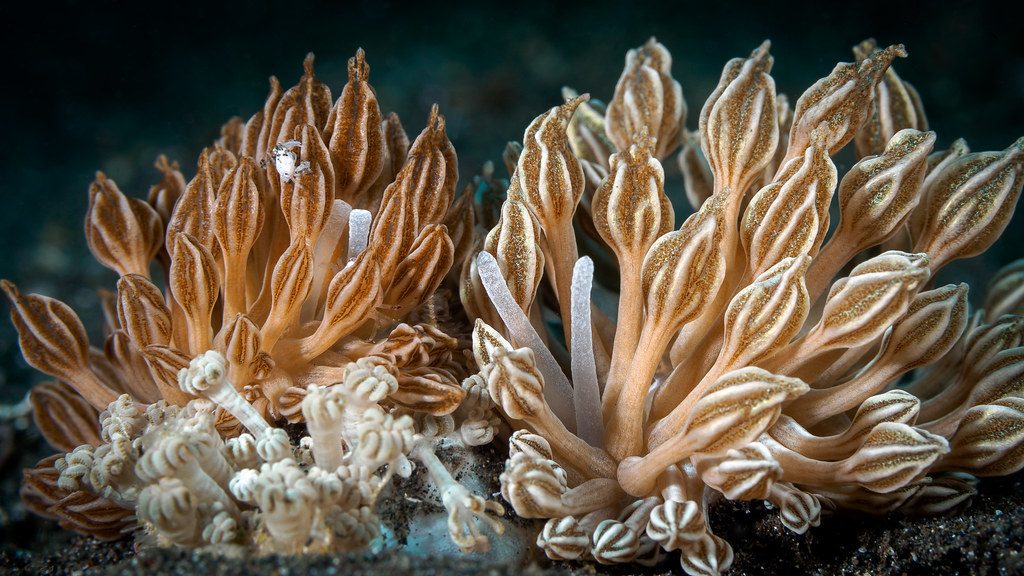
Xenia corals are famous for their pulsing polyps and fast growth. They are often sold as beginner corals. That reputation is partly true. Xenia can be hardy in stable tanks, but it can also melt without warning. Success comes from understanding stability, nutrients, and placement. In this guide, you will learn how to keep Xenia healthy, where to place it, how to control its spread, and what to do when a colony suddenly declines.
Xenia is one of the most recognizable soft corals in reef keeping. The rhythmic pulsing looks alive in a way few corals can match. Many hobbyists buy it for motion and easy color. Yet Xenia has a strange reputation. In one tank it grows like a weed. In another, it vanishes in days. That contrast confuses many reef keepers. The key is not chasing perfect numbers. The key is keeping a stable, mature reef with moderate nutrients and gentle handling. This article covers care basics, natural habitat, tank setup, lighting, flow, feeding, compatibility, fragging, and common problems. It also answers the questions hobbyists search most often before adding Xenia to a reef tank.
Quick Reference Table
| Care Factor | Recommendation |
|---|---|
| Common Name | Xenia Coral, Pulsing Xenia |
| Coral Type | Soft coral |
| Difficulty | Easy to moderate |
| Tank Size | 20 gallons minimum |
| Lighting | Low to moderate |
| Flow | Low to moderate, indirect |
| Placement | Lower to middle rockwork, isolated if possible |
| Temperature | 76-78°F |
| Salinity | 1.025-1.026 specific gravity |
| pH | 8.1-8.4 |
| Alkalinity | 8-10 dKH |
| Nitrate | 2-15 ppm |
| Phosphate | 0.03-0.10 ppm |
| Feeding | Mostly photosynthetic, benefits from dissolved nutrients |
| Aggression | Low sting, but invasive growth |
Use this table as a starting point. It helps with placement and basic care decisions. Still, Xenia responds more to stability than exact numbers. Avoid large swings in salinity, alkalinity, and nutrient levels. Those swings often cause the sudden crashes that make this coral seem unpredictable.
What Is Xenia Coral?
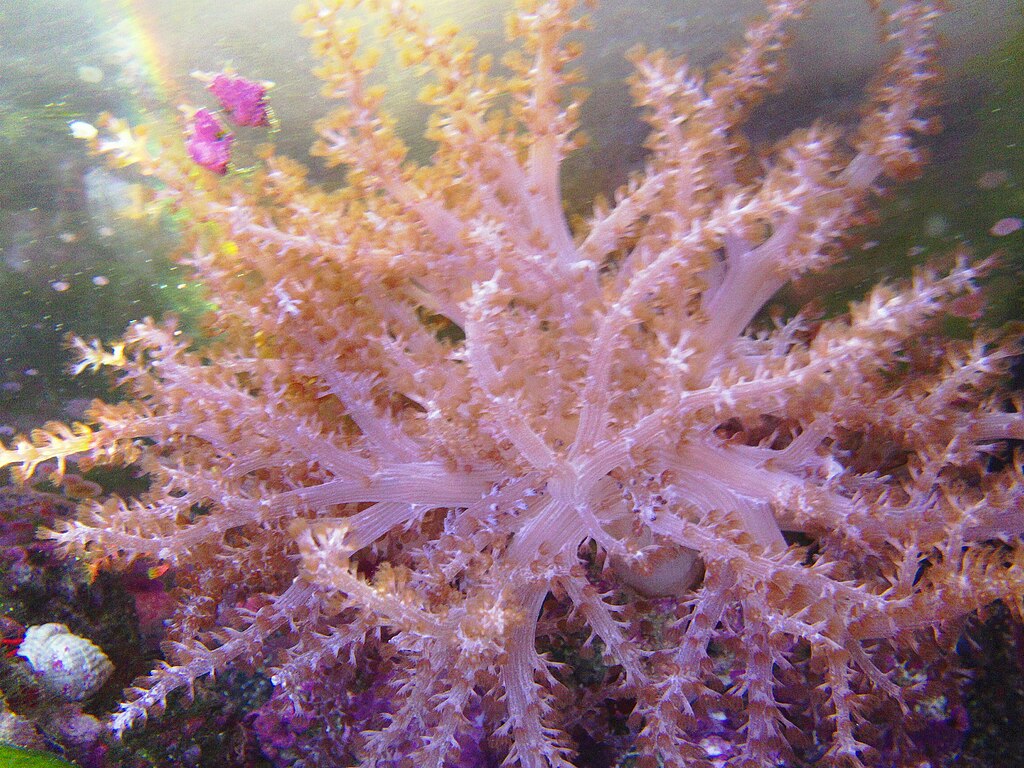
Xenia is a soft coral in the family Xeniidae. It forms stalks topped with feathery polyps. Many species and trade names exist in the hobby. Most are simply sold as pulsing Xenia. The pulsing motion is what makes it famous. Each polyp opens and closes in a steady rhythm. That movement adds life to a reef tank, even when fish are resting.
Xenia does not build a hard skeleton like SPS or LPS corals. It grows by spreading tissue across rock and forming new stalks. That makes it easy to frag. It also makes it easy to lose control of it. In nutrient-rich tanks, Xenia can cover rockwork quickly. In ultra-clean systems, it often struggles. This coral tends to do best in mature aquariums with some dissolved nutrients and consistent maintenance. It is less demanding than many corals, but it is not a coral that likes constant change.
Natural Habitat
Xenia corals occur in the Indo-Pacific region. They are found in shallow reef areas, lagoons, and protected reef slopes. In nature, they often grow in places with moderate light and moving water. These environments are not sterile. They contain suspended organics, plankton, and dissolved nutrients. That matters in captivity.
Wild Xenia often grows attached to rock in colonies. The water around them is stable, oxygen-rich, and constantly moving. However, the flow is usually broad and indirect rather than harsh. Their soft tissue is adapted to sway in current. Strong, direct blasts can keep polyps closed and damage tissue over time. Natural reefs also avoid the sudden chemistry swings common in young aquariums. This helps explain why Xenia can collapse after a major water change, rapid alkalinity correction, or salinity mistake. If you try to mimic nature, think stable water, moderate nutrients, and gentle movement.
Aquarium Setup
Xenia can live in tanks as small as 20 gallons, but larger systems are easier to keep stable. A mature nano reef can work well if salinity stays consistent. In bigger tanks, Xenia is often used to add motion to lower rockwork or isolated islands. Isolation is smart because this coral spreads fast once established.
Aquascaping matters with Xenia. Place it on a separate rock if possible. That makes future pruning much easier. If you attach it to your main reef structure, it may creep toward neighboring corals. It can overgrow zoanthids, mushrooms, and even slower soft corals. Leave space around the colony so the pulsing polyps can expand fully. Avoid placing it near powerhead intakes. Soft tissue can tear if it gets pulled into strong suction. Stable salinity is critical in small tanks, so use an auto top-off if possible. Xenia responds poorly to neglect, but it also dislikes sudden “corrections” after neglect.
Lighting Requirements
Xenia generally prefers low to moderate light. It contains symbiotic zooxanthellae, so it gets much of its energy from light. In most reef tanks, a PAR range around 50 to 150 works well. It can adapt to somewhat brighter conditions, but fast changes often stress it. Always acclimate new colonies to stronger lighting.
Under very dim light, stalks may stretch and lean. Pulsing can slow, and growth may weaken. Under excessive light, the colony may stay retracted or shrink. The best placement is often the lower to middle part of the tank. This is especially true under strong LEDs. If you use programmable lighting, avoid dramatic intensity swings. Xenia likes consistency. A stable photoperiod of eight to ten hours usually works well. If your tank runs very blue-heavy lighting, watch the coral’s shape rather than chasing a color response. Extension, pulsing, and steady growth are better health signs than brightness alone.
Water Flow
Xenia prefers low to moderate, indirect flow. The colony should sway gently. Polyps should open fully and pulse without being flattened. Too little flow can allow detritus to settle between stalks. That can irritate tissue and reduce gas exchange. Too much direct flow often stops pulsing and keeps the coral closed.
Broad, random movement is ideal. Aim powerheads past the colony, not directly at it. If the stalks bend hard in one direction all day, the flow is probably too strong. If debris collects on the colony, flow is likely too weak. Pulsing itself may help the coral move water around its polyps, but hobbyists still debate exactly why it pulses. In aquariums, healthy Xenia often pulses most in moderate conditions. Do not panic if a new frag does not pulse right away. It may need several days to settle and attach before normal behavior returns.
Water Chemistry and Nutrients
This is where many hobbyists lose Xenia. The coral usually likes “clean enough,” not ultra-clean. Tanks with zero nitrate and undetectable phosphate often produce weak growth or sudden decline. Aim for some measurable nutrients. Nitrate around 2 to 15 ppm and phosphate around 0.03 to 0.10 ppm are good targets for many systems.
Keep temperature between 76 and 78 degrees Fahrenheit. Maintain salinity at 1.025 to 1.026. Alkalinity should remain stable around 8 to 10 dKH. Calcium and magnesium matter less than they do for stony corals, but normal reef levels are still best. Avoid large swings after water changes. Match salinity and temperature carefully. Xenia is also sensitive to chemical contamination. Aerosols, soap residue, and metals can cause rapid collapse. If you run heavy nutrient export, such as oversized skimming, aggressive refugium growth, or strong media use, monitor whether the tank becomes too lean for soft corals.
Feeding
Xenia is primarily photosynthetic. It does not need target feeding like many LPS corals. In fact, direct feeding often does little. The coral benefits more from dissolved nutrients and a healthy microbial environment. That is one reason it often thrives in tanks with fish and regular feeding.
You can feed the tank normally with quality frozen foods, pellets, and occasional coral foods. Fish waste and dissolved organics often support Xenia indirectly. Avoid overfeeding just to help this coral grow. That usually creates algae problems first. If your tank is very clean, feeding fish a bit more can help raise nutrients naturally. Amino acids and fine particulate coral foods may help some systems, but results vary. The best feeding strategy is balanced nutrient input. A reef with healthy fish, stable export, and regular maintenance usually gives Xenia what it needs.
Compatibility
Xenia is generally reef safe with fish and most invertebrates. It does not have a powerful sting. The bigger issue is growth. It can spread over nearby rock and shade slower corals. This makes it a poor neighbor for prized zoanthids, acans, or encrusting SPS placed too close.
Most reef fish ignore Xenia. Clownfish may occasionally rub in it, but they rarely host it long term. Some angelfish and butterflyfish may nip at soft corals, so use caution in mixed reefs with known coral pickers. Hermits, snails, shrimp, and cleaner crews are usually fine. If you want a mixed reef, place Xenia on its own island or back wall section. That keeps it attractive without letting it dominate the display. If you enjoy soft coral gardens, Xenia pairs well with many mushrooms and leathers, as long as each coral has room. For more stocking ideas, see reef safe fish guide, soft coral care basics, and reef tank compatibility chart.
Step-by-Step Placement Guide
Start by choosing a healthy frag or small colony. Look for firm stalks, open polyps, and no mushy tissue. Avoid specimens with melting bases or persistent slime. Next, inspect your tank conditions. Make sure salinity is stable and nutrients are not bottomed out.
Place the coral in low to moderate light first. Choose indirect flow. Set it on an isolated rock if possible. Give it several days before moving it again. Watch for full extension and gentle pulsing. If the colony stretches upward, try slightly more light. If it stays closed and bends hard, reduce direct flow. Do not glue soft tissue directly if you can avoid it. Many hobbyists secure Xenia by placing the frag on rubble in a low-flow cup or basket until it attaches. Once attached, move the rubble to its final location. This method reduces damage and improves survival.
Propagation and Fragging
How Xenia Spreads
Xenia spreads by creeping across rock and forming new stalks. It can also drop tissue that reattaches elsewhere. This makes propagation simple. It also explains why neglected colonies can appear in new spots.
How to Frag Xenia Safely
Use clean scissors or a sharp blade. Cut a healthy stalk near the base. Handle it gently. Soft tissue tears easily. Place the cut piece in a shallow container with rubble and low flow. Some hobbyists use bridal mesh or a loose rubber band to hold it in place. Do not squeeze hard. Within days to a couple weeks, the frag usually attaches. Then move it to the display. Wear gloves and wash your hands after handling any coral. For more coral propagation tips, visit how to frag soft corals.
Common Problems
Why is my Xenia not pulsing?
Lack of pulsing does not always mean the coral is dying. New frags often stop pulsing during acclimation. Flow that is too strong can also stop pulsing. Low iodine is often blamed online, but instability is a more common cause. Check flow, salinity, alkalinity, and recent changes first. If the coral stays open and grows, occasional weak pulsing is not a major concern.
Why is my Xenia melting?
Melting usually points to stress. Common causes include salinity swings, alkalinity swings, chemical contamination, shipping stress, or nutrients that are too low. Remove any decaying tissue quickly. Test basic parameters. Run fresh carbon if contamination is possible. Avoid making many corrections at once. Stabilize the tank and let the coral recover.
Why did my Xenia grow too fast?
This is a common success problem. Strong growth often means the tank has suitable nutrients and stable conditions. Prune the colony regularly. Keep it on an isolated island. Remove creeping edges before they reach the main rockwork. Manual control is much easier than full removal later.
Can Xenia crash a tank?
A large die-off can foul the water, especially in small systems. If a big colony melts, siphon out loose tissue, run carbon, and increase aeration. Perform a measured water change if needed. Watch ammonia in very small tanks. Healthy, managed colonies are rarely dangerous, but neglected overgrowth can become a problem.
Frequently Asked Questions
Is Xenia a good beginner coral?
Yes, in a stable tank. It is easy to keep once conditions suit it. It is less forgiving of sudden swings than many beginners expect.
Does Xenia need dosing?
Usually no special dosing is needed. Maintain normal reef parameters. Stability matters more than chasing trace elements for this coral.
Can Xenia live in a nano reef?
Yes, but salinity must stay very stable. Nano tanks swing faster. Use an auto top-off and avoid large chemistry corrections.
Should I isolate Xenia on its own rock?
Yes, if possible. This is the best way to enjoy its movement without letting it spread across the whole aquascape.
What corals grow well with Xenia?
Many soft corals can work, but give each coral room. Avoid placing Xenia next to slow growers that can be shaded or overgrown.
Xenia corals reward stable reef keeping. They are beautiful, active, and easy to propagate. They can also become invasive or crash when conditions swing. Keep nutrients measurable. Provide gentle flow and moderate light. Place colonies where you can control them. If you do that, Xenia can become one of the most eye-catching soft corals in your reef. For more help with coral placement and tank stability, read reef tank parameter guide.
Was this helpful?
Related Posts
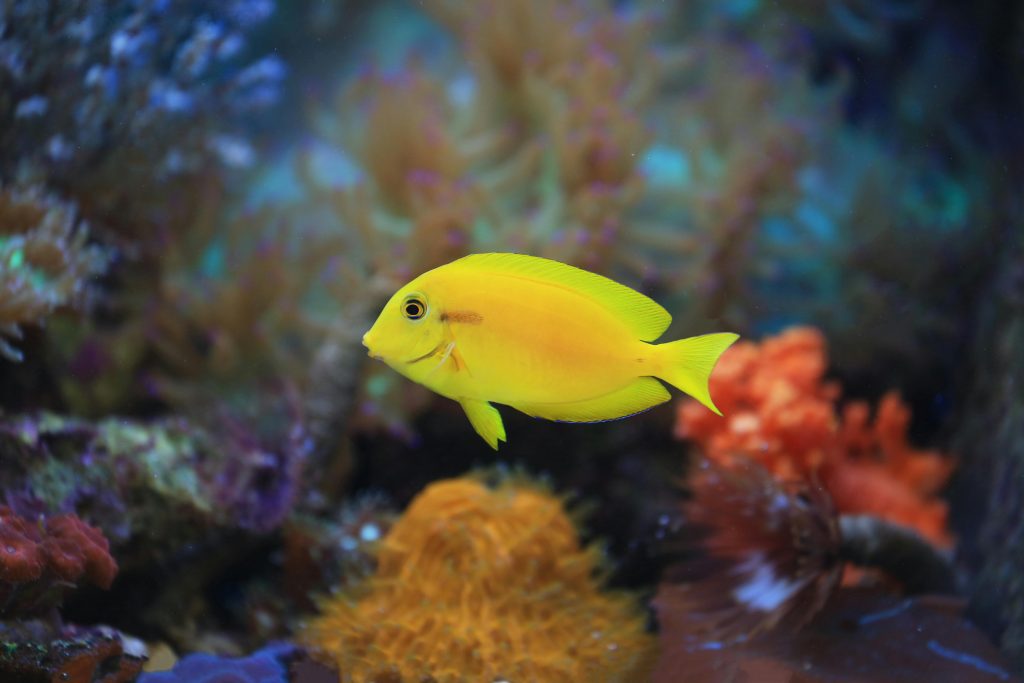
Juvenile Orange Shoulder (acanthurus Olivaceus)
Juvenile orange shoulder tangs are bright, hardy, and reef safe, but they grow large and need a spacious…
 By
By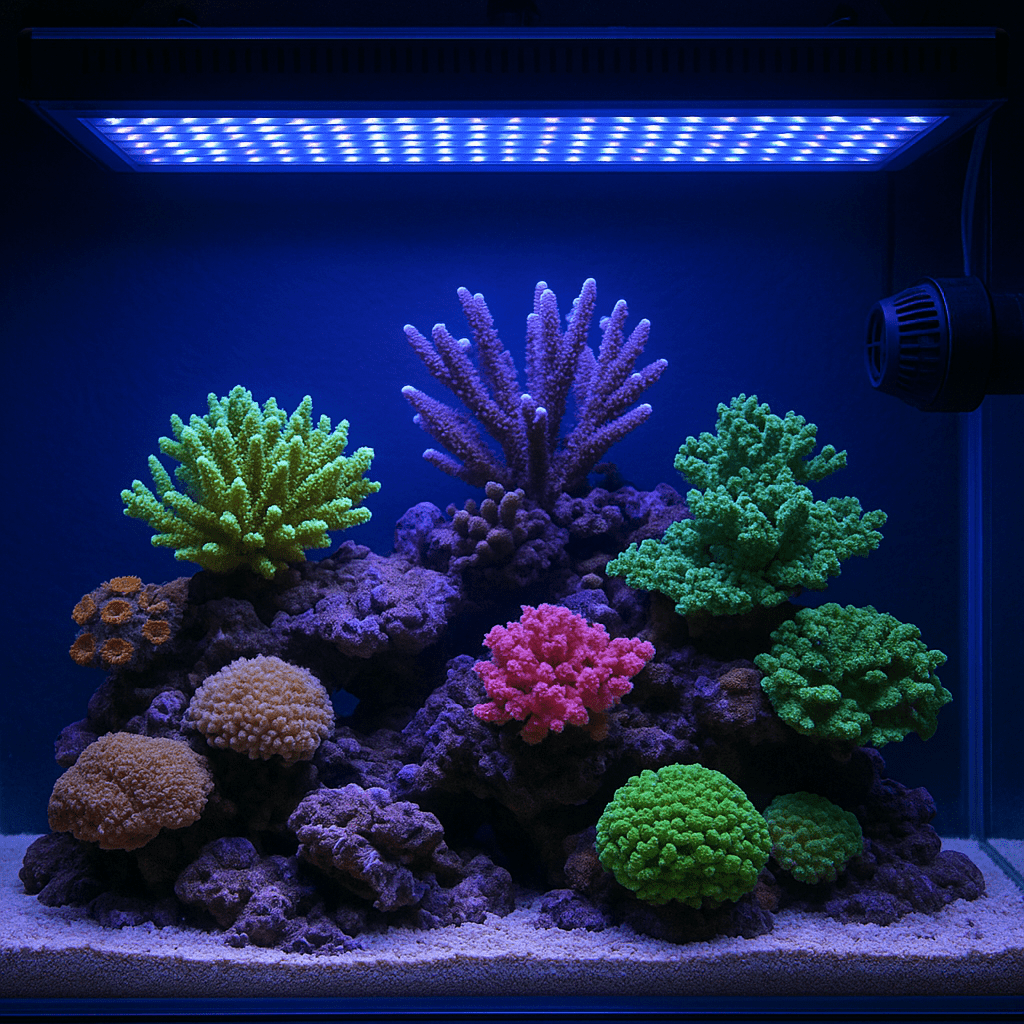
Best Filtration Systems
Best Filtration Systems for a Healthy Saltwater Aquarium Choosing the best filtration system for your saltwater aquarium is…
[favorite_button]
My Bookmarks:
To see full list click here
[user_favorites user_id="" include_links="true" site_id="" post_types="" include_thumbnails="true" thumbnail_size="thumbnail" include_excerpt="false"]