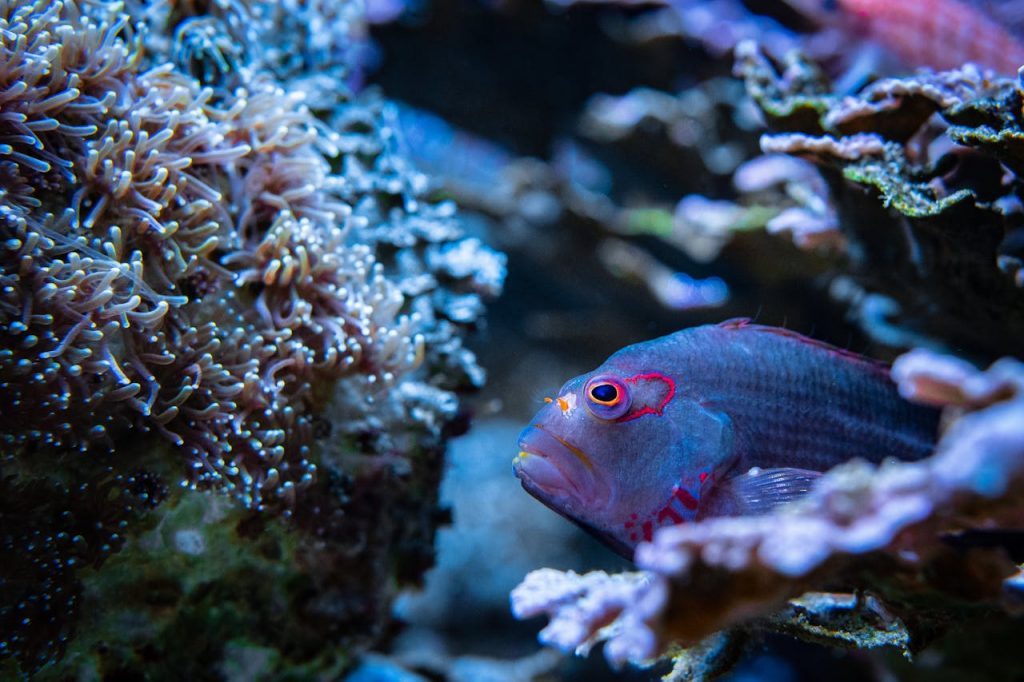
The Arc Eye Hawkfish (Paracirrhites arcatus) is a tough, perching reef fish with big personality. It watches your room like a tiny guard dog. With the right setup, it can thrive in many mixed saltwater tanks.
Natural behavior and tank setup
Arc Eye Hawkfish live on rocky reefs and perch on ledges. They use thick pectoral fins to “sit” on rock. They dart fast to grab food. Plan your aquascape around perches and sight lines.
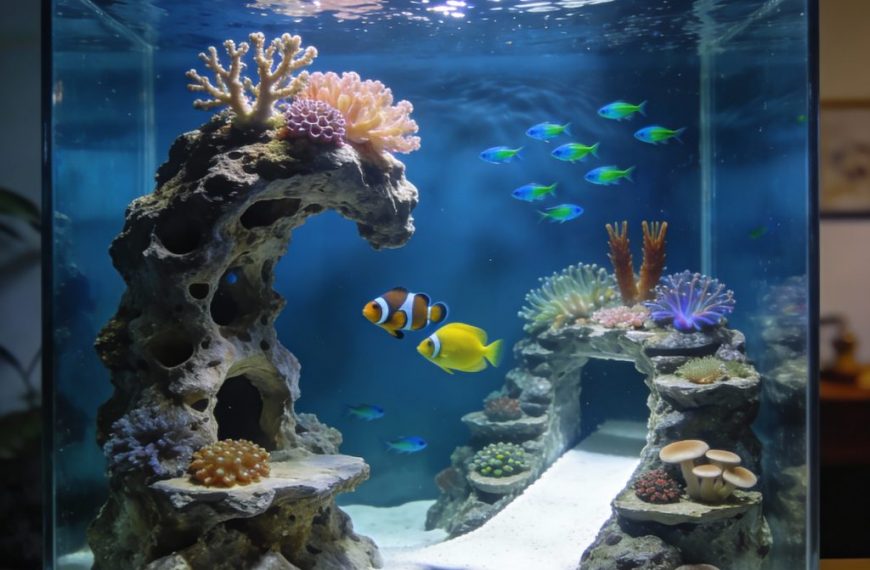
A 30-gallon tank works for a single fish. A 40-breeder feels better long term. Provide 20 to 40 pounds of live rock in a 40-gallon. Build several stable platforms at mid height. Leave open sand for flow and cleanup access.
Use a tight lid or mesh top. Hawkfish can jump when startled. Keep salinity at 1.025 to 1.026. Hold temperature at 76 to 78°F. Aim for pH 8.1 to 8.4 and alkalinity 8 to 9 dKH. Keep nitrate under 20 ppm for best color.
Flow should be moderate and varied. Too much direct blast stresses perchers. Add a few shaded caves for rest. If you need help planning rockwork, see reef aquascaping basics. Stable parameters matter more than chasing “perfect” numbers.
- Place at least three flat perches at different heights.
- Use a lid with no gaps around cords and plumbing.
- Keep ammonia and nitrite at 0 ppm at all times.
Feeding, compatibility, and reef safety
Arc Eye Hawkfish are carnivores with big mouths. Feed small portions twice daily. Offer frozen mysis, chopped shrimp, and enriched brine. Add pellets once daily if the fish accepts them. Soak food in vitamins one to two times weekly.
They are usually coral safe. They do not nip polyps in most tanks. The main risk is to small crustaceans. Tiny cleaner shrimp and small ornamental crabs may be hunted. Large cleaner shrimp often do fine in bigger tanks.
Choose tank mates that are not tiny or timid. Good picks include clownfish, chromis, and many wrasses. Avoid very small gobies in a nano. Avoid mixing with aggressive dottybacks in tight spaces. Add the hawkfish after shy fish settle.
Do not keep two hawkfish in small tanks. They can fight over perches. In 75 gallons or more, a bonded pair may work. Watch for fin nips and constant chasing. For a broader plan, read reef fish compatibility guide.
- Feed twice daily and remove leftovers after five minutes.
- Skip tiny shrimp if the hawkfish is already “hunt trained.”
- Add more perches if the fish guards one spot all day.
Quarantine, acclimation, and common problems
Quarantine reduces losses and protects your display. Use a 10 to 20-gallon bare tank. Add a sponge filter and small heater. Provide PVC elbows for perches. Keep salinity matched to the store water at first.
Acclimate with a slow drip for 30 to 45 minutes. Then transfer the fish without bag water. Dim lights for the first day. Offer food within six hours. Many hawkfish eat fast, which is a good sign.
The most common issue is jumping during the first week. Another issue is bullying smaller fish at feeding time. Spread food across the tank to reduce guarding. If the fish refuses food, check temperature and ammonia first. Try smaller foods like finely chopped mysis.
Watch for marine ich and flukes in new arrivals. Scratching and rapid breathing are warning signs. A freshwater dip can confirm flukes. Use proven quarantine methods and test often. Our saltwater fish quarantine guide can help you choose a plan.
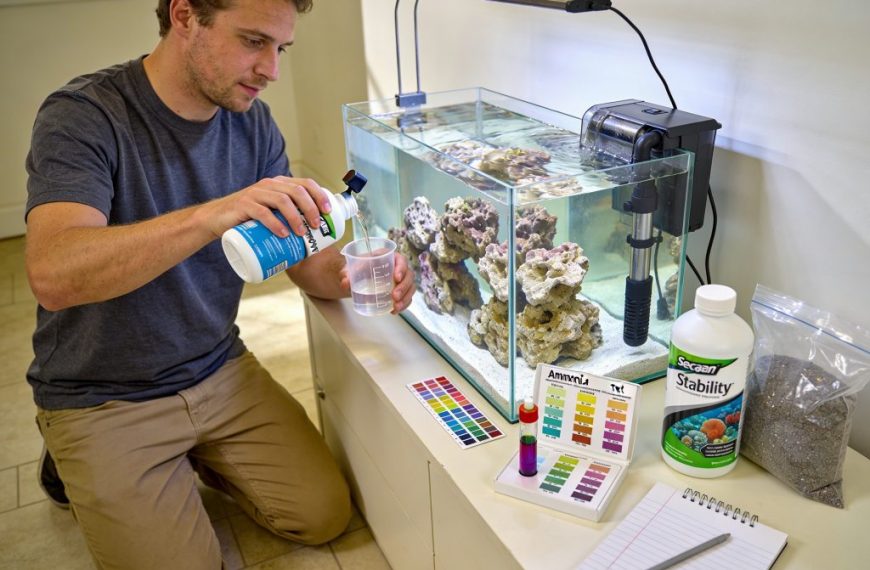
- Test ammonia daily in quarantine and keep it at 0 ppm.
- Use an ammonia badge plus a liquid test for confirmation.
- Keep a mesh lid on both quarantine and display tanks.
The Arc Eye Hawkfish is hardy, bold, and fun to watch. Give it perches, a tight lid, and steady water quality. Feed it well and plan tank mates around its hunting instincts. Do that, and it becomes a reliable show fish for years.
Sources: FishBase (Paracirrhites arcatus species profile); Scott W. Michael, Marine Fishes; Humann & DeLoach, Reef Fish Identification.
 By
By