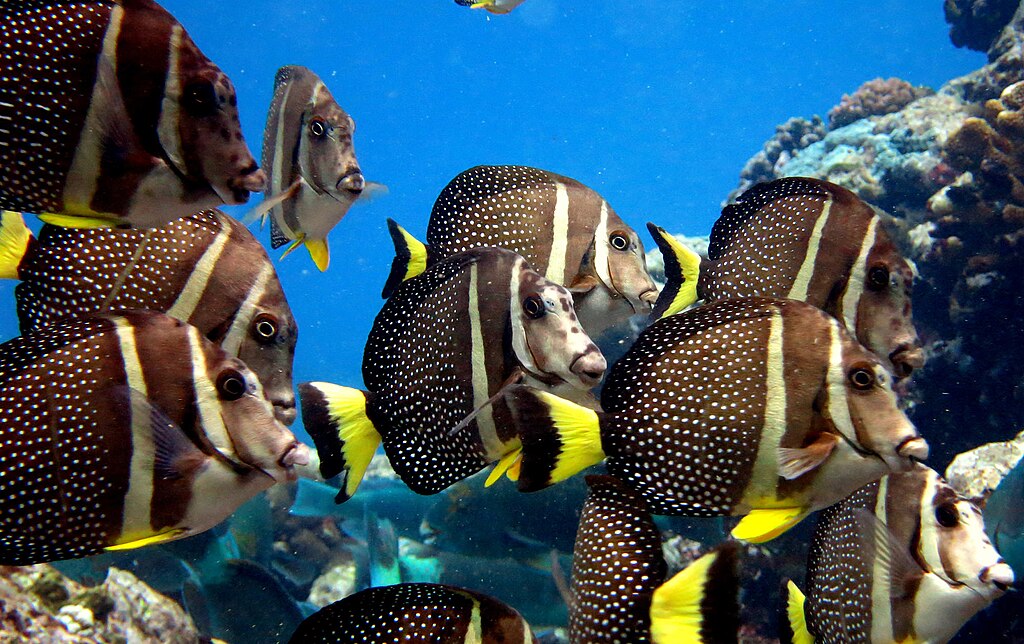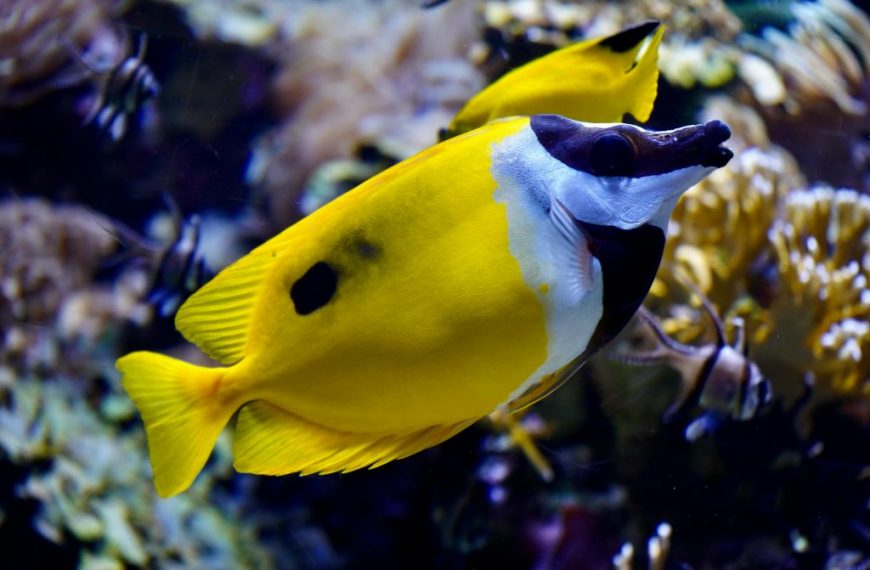
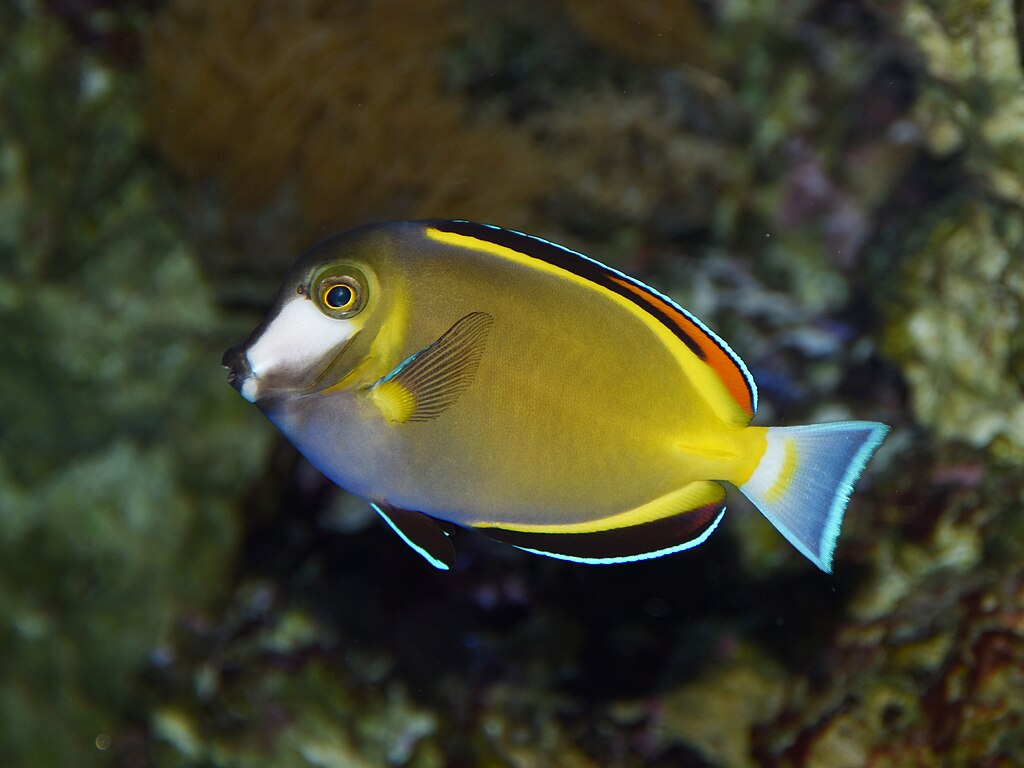
Powder Brown tangs are fast, alert grazers with bold color. They also have a strong immune sensitivity to stress. With the right setup, they become reliable reef show fish.
Tank size, aquascape, and water parameters
Plan for an active swimmer. Use a 125-gallon tank as a practical minimum. A 6-foot tank length helps reduce pacing and stress. Smaller tanks often trigger aggression and disease.
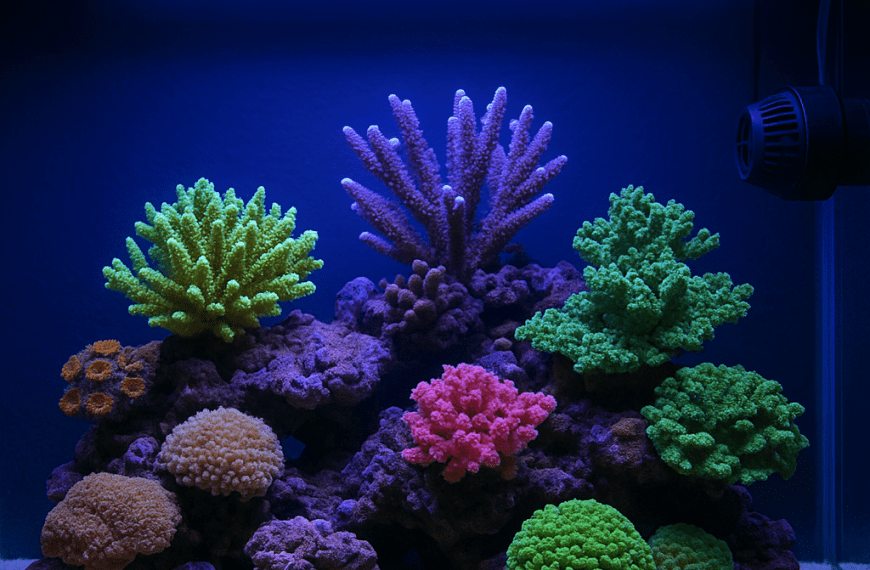
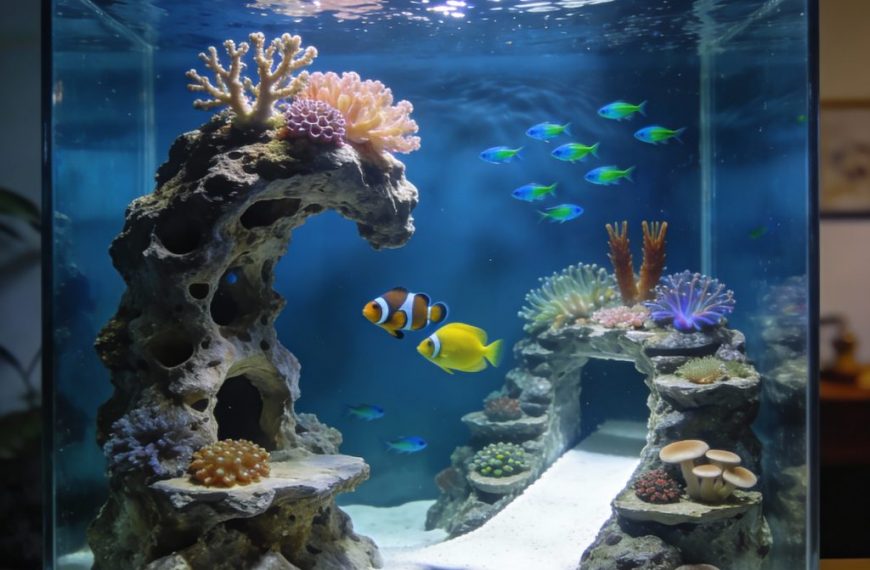
Build long swim lanes with rock islands. Leave a clear channel across the front. Add caves for retreat, but avoid tight mazes. Use 1 to 1.5 pounds of rock per gallon as a guide.
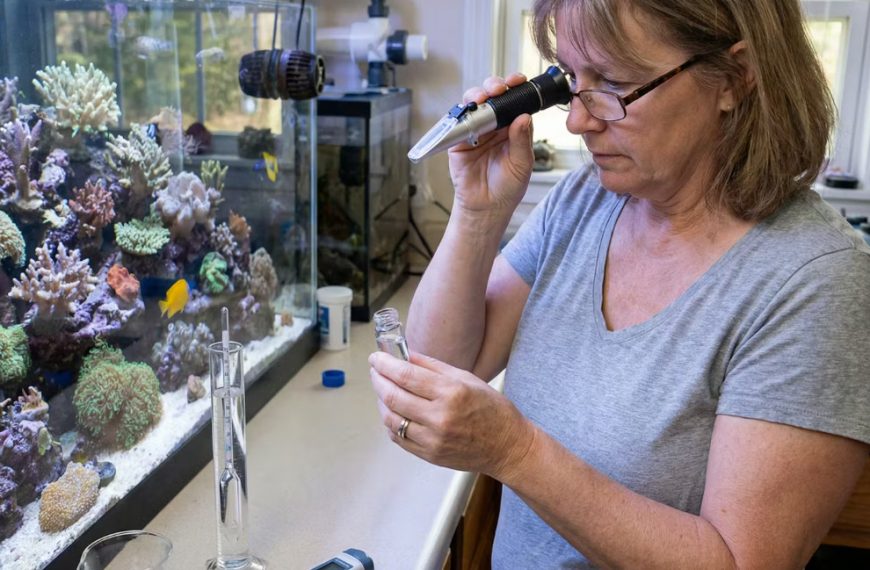
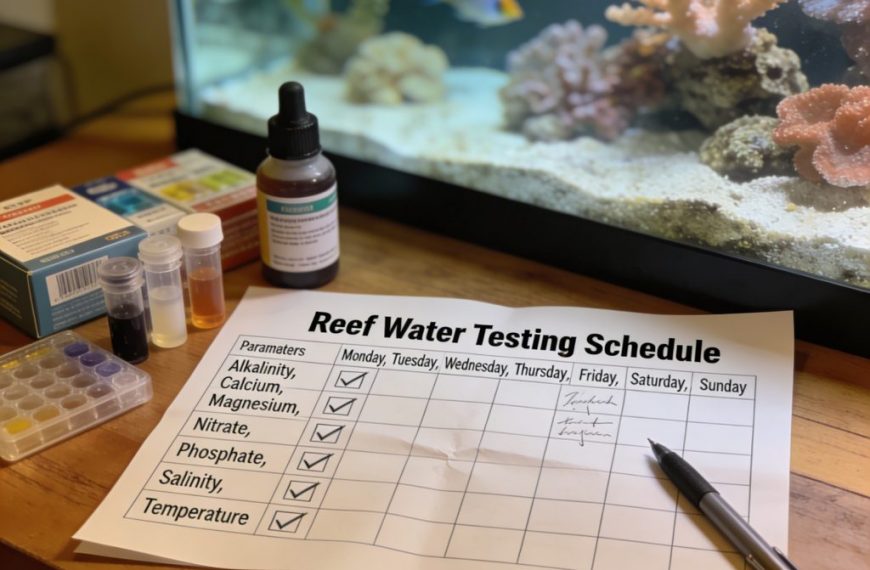
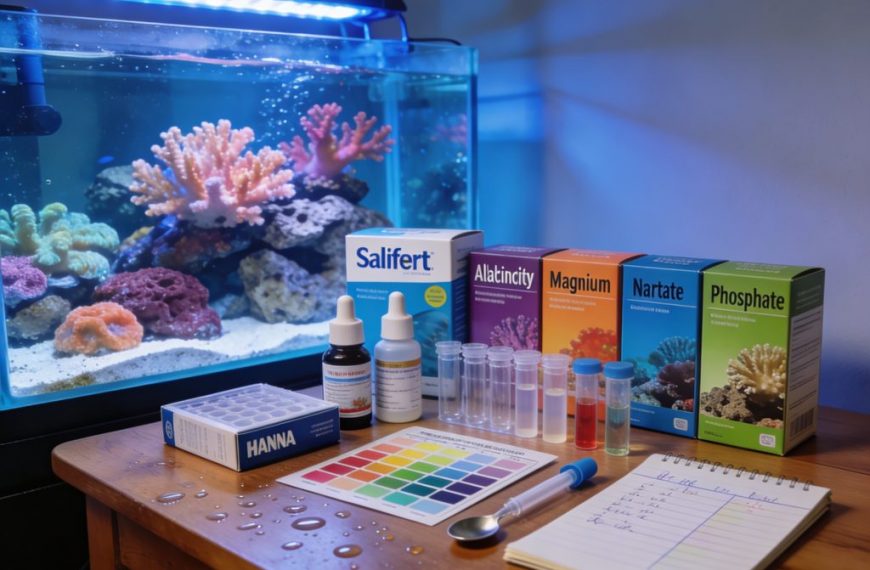
Keep parameters stable and boring. Target 76–78°F, salinity 1.025–1.026, and pH 8.1–8.4. Hold alkalinity at 8–9 dKH for a reef. Keep ammonia and nitrite at 0 ppm always.
Control nutrients without stripping the tank. Aim for nitrate 2–15 ppm and phosphate 0.03–0.10 ppm. Provide high flow and strong surface agitation. Powder Browns like oxygen-rich water.
- Use a tight lid or mesh top to prevent jumping.
- Run a skimmer sized for 1.5–2x your system volume.
- Quarantine new fish to protect your tang long term.
For more system planning, review our reef tank water parameters guide. It helps you pick targets and test routines. Stable numbers matter more than perfect numbers.
Diet, feeding schedule, and daily care
Powder Browns are constant grazers. Feed small portions 2–3 times per day. Offer nori on a clip in the morning. Replace it after 3–4 hours to prevent fouling.
Add variety to cover nutrition gaps. Use frozen mysis or brine with spirulina at night. Mix in a quality herbivore pellet once daily. Soak foods in vitamins two times per week.
Encourage natural grazing with mature rock and algae films. A new tank often lacks this food. Wait until the tank is 4–6 months old. You will see better weight and calmer behavior.
Watch body shape and fin edges each day. A healthy fish has a full forehead and smooth fins. Pinched bellies mean you must feed more often. Ragged fins can signal bullying or poor water quality.
- Offer 1–2 sheets of nori per day for adult fish.
- Use two feeding stations to reduce chasing.
- Remove uneaten frozen food within 5 minutes.
If you need a routine, see our feeding herbivores in reef tanks article. It includes portion sizes and rotation ideas. It also covers common vitamin mistakes.
Compatibility, quarantine, and troubleshooting
Powder Browns can be territorial with similar tangs. Add them after peaceful fish, but before very aggressive fish. Avoid mixing with other Acanthurus in small tanks. In 180 gallons, it can work with careful planning.
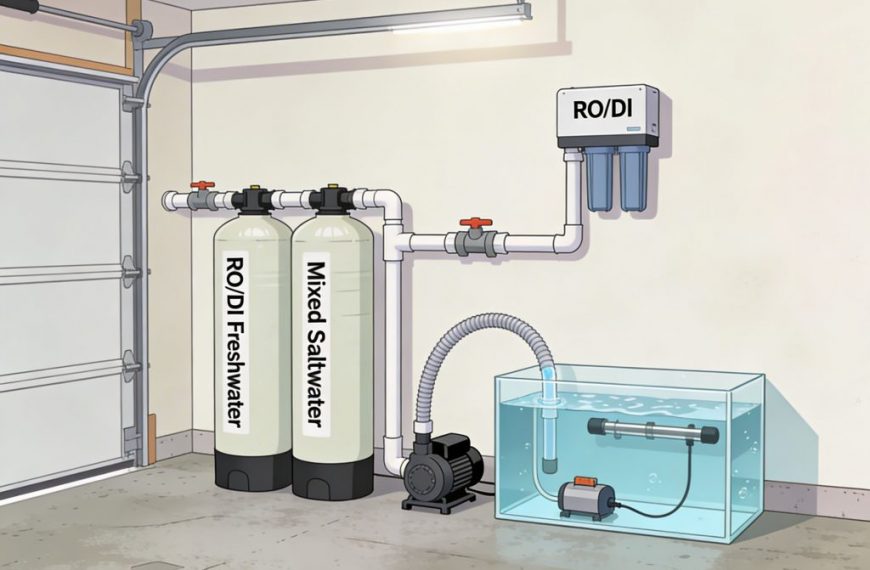
Use a 30–40 gallon quarantine tank for 30 days. Match salinity and temperature to the display. Provide PVC elbows for shelter and a seeded sponge filter. Keep ammonia under 0.25 ppm with daily testing.
Ich is the most common failure point. Stress, shipping, and new tankmates can trigger outbreaks. If you see white spots and flashing, act fast. Move the fish to quarantine for treatment and leave the display fallow.
Head and lateral line erosion can appear in poor conditions. Improve diet with algae and vitamins. Add activated carbon in a low-dust bag and rinse it well. Check stray voltage and keep nitrate below 20 ppm.
- Introduce with an acclimation box for 3–7 days.
- Use a mirror trick for 10 minutes to redirect aggression.
- Increase flow and oxygen during heat waves or outages.
For step-by-step isolation setups, read our saltwater fish quarantine setup guide. It covers equipment, timelines, and observation checklists. It also explains when to extend quarantine.
Powder Brown tangs reward stable tanks and consistent feeding. Give them space, flow, and algae-rich meals. Quarantine every fish and keep stress low for lasting success.
Sources: FishBase (Acanthurus japonicus species profile); Scott W. Michael, Marine Fishes (Acanthurus care and compatibility); Humblefish community disease management summaries (ich and fallow periods); Delbeek & Sprung, The Reef Aquarium (water quality and husbandry).
 By
By