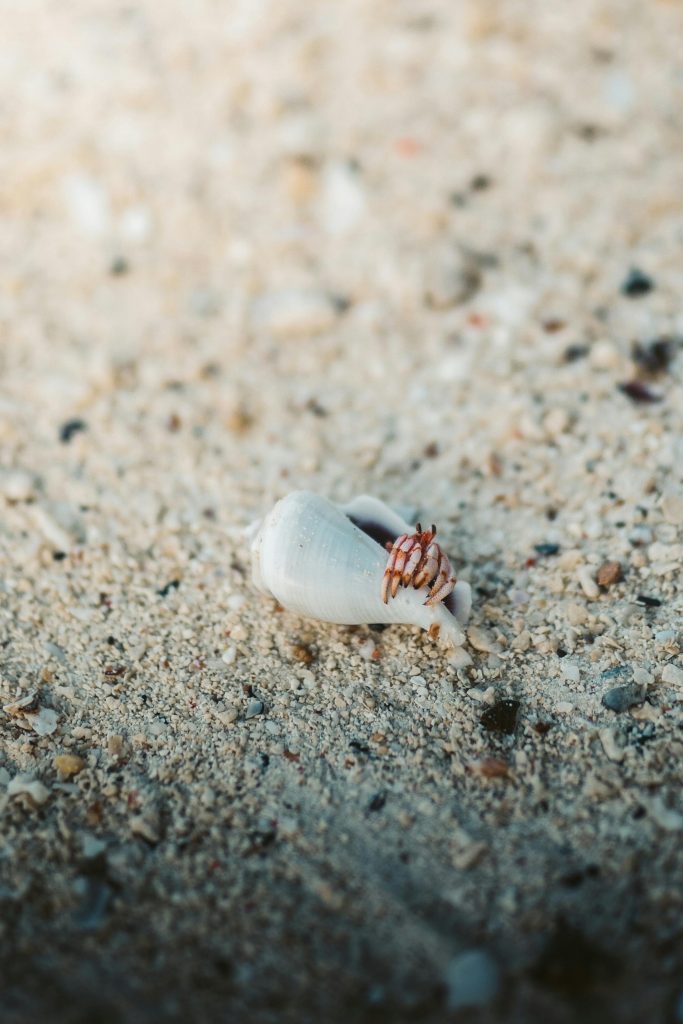
A well-planned reef clean up crew (CUC) can be the difference between a crystal-clear display and a tank overrun with algae and detritus. Instead of randomly adding snails and hermits, it pays to build a balanced team that matches your tank size, rockwork, and maintenance style. This guide walks you through choosing, stocking, and caring for a reef-safe clean up crew that actually works.
Core Members of a Reef Clean Up Crew
Algae Grazers
Algae grazers handle film algae on glass, rocks, and sand. Mixing species helps cover different surfaces and algae types.
- Trochus snails – Excellent film algae eaters that can right themselves if flipped. Great for most reef tanks.
- Turbo snails – Powerful grazers for heavier algae, but can bulldoze loose rock and corals.
- Nerite snails – Good glass cleaners; some may explore above the water line, so keep lids tight.
As a loose guideline, start around 1–2 small snails per 5 gallons and adjust based on how quickly algae returns.
Detritus and Waste Cleaners
Detritus eaters help keep nutrients under control by consuming leftover food and fish waste.
- Nassarius snails – Live in the sand and emerge when they sense food. Great for stirring the top layer of substrate.
- Cerith snails – Versatile cleaners that work on sand, rock, and glass, and help with film and diatoms.
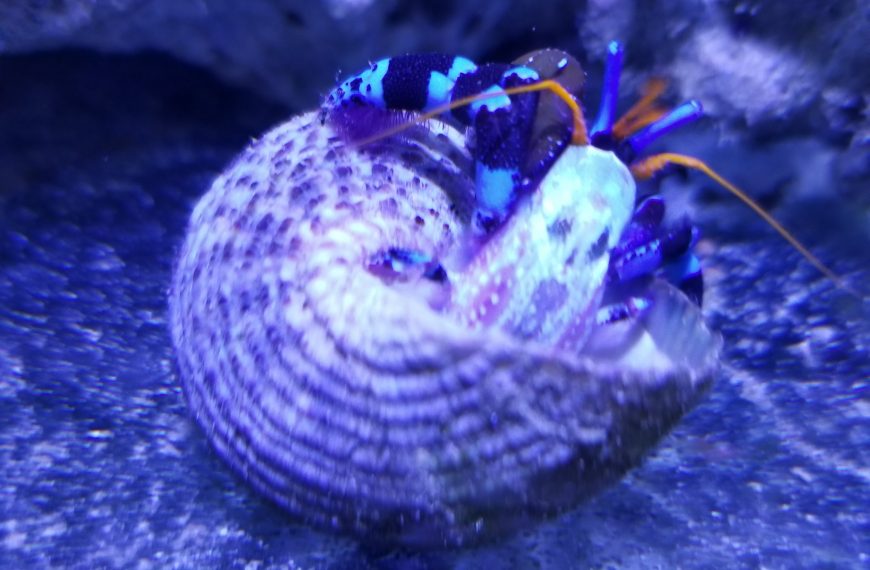
- Hermit crabs (blue-leg, scarlet) – Active scavengers; offer spare shells and keep their numbers modest to reduce snail predation.
For a deeper dive into managing nutrients, see our guide on reef tank nutrient control.
Specialty Cleaners
These animals tackle specific problems and add personality, but they should be chosen with care.
- Emerald crabs – Known for eating bubble algae, though not all individuals do. Feed them if algae is scarce.
- Cleaner shrimp (e.g., skunk cleaner) – Pick parasites and leftovers from fish and rockwork.
- Sand-sifting sea stars – Only for large, mature systems; they need a well-established sand bed to avoid starving.
How Many Clean Up Crew Members Do You Really Need?
Old rules like “1 snail per gallon” often lead to overstocking. Instead, consider:
- Tank age – Young tanks (under 6 months) go through algae cycles; stock slowly and observe.
- Feeding habits – Heavy feeding means more detritus; you may need more nassarius, cerith, and hermits.
- Rock and sand area – More surface area supports more grazers, but don’t exceed what your system can feed.
Tip: Start with 50–70% of what online calculators suggest. Watch algae and detritus levels for 2–3 weeks, then add more if needed.
For help planning around your specific volume and aquascape, check out our reef tank stocking guide.
Long-Term Care and Common Mistakes
A clean up crew isn’t a set-and-forget solution. To keep them thriving:
- Acclimate slowly – Use a drip acclimation for inverts; they’re sensitive to salinity and pH swings.
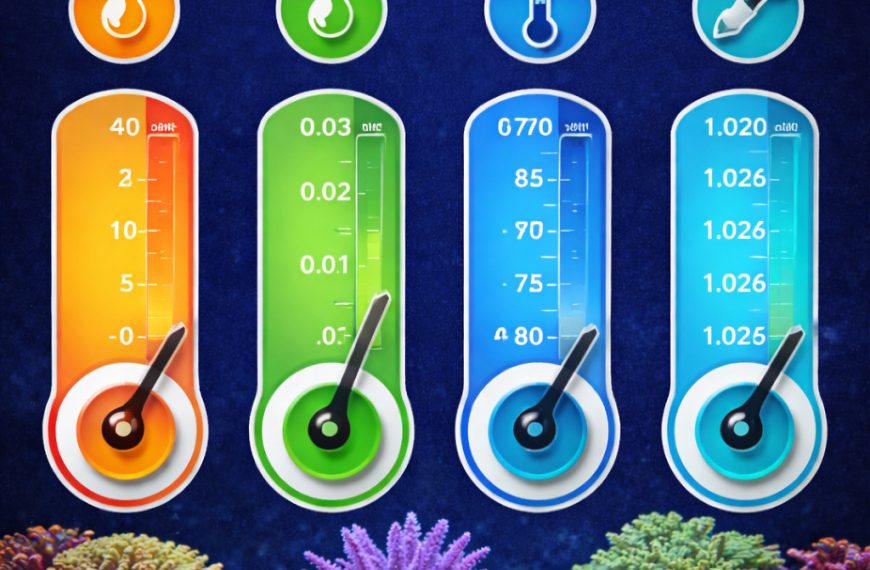
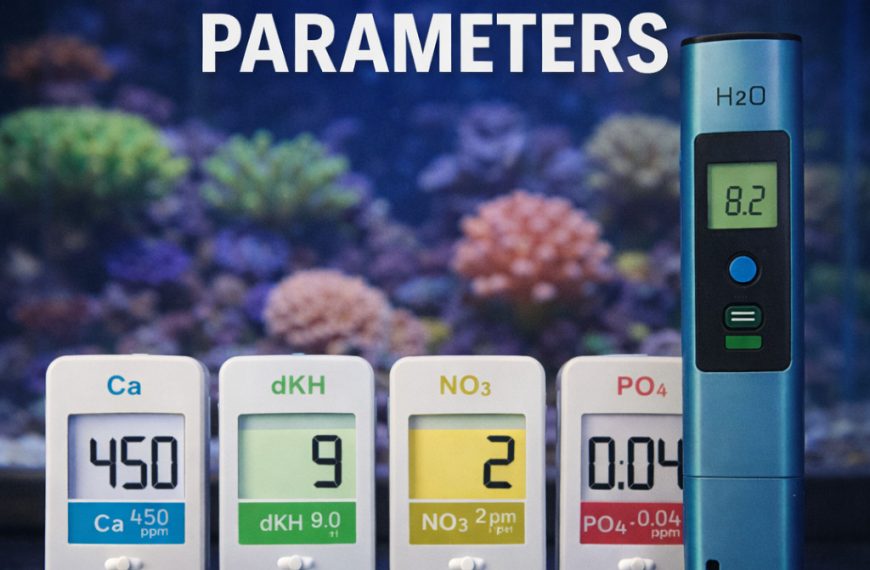
- Maintain stable parameters – Aim for 1.025–1.026 salinity, stable alkalinity, and low but measurable nutrients.
- Supplement food – In very clean tanks, offer small sinking pellets or algae wafers a few times a week.
- Avoid copper – Never use copper-based medications in your display; it is toxic to invertebrates.
Remember, your CUC is a support team, not a replacement for good husbandry. Manual algae removal, regular water changes, and proper filtration are still essential. For more on balancing equipment and biology, see our article on reef filtration basics.
With a thoughtful mix of grazers, scavengers, and specialty invertebrates, your reef clean up crew can stay active and effective for years. Start light, observe carefully, and adjust as your reef matures. The payoff is a healthier, more stable system and a display that looks as clean as it is vibrant.
Sources
- Sprung, J. & Delbeek, J. C. The Reef Aquarium, Volumes 1–3.
- Fenner, B. The Conscientious Marine Aquarist.
- Borneman, E. H. Aquarium Corals.
- Collective best practices from long-term hobbyist experience and major reef forums and publications up to 2024.
 By
By