
Planning your reef tank stocking list is one of the most exciting parts of the hobby—and one of the easiest places to go wrong. A smart stocking plan keeps aggression low, corals happy, and maintenance manageable for the long term. This reef tank stocking guide walks you through how to choose fish, inverts, and clean-up crew that actually work together.
Start With Your Tank Size and Filtration
Before you fall in love with a fish, match your wish list to your system. A 20-gallon nano and a 120-gallon mixed reef have very different limits.
- Tank volume: Larger systems handle more bioload and territorial species better than small tanks.
- Filtration capacity: A quality protein skimmer, ample live rock, and stable biological filtration let you support more fish safely.
- Experience level: Newer hobbyists should focus on hardy, peaceful species before tackling finicky eaters or aggressive fish.
For a deeper setup overview, check out our Beginner Reef Tank Setup guide to make sure your system is ready before you buy your first fish.
Choosing Reef-Safe Fish and Invertebrates
Not every colorful fish belongs in a reef. Some nip at corals, others bully tankmates, and a few grow far too large. Aim for a mix of species that occupy different niches and levels in the water column.
Core Reef-Safe Fish Groups
- Clownfish: Hardy, personable, and ideal for most tanks 20 gallons and up. Keep a bonded pair in smaller systems to avoid territorial disputes.
- Gobies and blennies: Great for smaller tanks; many stay under 3–4 inches and contribute to sand-sifting or algae control.
- Wrasses (reef-safe species): Fairy and flasher wrasses add motion and color but need a covered tank to prevent jumping.
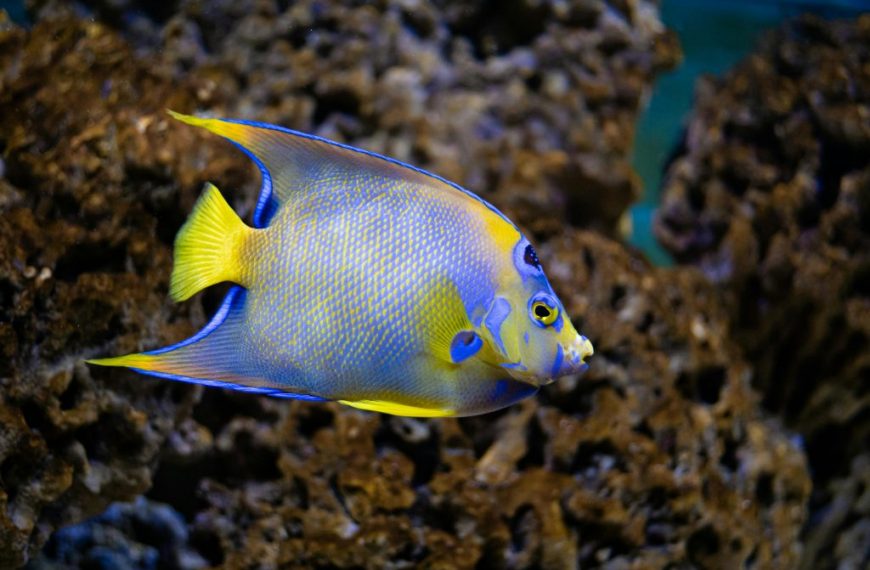
- Dwarf angelfish (with caution): Many are “reef-safe with caution” and may pick at fleshy corals or clams. Add only if you’re comfortable with some risk.
Invertebrates and Clean-Up Crew
A balanced clean-up crew helps control algae and leftover food, reducing maintenance and nutrient spikes.
- Snails: Mix types (trochus, nassarius, cerith) for glass, rock, and sand cleaning.
- Hermit crabs: Use sparingly; they’re great scavengers but may harass snails for shells.
- Shrimp: Cleaner and peppermint shrimp can help with parasites and pest anemones, and they add interesting behavior.
Match your clean-up crew to your tank’s age and algae levels. Our Reef Clean-Up Crew Guide breaks down ideal numbers for different tank sizes.
Stocking Order, Compatibility, and Long-Term Planning
Even the perfect fish list can fail if you add livestock in the wrong order or too quickly. Think of stocking as a slow, deliberate process, not a one-day event.
- Add peaceful fish first: Introduce shy, peaceful species before territorial ones so they can claim hiding spots.
- Introduce semi-aggressive fish last: Many wrasses, dwarf angels, and some tangs should be among the final additions.
- Quarantine new arrivals: A simple quarantine tank dramatically reduces the risk of introducing disease to your display.
- Let your bacteria catch up: Add 1–2 fish at a time and wait a couple of weeks while monitoring ammonia and nitrate.
Tip: When adding similar species (like multiple wrasses or anthias), introduce them at the same time to spread out aggression.
Also consider your future coral plans. If you’re aiming for a high-demand SPS reef, keep fish numbers modest to help maintain ultra-stable nutrients. For a soft coral or LPS-focused system, a slightly higher fish load can actually help by providing more dissolved nutrients. For more on balancing coral needs with fish stocking, see our Soft Corals for Beginners article.
Thoughtful stocking is about more than just how many fish your tank can hold—it’s about creating a balanced, low-stress ecosystem. By matching species to your tank size, choosing reef-safe options, and adding livestock slowly in the right order, you’ll build a thriving reef that’s enjoyable to watch and easier to maintain for years to come.
Sources
- Fenner, R. M. (2008). The Conscientious Marine Aquarist. TFH Publications.
- Michael, S. W. (2010). Marine Fishes: 500+ Essential-To-Know Aquarium Species. Microcosm Ltd.
- Borneman, E. H. (2001). Aquarium Corals. TFH Publications.
Was this helpful?
Related Posts
Reef Tank Filtration Options
Learn the best reef tank filtration options, how each method works, and how to build a stable system…
 By
By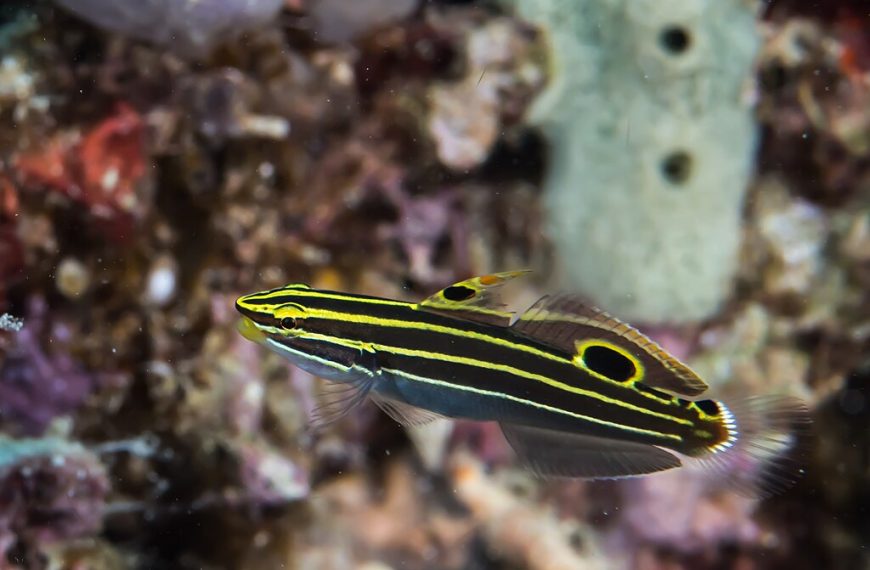
Hectors Goby (Koumansetta Hectori)
Hector’s goby is a peaceful, reef-safe sand sifter that thrives in mature tanks with fine sand, stable water,…