
Choosing compatible aquarium fish is one of the most important steps in reef keeping. Good fish choices reduce stress, limit aggression, and help your tank stay stable. The best community combines species with similar needs, calm temperaments, and safe behavior around corals and invertebrates.
Many new hobbyists focus on color first. That is understandable. Reef fish are stunning. But compatibility matters more than appearance. A beautiful fish can become a constant problem if it bullies tank mates, eats shrimp, or nips corals. This guide explains how to choose fish that live well together in a reef aquarium. You will learn which traits matter most, how tank size changes compatibility, and which popular species usually work in peaceful mixed reefs. You will also learn how to avoid common stocking mistakes that lead to stress, disease, and losses.
Quick Reference Table
| Fish Group | Reef Safe | Temperament | Best Kept As | Notes |
|---|---|---|---|---|
| Clownfish | Usually yes | Semi-aggressive | Single or pair | Can defend territory near host coral or anemone |
| Gobies | Yes | Peaceful | Single or compatible pair | Great for small reefs and sand beds |
| Blennies | Usually yes | Peaceful to semi-aggressive | Single | Some may chase similar-shaped fish |
| Cardinalfish | Yes | Peaceful | Single, pair, or group by species | Excellent community fish |
| Wrasses | Often yes | Varies | Single | Species choice matters greatly |
| Tangs | Yes | Semi-aggressive | Single in smaller tanks | Need strong swimming space |
| Dottybacks | Sometimes | Aggressive | Single | Can harass peaceful fish |
| Angelfish | Sometimes | Varies | Single | Many may nip corals or clams |
Use this table as a starting point only. Individual fish can behave differently. Tank size, aquascape, and stocking order all affect the outcome.
What Makes Aquarium Fish Compatible?
Compatible fish share space without constant conflict. They also tolerate the same water conditions and feeding schedule. In reef tanks, they must also be safe with corals, shrimp, snails, and other invertebrates.
Temperament is the first thing to check. Peaceful fish do best with other peaceful species. Semi-aggressive fish can work too, but they need planning. Aggressive fish often dominate the tank. They may chase weaker tank mates until those fish stop eating.
Adult size matters just as much. A tiny fish may seem safe today. It may become a predator later. Some wrasses, hawkfish, and larger dottybacks can eat small shrimp or tiny fish once mature.
Swimming zone also helps. Good communities use different parts of the tank. Gobies stay low. Anthias and chromis use open water. Blennies perch on rock. This reduces direct competition. Similar-looking fish often fight more. That is common with tangs, dwarf angels, and some blennies.
Best Compatible Fish for Reef Aquariums
Several fish groups are reliable for mixed reef tanks. Gobies are among the safest choices. They stay small, have calm behavior, and fit many tank sizes. Watchman gobies, clown gobies, and neon gobies are all popular. Many also add useful behavior. Some sift sand. Some clean parasites from other fish.
Cardinalfish are another strong option. Banggai cardinals and pajama cardinals are peaceful and easy to feed. They usually ignore corals and invertebrates. They also mix well with clownfish, gobies, and blennies.
Blennies are excellent when chosen carefully. Tailspot blennies are especially reef friendly. They add personality and often graze film algae. Midas blennies are beautiful, but they can be bolder. Give them caves and swimming room.
Many fairy wrasses and flasher wrasses also work well. They are active and colorful. They usually ignore corals. A tight lid is essential. Wrasses jump often. For more peaceful stocking ideas, see best reef safe fish and beginner reef tank guide.
Fish That Often Cause Compatibility Problems
Some fish are risky in community reefs. Dottybacks are a common example. They are colorful and hardy. They are also territorial. In smaller tanks, they may bully gobies, firefish, and other shy fish.
Damsels are another mixed case. A few species stay manageable. Many become aggressive with age. They often claim large parts of the rockwork. This can make feeding and maintenance harder.
Large angelfish are poor choices for most reefs. They may nip fleshy corals, clam mantles, and polyps. Some dwarf angels behave well for years. Then they suddenly start picking at LPS or zoanthids. This is always a risk.
Hawkfish can also create problems. They are interesting fish with bold personalities. But many eat ornamental shrimp. Triggerfish, puffers, and lionfish are usually unsuitable for peaceful reef communities. Always research the adult behavior, not the juvenile appearance. You can also compare species in reef fish compatibility chart.
How Tank Size Changes Fish Compatibility
Tank size strongly affects behavior. A fish that seems calm in a large aquarium may become hostile in a nano reef. Small tanks force fish into each other’s territory. There is less room to escape, hide, and establish boundaries.
In tanks under 30 gallons, stick with small peaceful species. Gobies, small blennies, and a clownfish pair are common choices. Avoid adding too many fish with similar body shape or habits. That often leads to chasing.
In tanks from 40 to 75 gallons, you gain more flexibility. You can keep a wider mix of fish if the aquascape provides breaks in line of sight. This is often the sweet spot for mixed reef communities.
Larger tanks allow tangs, bigger wrasses, and more structured stocking plans. Even then, space does not solve every issue. Territorial species still need careful introduction. Always plan around adult size, not store size. For help matching fish to system volume, read reef tank size guide.
Step-by-Step Guide to Building a Compatible Fish Community
Start with your tank size and equipment. Know how much biological load your system can handle. A strong skimmer and stable filtration give you more options, but they do not prevent aggression.
Next, choose your most peaceful fish first. Add shy species before bolder ones. Firefish, gobies, and cardinals should enter early. This lets them settle and claim safe spaces.
Then add moderate species. Clownfish, blennies, and many wrasses fit here. Watch interactions at feeding time. That is when early aggression often appears.
Add territorial fish last. This includes many dottybacks, damsels, and tangs. Quarantine every fish before introduction. Healthy fish handle social stress better. Rearranging a few rocks before adding a new fish can reduce established territory. Feed well during introductions, but do not overfeed. Use an acclimation box if one fish seems likely to attack. This lets both fish see each other without contact.
Aquarium Setup Tips That Improve Compatibility
A good aquascape can prevent many fights. Build caves, arches, and separate rock islands. Fish need visual barriers. If they cannot constantly see rivals, they often calm down faster.
Create different habitat zones. Leave open water for active swimmers. Provide sand for gobies. Add secure crevices for blennies and wrasses. This supports natural behavior and reduces competition for the same shelter.
Keep water quality stable. Fish under stress become more aggressive and less disease resistant. Maintain steady salinity, temperature, and nutrient levels. Sudden changes can trigger hiding, missed feedings, and social collapse.
A lid is important for many reef fish. Firefish and wrasses are notorious jumpers. Dim lighting during introductions can also help. It lowers stimulation and gives new fish time to orient. Strong flow is useful, but avoid turning every area into a high-energy zone. Some peaceful fish need calmer places to rest.
Feeding and Behavior Management
Many compatibility issues worsen when fish compete for food. Feed a varied diet and make sure each species gets what it needs. Herbivores need algae and plant matter. Planktivores need small meaty foods. Sand sifters may need target support in newer tanks.
Feed in more than one area if needed. This helps shy fish eat without being driven off. Small frequent feedings often work better than one large meal. They reduce frantic feeding behavior.
Observe body language daily. Torn fins, fading color, rapid breathing, and hiding can signal harassment. A fish that only appears after lights out is often being bullied. Catching this early is critical.
Use mirrors, acclimation boxes, or temporary dividers if aggression starts. Sometimes the best fix is removal. Not every fish can be trained into a community role. Long-term peace matters more than forcing a risky combination.
Common Problems
Why are my aquarium fish chasing each other?
Chasing usually means territory, competition, or stress. Check whether the fish are similar in shape, color, or swimming zone. Add more hiding places. Review stocking order. If the aggressor was added first, it may be defending the tank. An acclimation box or removal may be necessary.
Can I mix clownfish with gobies and blennies?
Yes, this mix usually works well. Clownfish may defend a small territory, especially as a pair. Gobies and blennies often use different spaces. Avoid overcrowding one side of the tank with too many perchers or cave dwellers.
Why is my new fish hiding and not eating?
This often happens after introduction. Stress, transport shock, and social pressure are common causes. Dim the lights. Offer small foods the fish recognizes. Watch for subtle bullying. If another fish rushes it during feeding, use a box or divider.
Are reef safe fish always community safe?
No. Reef safe only means they usually leave corals alone. A fish can be reef safe and still be aggressive toward tank mates. Always judge both coral safety and social behavior.
Frequently Asked Questions
What are the most compatible fish for a beginner reef tank?
Gobies, cardinalfish, clownfish, and small blennies are among the best beginner choices. They are hardy, widely available, and usually adapt well to captive foods.
How many fish can I keep in a reef aquarium?
That depends on tank size, filtration, fish size, and aggression level. A lightly stocked tank is easier to manage than a crowded one. Stock slowly and watch nutrient levels.
Can I keep more than one clownfish?
Most hobbyists should keep either one clownfish or a bonded pair. Groups usually need very large systems and careful species planning. In smaller tanks, extra clowns often fight.
Do compatible fish still need quarantine?
Yes. Quarantine prevents disease introduction and gives new fish time to recover. A healthy fish is far more likely to integrate successfully into a community tank.
What is the biggest mistake with fish compatibility?
The biggest mistake is buying fish without checking adult behavior. Many problems begin when hobbyists choose fish for color alone. Research first, then stock with a plan.
Compatible aquarium fish create a calmer, healthier reef tank. The best results come from planning ahead, stocking slowly, and choosing species with similar needs. If you build your fish list around temperament, adult size, and tank space, your reef will be easier to manage and far more enjoyable to watch.
Was this helpful?
Related Posts
Reef Tank Basics
Learn reef tank basics, from setup and cycling to lighting, flow, and water chemistry, so your first reef…
 By
By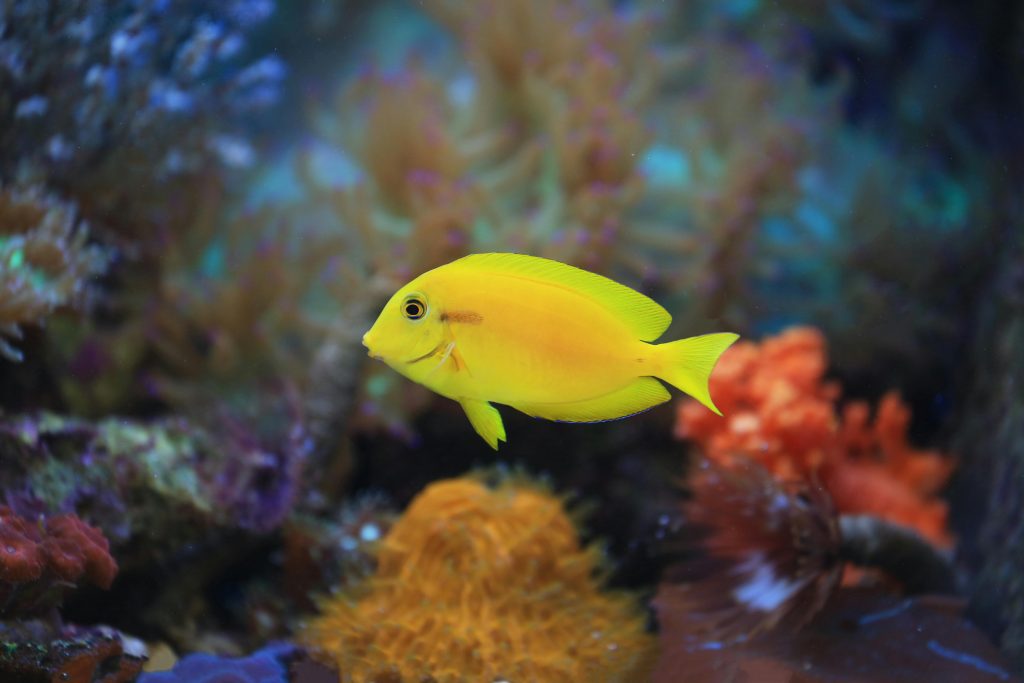
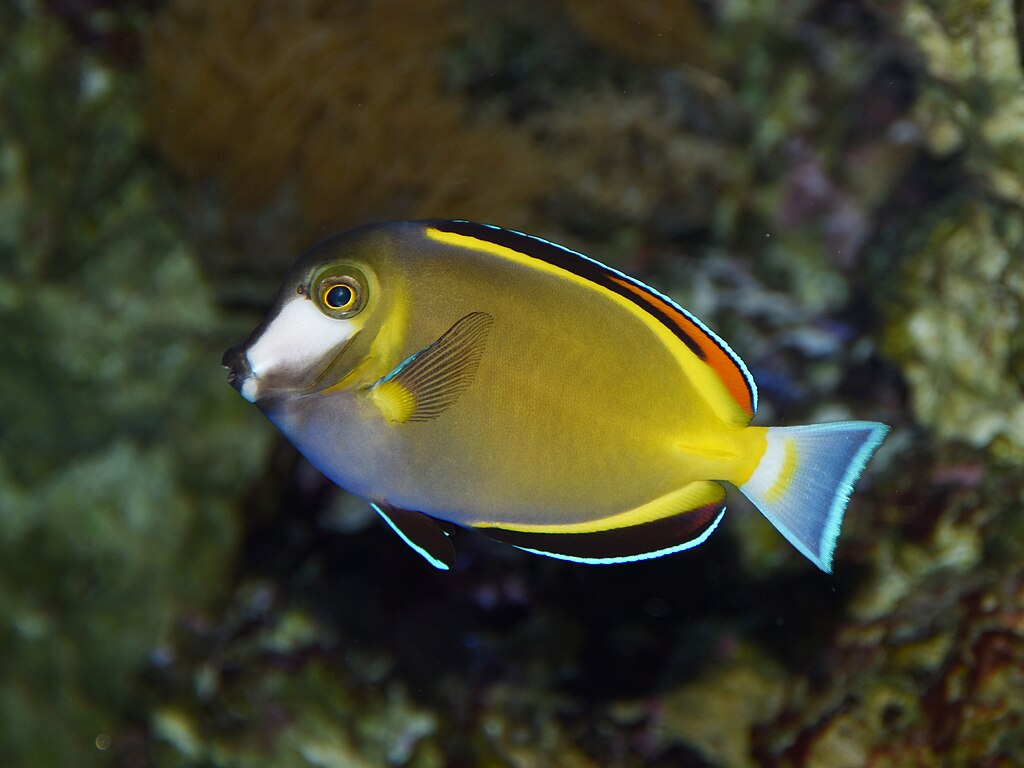
Juvenile Orange Shoulder (acanthurus Olivaceus)
Juvenile orange shoulder tangs are bright, hardy, and reef safe, but they grow large and need a spacious…
[favorite_button]
My Bookmarks:
To see full list click here
[user_favorites user_id="" include_links="true" site_id="" post_types="" include_thumbnails="true" thumbnail_size="thumbnail" include_excerpt="false"]