
Hector Yellowstripe Goby (Koumansetta hectori) – A Helpful Little Grazer
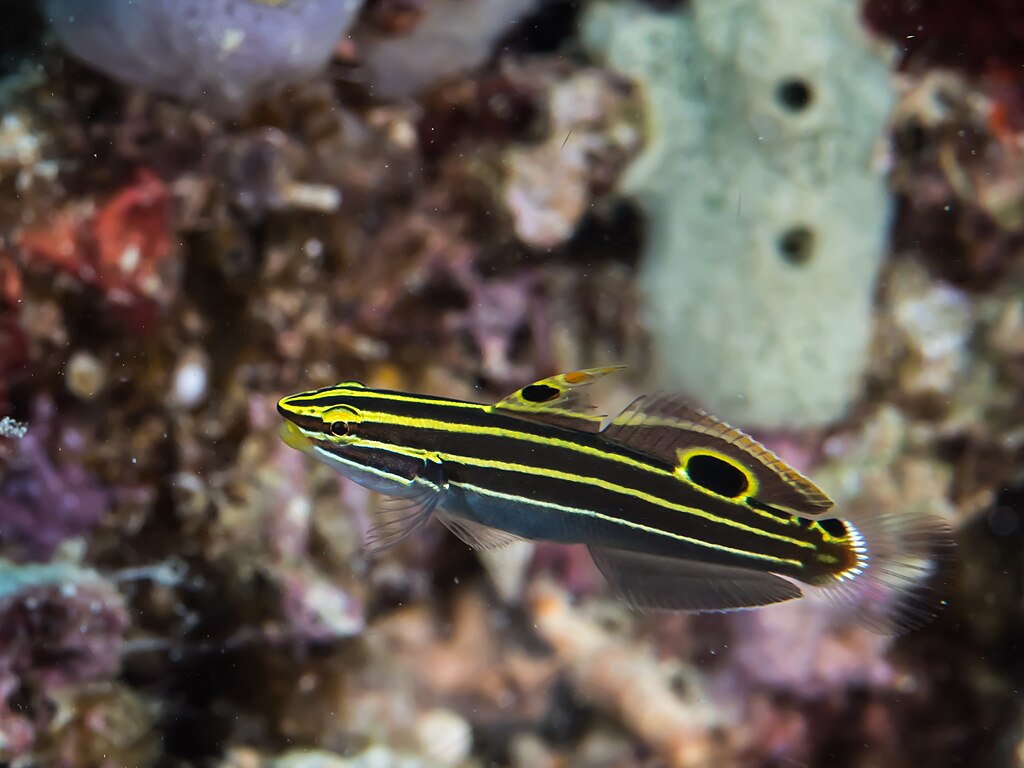
The Hector Yellowstripe Goby, Koumansetta hectori, is a peaceful, hardworking nano fish that brings constant motion and algae control to a reef tank. With its bold yellow stripes and dark body, this goby stands out visually while staying small enough for many compact systems. If you’re looking for a useful, personality-filled addition to your community reef, Hector’s goby is a fantastic candidate.
Natural Behavior & Tank Requirements
In the wild, Hector Yellowstripe Gobies are found hovering close to the substrate, grazing on filamentous algae and picking at tiny crustaceans. In the aquarium, they keep this same routine, constantly exploring rockwork and sand.
For long-term success, aim for:
- Tank size: Minimum 20–30 gallons, with plenty of live rock and open sand patches.
- Water parameters: 1.024–1.026 specific gravity, 76–80°F, pH 8.1–8.4, stable alkalinity and low nutrients.
- Environment: Rockwork with caves, overhangs, and crevices; moderate flow and strong, stable filtration.
They are generally reef-safe, leaving corals alone while picking at algae and biofilm. If you’re planning a mixed reef, you may want to review our guide on clean-up crew options to pair this goby with compatible invertebrates.
Feeding & Compatibility
Although Hector Yellowstripe Gobies are often sold as algae grazers, they should never be expected to live on algae alone. A varied diet is key to keeping them active and well-conditioned.
Diet Tips
- Offer finely chopped frozen foods (mysis, enriched brine, small marine blends) once or twice daily.
- Use high-quality marine pellets or flakes sized for small mouths.
- Encourage natural grazing with mature live rock and controlled algae growth.
- Target feed if tankmates are aggressive eaters, ensuring the goby gets its share.
Hobbyist tip: Introduce this goby into a well-established system with plenty of microfauna. Newly set up tanks often lack the natural film and pods that help support its grazing behavior.
Hector Yellowstripe Gobies are peaceful and do well with other small, non-aggressive fish such as clownfish, firefish, and small wrasses. Avoid large predatory species that may see them as food, and be cautious with very territorial bottom dwellers. For more stocking ideas, check out our best nano reef fish overview and build a compatible community around your goby.
Acclimation, Health, and Long-Term Care
Like many gobies, Koumansetta hectori can be sensitive to sudden parameter swings. Use a slow drip acclimation and, ideally, quarantine new arrivals to observe for parasites and ensure they are eating prepared foods.
- Cover the tank: Hector gobies can jump when startled; a tight-fitting lid is essential.
- Stable chemistry: Keep salinity and temperature stable to reduce stress and disease risk.
- Observe behavior: A healthy goby will be out and about, grazing and responding at feeding time.
If you’re new to adding small, utility fish to your reef, our saltwater fish care tips guide can help you dial in maintenance routines, from water changes to monitoring ammonia and nitrate.
With proper care, the Hector Yellowstripe Goby becomes a long-lived, beneficial resident that helps keep nuisance algae in check while adding constant interest to the lower levels of your tank. Combine good nutrition, a mature environment, and peaceful tankmates, and this understated little goby will quickly become one of your favorite reef companions.
Sources
- Michael, S. W. (2001). Reef Fishes Volume 1. Microcosm.
- Fenner, R. (2008). The Conscientious Marine Aquarist. TFH Publications.
- FishBase: Koumansetta hectori species summary (accessed 2024).
 By
By
_(36717202045).jpg)