Starting a new reef or fish-only system is exciting, but before adding that first clownfish, your saltwater tank needs to complete a crucial step: the nitrogen cycle. A properly cycled aquarium protects your fish and corals from toxic waste and sets the stage for long-term success. This saltwater tank cycling guide walks you through what the cycle is, how to do it, and how to know when your tank is truly ready.
What Is the Nitrogen Cycle in a Saltwater Tank?
The nitrogen cycle is the process where beneficial bacteria convert toxic waste into less harmful compounds. In a new tank, these bacteria don’t exist in large enough numbers yet, so they must be grown before livestock is added.
The three main stages
- Ammonia (NH3) spike: Fish waste, uneaten food, or pure ammonia break down into ammonia, which is highly toxic.
- Nitrite (NO2) spike: One group of bacteria converts ammonia into nitrite, which is also harmful.
- Nitrate (NO3) rise: A second group of bacteria converts nitrite into nitrate, which is far less toxic and can be removed with water changes and export methods.
The cycle is considered complete when ammonia and nitrite both consistently test at 0 ppm, and nitrate is present.
If you’re still planning your setup, our Beginner Saltwater Tank Setup guide is a great companion read to this cycling walkthrough.
Step-by-Step Saltwater Tank Cycling Guide
1. Prepare the system
- Fill the tank with mixed, heated saltwater (1.024–1.026 specific gravity).
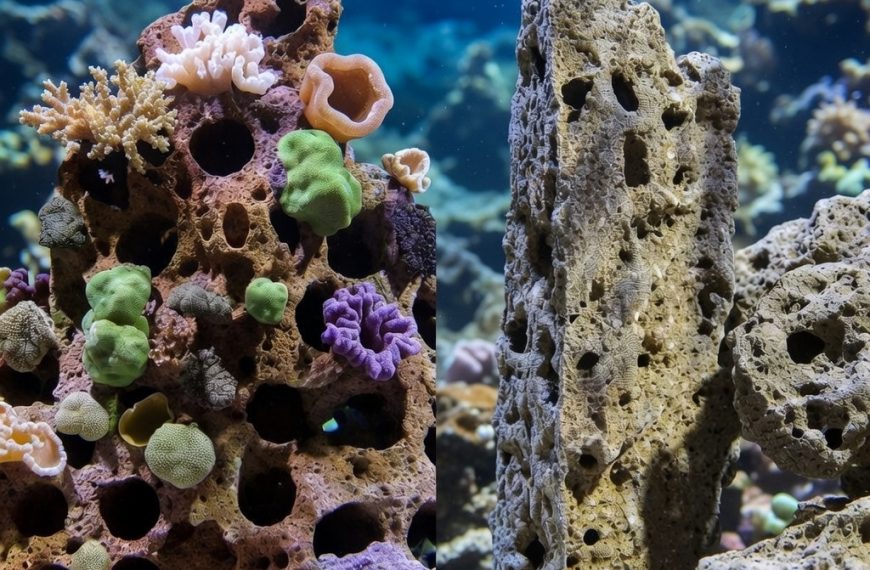
- Add live rock or dry rock and sand for surface area.
- Turn on filtration, heater, and powerheads; let everything run 24/7.
2. Add an ammonia source
- Pure ammonia method: Use unscented household ammonia; dose to about 2 ppm.
- Fish food method: Add a small pinch of food daily and let it decompose.
- Optionally add a bottled bacteria starter to speed things up.
Test ammonia every few days. You should see it rise first, then begin to drop as nitrite appears.
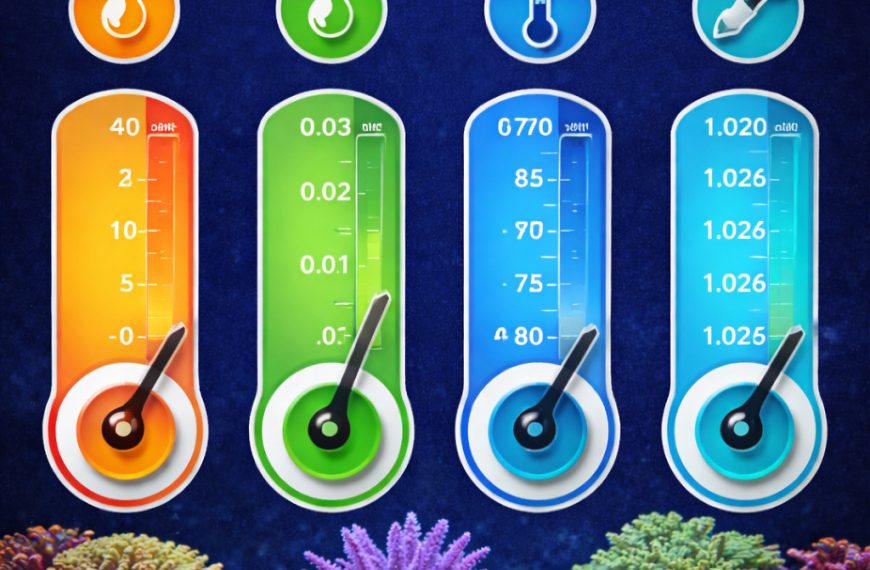
3. Monitor the cycle with test kits
- Use reliable test kits for ammonia, nitrite, and nitrate.
- Record results in a notebook or app to spot trends.
- Expect the full process to take 3–6 weeks, sometimes longer for larger systems or dry rock setups.
Once ammonia drops to 0 ppm and nitrite begins to fall while nitrate climbs, you’re in the final phase. When both ammonia and nitrite read 0 ppm for at least a week after dosing a small amount of ammonia or food, the tank is cycled.
4. First water change and cleanup crew
- Perform a 20–30% water change to reduce nitrate.
- Check temperature, salinity, and pH stability.
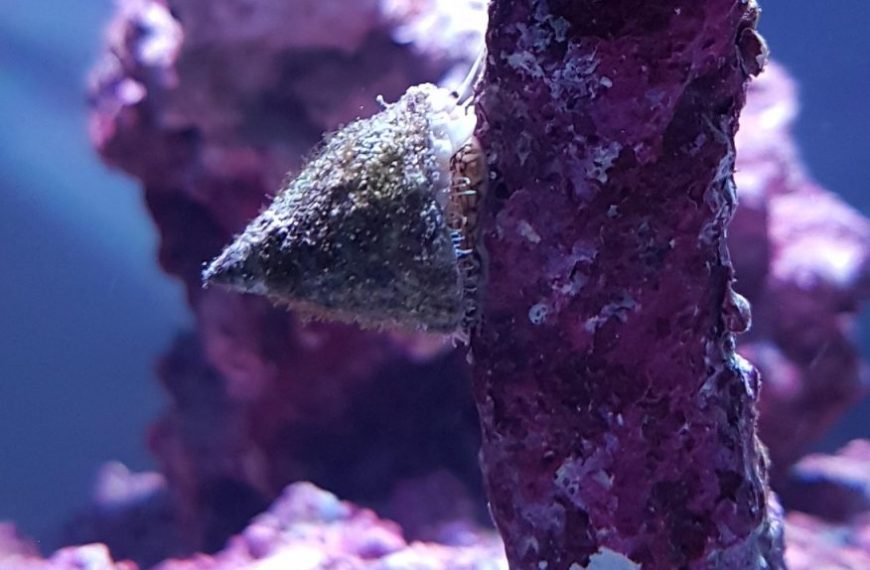
- Add a small cleanup crew (snails, hermits, etc.) as your first inhabitants.
For ideas on what to add next, see our Best Beginner Saltwater Fish guide and build your stocking list slowly.
Pro Tips for a Smooth Cycle
- Be patient: Rushing livestock into an uncycled tank is the fastest way to lose fish.
- Avoid over-testing panic: Small day-to-day fluctuations are normal; focus on overall trends.
- Don’t over-clean: Rinsing rock or sand in tap water can kill beneficial bacteria.
- Stock slowly: Add only 1–2 fish at a time, then wait a week or two while bacteria populations adjust.
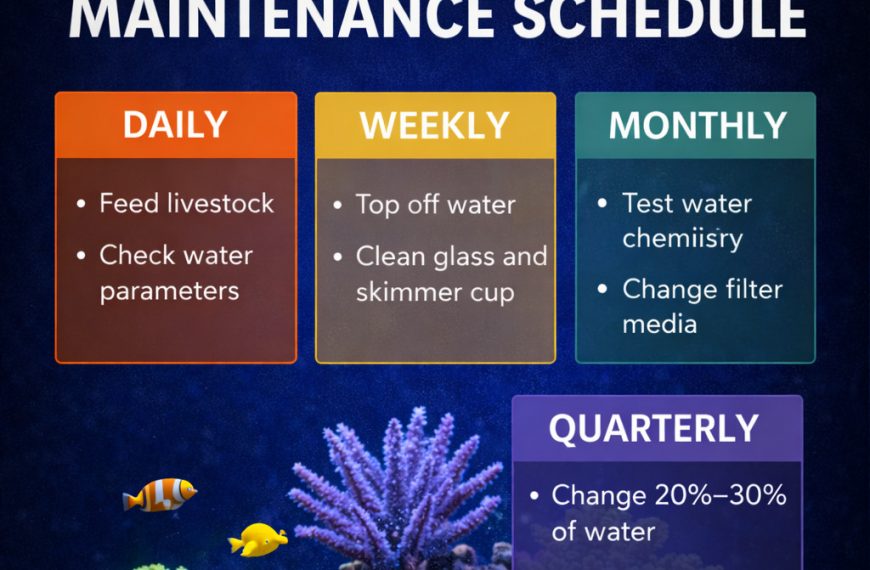
Once your tank is cycled, your focus shifts to long-term stability: regular water changes, consistent maintenance, and thoughtful stocking. With a solid nitrogen cycle established, you’re well on your way to a thriving reef. When you’re ready to plan your aquascape and coral layout, check out our Reef Aquascaping Ideas article for inspiration.
Sources
- Spotte, S. Captive Seawater Fishes: Science and Technology. Wiley-Interscience.
- Delbeek, J. C., & Sprung, J. The Reef Aquarium, Vol. 1. Ricordea Publishing.
- Fenner, R. The Conscientious Marine Aquarist. TFH Publications.
 By
By