Reef aquascaping is where creativity meets coral health. The way you stack rock, shape negative space, and plan coral placement will impact flow, lighting, maintenance, and how natural your reef looks. Whether you’re scaping a nano or a large display, a thoughtful layout makes the tank easier to care for and more enjoyable to watch.
Popular Reef Aquascaping Styles to Try
1. Island and Lagoon Layouts
Island aquascapes use one or more rock mounds surrounded by open sand. They’re ideal if you love fish with active swimming patterns and want a clean, minimalist look.
- Single island: A central rock structure with coral placed from bottom to top for a classic focal point.
- Double island: Two separate rock piles of different sizes to create depth and a natural “reef channel.”
- Lagoon style: Low rockwork with lots of sand and scattered rubble for LPS and soft corals.
Island scapes work especially well in shallow tanks and rimless displays. Make sure you leave enough room around each structure for a magnetic cleaner and a turkey baster to blow detritus away.
2. Arch, Shelf, and Overhang Designs
Arches and shelves create dramatic lines and plenty of coral real estate. They’re perfect for SPS-dominated systems that need strong flow and light.
- Arches: Use epoxy and super glue gel to lock pieces together. Keep the base wide and stable.
- Shelves: Flat plates or cut rock pieces provide ideal platforms for colonies with spreading growth.
- Overhangs: Offer shaded pockets for low-light corals, sponges, and cryptic life.
When building arches, test stability outside the tank first. A gentle shake should not shift any rock. Consider using acrylic rods or reef-safe cement if you plan a tall, open structure.
3. Negative Space Aquascaping (NSA)
Negative Space Aquascaping focuses on open water and dramatic rock shapes instead of a solid wall. The result is a modern, airy look with excellent flow.
- Use branching or lightweight rock to build tall, narrow towers.
- Angle structures so they point slightly toward the front or back glass to create depth.
- Plan swim-throughs and caves for shy fish to retreat.
NSA works best when you resist the urge to fill every gap. Those empty areas are what make coral colonies stand out as they grow.
Practical Tips for a Stable, Coral-Ready Aquascape
Before you start stacking, sketch your idea and think about long-term coral growth. What looks open today may be packed with colonies in a year.
- Prioritize stability: Place the largest, flattest pieces on the bottom and interlock smaller pieces on top. Avoid precarious balancing acts.
- Plan for flow: Leave channels for powerhead streams to move behind and through the rockwork.
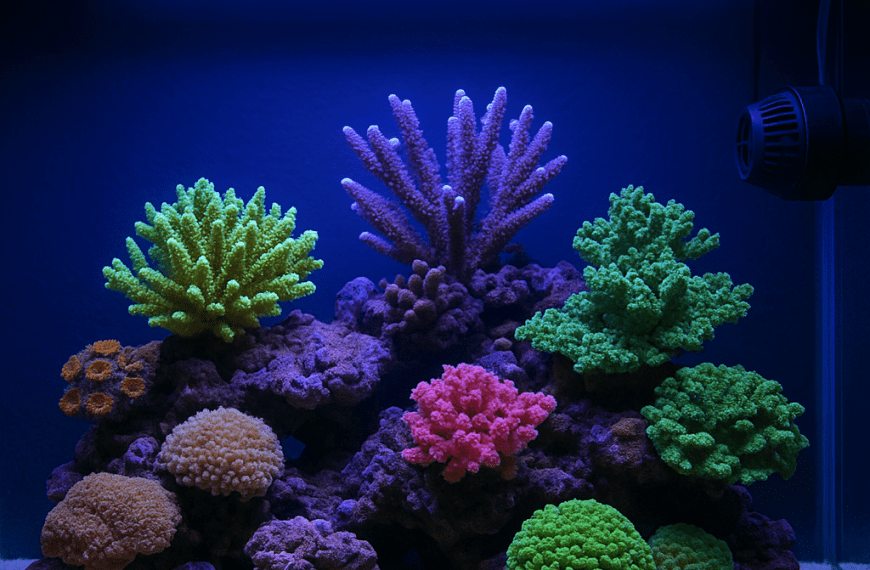
- Think in zones: Reserve high, bright areas for SPS, mid-level shelves for LPS, and shaded zones for low-light species.
- Leave maintenance access: Ensure your hand and scraper can reach every pane of glass.
Tip: Aquascape with the tank only one-third full of water. It’s easier to stack, glue, and adjust rock while still being able to see the overall shape.
For more planning help, check out our guide to beginner reef tank setup and our breakdown of reef tank flow and circulation. If you’re choosing rock from scratch, our overview of live rock vs. dry rock can help you pick the right base for your layout.
In the end, the best reef aquascape is one that balances beauty, coral health, and practicality. Take your time, build for stability, and leave room for your corals to grow into the shapes you’ve imagined. With a thoughtful design, your rockwork will evolve into a living reef centerpiece that looks better every month.
Sources
- Tullock, J. H. Natural Reef Aquariums. Microcosm Ltd.
- Borneman, E. Aquarium Corals. TFH Publications.
- Sprung, J. The Reef Aquarium series. Ricordea Publishing.
 By
By