Setting Up Your First Saltwater Tank
Starting your first saltwater aquarium is exciting, but it can feel overwhelming with all the new terms, equipment, and choices. The good news: if you plan carefully and move slowly, you can build a stable, beautiful reef or fish-only tank that’s enjoyable instead of stressful. This guide walks you through the key steps to setting up your first saltwater tank the right way.
Planning Your First Saltwater Aquarium
Before you buy equipment, decide what kind of tank you want. The type of livestock you plan to keep will shape almost every decision you make.
Choose Your Tank Type and Size
- Fish-only (FO): Just saltwater fish and rock décor. Easiest to start with and more forgiving.
- Fish-only with live rock (FOWLR): Fish plus live rock that provides natural filtration and a more “reef-like” look.
- Reef tank: Fish, corals, and invertebrates. Most rewarding, but also the most demanding in terms of lighting, stability, and water quality.
For beginners, a tank in the 30–55 gallon range is ideal. It’s large enough to be stable, but small enough to maintain. Nano tanks are tempting, but they swing faster in temperature and water chemistry.
For a deeper dive into choosing your system, see our guide on best beginner saltwater aquarium setups.
Essential Equipment Checklist
At minimum, you’ll need:
- Glass or acrylic aquarium (with stand)
- Quality heater and reliable thermometer
- Powerheads or wavemakers for water movement
- Salt mix and a refractometer or hydrometer
- Filter (hang-on-back, canister, or sump system)
- RO/DI or other purified water source if possible
- Test kits for ammonia, nitrite, nitrate, and pH
If you plan on keeping corals, add a reef-capable light and consider a protein skimmer. You can compare different filtration options in our article on saltwater aquarium filtration basics.
Step-by-Step: From Empty Tank to Saltwater System
1. Position and Prepare the Tank
- Place the tank on a level, sturdy stand away from direct sunlight and drafts.
- Check that there’s easy access to power outlets and room for maintenance.
- Rinse the tank and equipment with freshwater only (no soap).
2. Add Substrate and Rock
Rinse your sand or crushed coral until the water runs mostly clear, then add 1–2 inches to the bottom. Arrange dry rock or live rock to create caves and swim-throughs while keeping rock off the glass to avoid pressure points.
Tip: Build open, stable structures. Good flow around the rock helps prevent detritus buildup and dead spots.
3. Mix and Add Saltwater
- Fill a container with purified water, add salt mix slowly, and stir with a powerhead.
- Aim for a specific gravity of 1.024–1.026 at 77–78°F (25–26°C).
- Once fully dissolved and clear, add the saltwater to the tank.
Turn on your heater, filter, and powerheads. Let the system run for 24 hours to stabilize temperature and salinity.
4. Cycle the Aquarium
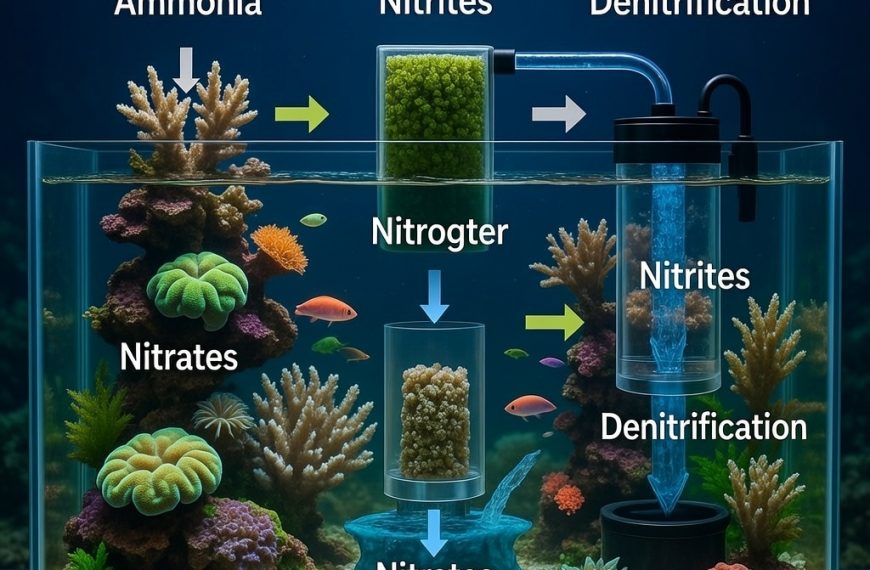
Cycling establishes beneficial bacteria that convert toxic ammonia into less harmful nitrate. This step is critical—rushing it is one of the most common beginner mistakes.
- Use a bottled bacteria product or a small amount of fish food/ammonia to start the cycle.
- Test every few days for ammonia, nitrite, and nitrate.
- The tank is ready for its first fish when ammonia and nitrite read zero and nitrate is present.
For more on this process, read our detailed guide to the nitrogen cycle in saltwater aquariums.
Adding Livestock and Long-Term Success
Stock Slowly and Quarantine When Possible
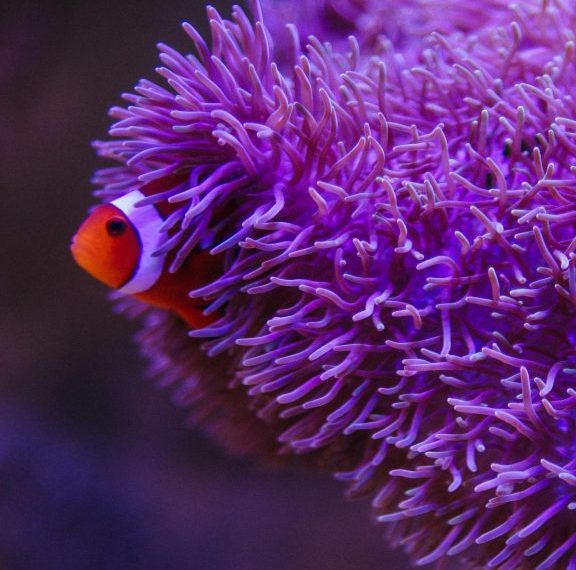
Once the tank is cycled, add hardy, beginner-friendly fish first, such as clownfish or gobies. Introduce only one or two fish at a time, waiting a couple of weeks between additions so your biofilter can adjust. If you can, quarantine new fish in a separate tank to avoid introducing parasites and diseases.
Basic Maintenance Routine
- Weekly: Test salinity, temperature, and nitrates; clean glass; empty skimmer cup (if used).
- Every 1–2 weeks: Perform a 10–20% water change with well-mixed, heated saltwater.
- Monthly: Rinse mechanical filter media and inspect pumps and heaters.
Tip: Keep a simple log of test results and livestock additions. Patterns in your notes often reveal small issues before they become big problems.
Setting up your first saltwater tank is less about fancy gear and more about patience and consistency. Plan your system, cycle it fully, add livestock slowly, and stick to a basic maintenance routine. If you do, you’ll have a stable, thriving saltwater aquarium that rewards you with years of enjoyment.
Sources
- Fenner, R. M. (2001). The Conscientious Marine Aquarist. TFH Publications.
- Paletta, M. (2006). The New Marine Aquarium. Microcosm Ltd.
- Sprung, J., & Delbeek, J. C. (1994–2005). The Reef Aquarium Vols. 1–3. Ricordea Publishing.
 By
By