Planning your first reef tank stock list is exciting—and a little overwhelming. The key is choosing hardy, peaceful animals that tolerate beginner mistakes while still looking amazing. This beginner reef tank stock list is aimed at tanks in the 20–40 gallon range, but the principles apply to most small reef setups.
Start with Your Clean-Up Crew
A strong clean-up crew helps keep algae and leftover food under control, which makes your first reef far easier to manage. Add these slowly over the first few weeks as your tank cycles and matures.
Beginner-Friendly Snails & Crabs
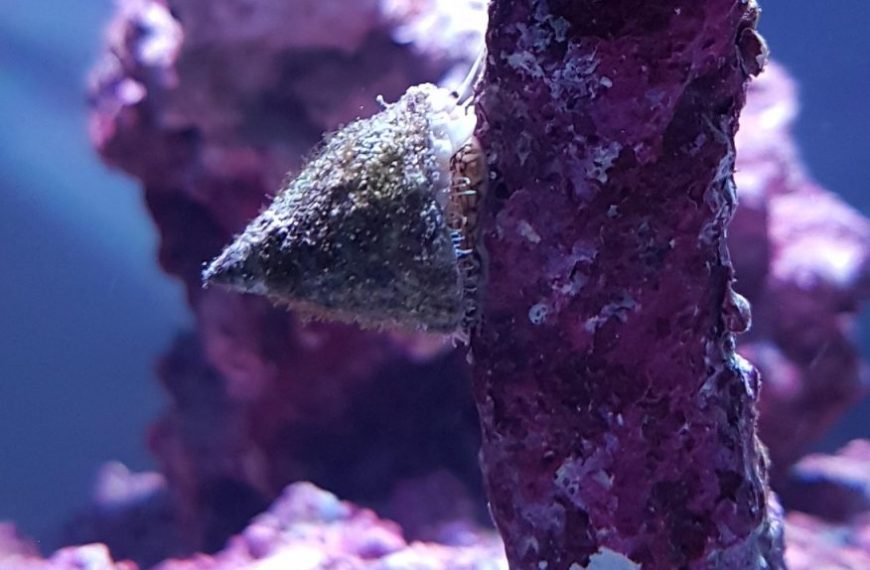
- Trochus snails – Excellent algae grazers that can flip themselves over.
- Nassarius snails – Great for stirring the sand and eating leftover food.
- Cerith snails – Small, active cleaners that work in both rockwork and sand.
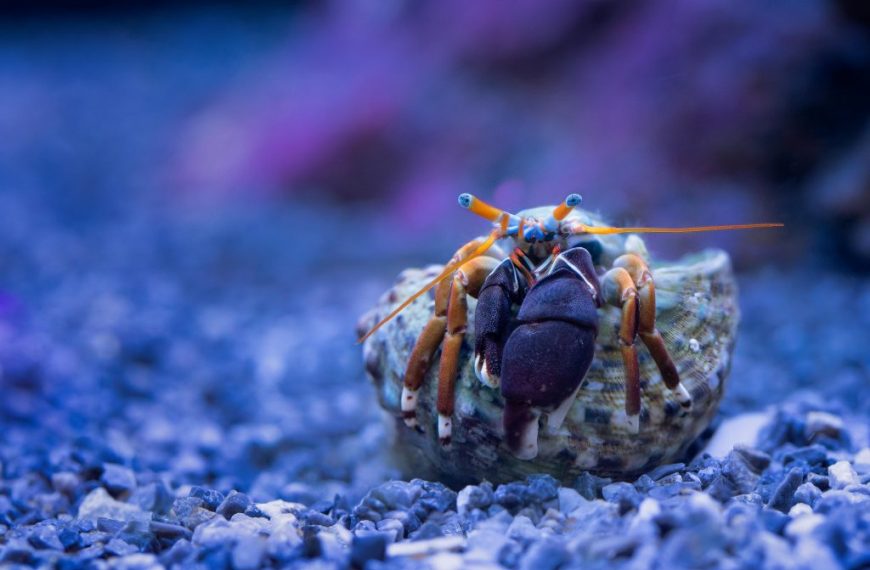
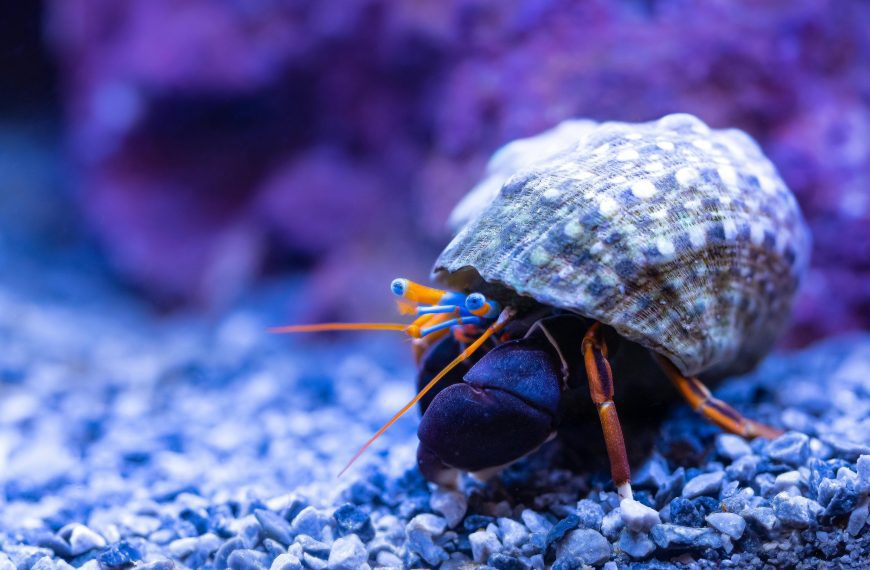
- Scarlet hermit crabs – Generally peaceful if provided with extra shells.
For a 30-gallon reef, many hobbyists start with 6–10 mixed snails and 2–3 small hermits. Adjust based on how much algae and detritus you actually see—too many cleaners can starve.
New to cycling and early stocking? Read our full guide on how to cycle a saltwater tank before adding any livestock.
Peaceful Beginner Fish for Small Reefs
Fish are the stars of your reef, but it’s easy to overstock or choose aggressive species. Focus on peaceful, hardy fish that stay small and accept prepared foods.
Core Beginner Fish Choices
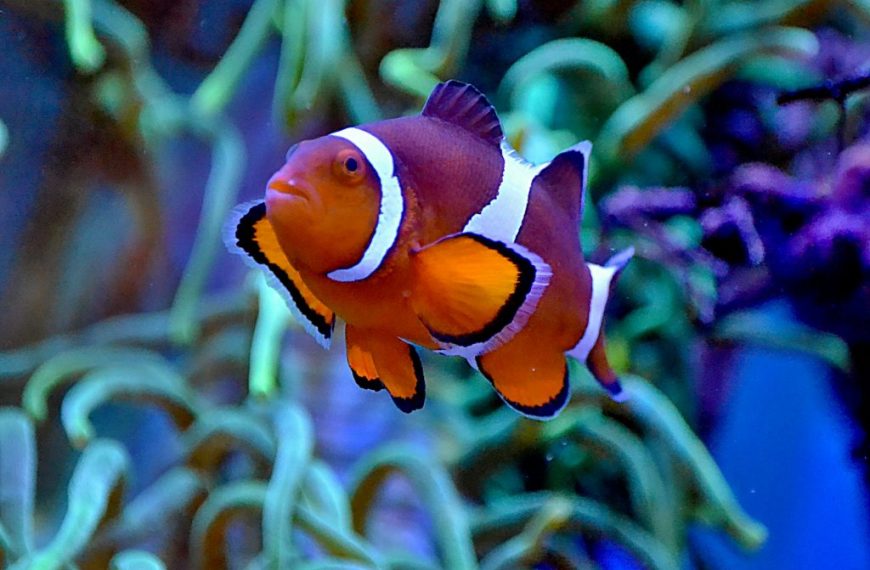
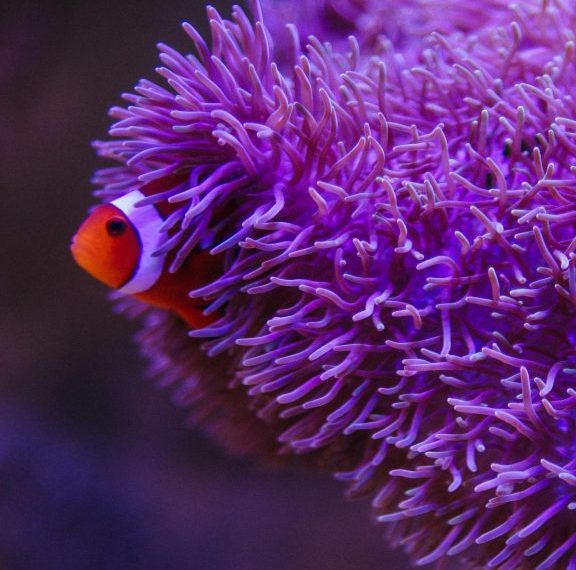
- Ocellaris or Percula clownfish (1–2) – Colorful, hardy, and full of personality. A bonded pair works well in tanks 20 gallons and up.
- Royal gramma (1) – Bright purple and yellow, shy but peaceful with other small fish.
- Tailspot blenny (1) – Great algae grazer with loads of character; perfect for smaller tanks.
- Firefish goby (1) – Peaceful, active swimmer; be sure to use a tight-fitting lid.
Example 30-gallon beginner stock list:
2 clownfish, 1 royal gramma, 1 tailspot blenny, plus a modest clean-up crew.
Introduce new fish one at a time, waiting 1–2 weeks between additions so your biofilter can adjust. Quarantining new arrivals is strongly recommended to avoid disease outbreaks.
Easy Corals to Start Your Reef
Once your tank is stable (usually 2–3 months), you can begin adding hardy, fast-growing corals. These tolerate small swings in water parameters and moderate lighting.
Soft Corals & LPS for Beginners
- Zoanthids & Palythoa – Colorful mats that spread over rockwork. Handle carefully and wash hands after.
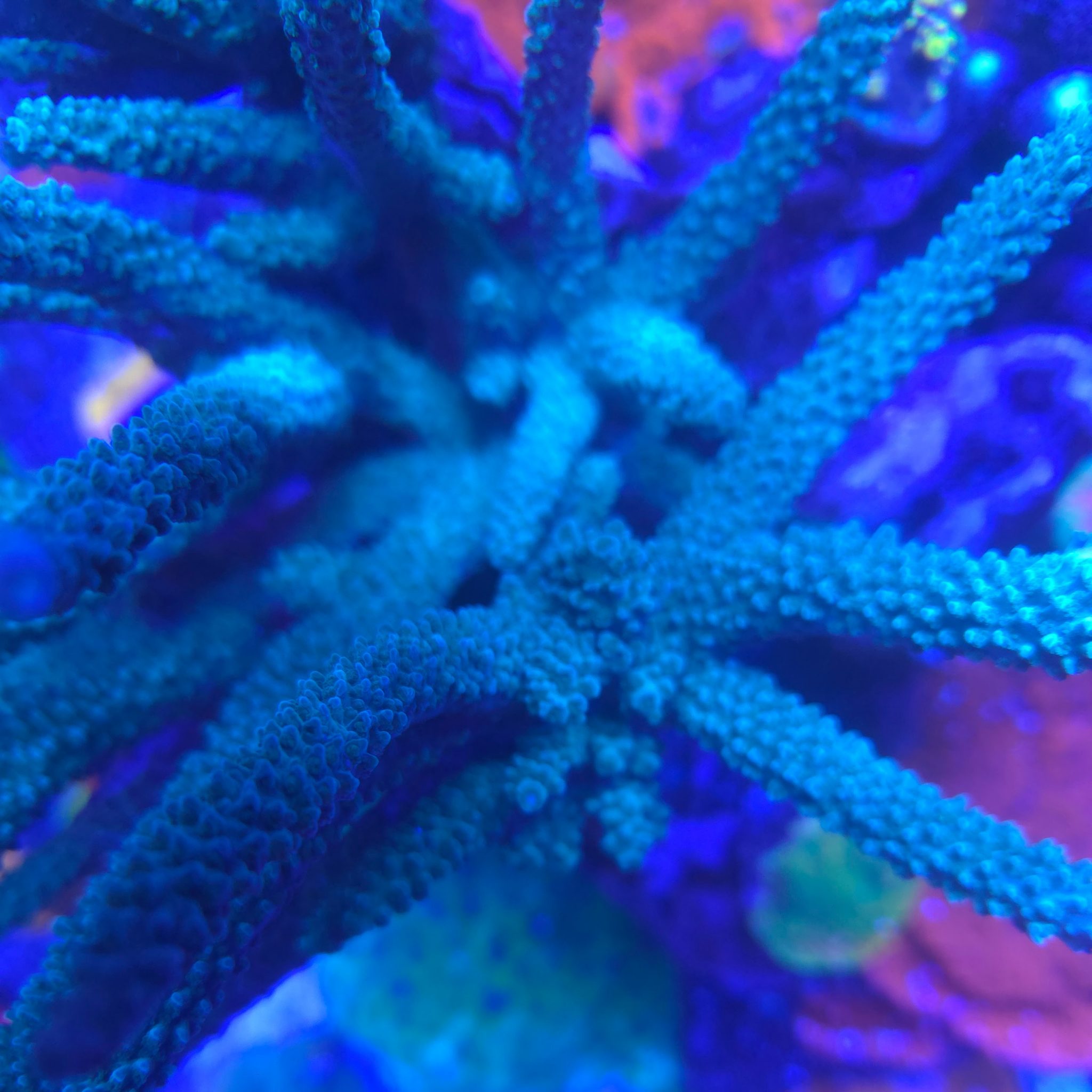
- Green star polyps – Waving, grass-like coral that’s very forgiving. Place on an isolated rock to keep it from taking over.
- Leather corals (toadstool, kenya tree) – Tough, fast-growing, and great for movement.
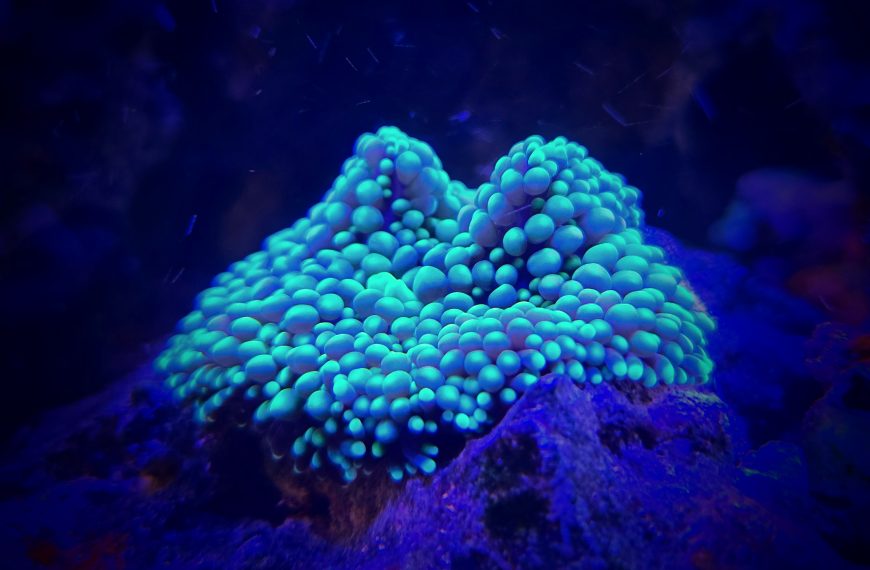
- Duncan coral – A hardy LPS with long, flowing tentacles; accepts meaty foods and does well in moderate light and flow.
For detailed lighting and placement tips, see our article on easy beginner corals. Always start corals low in the tank and move them up gradually as you see how they respond.
Practical Stocking Tips
- Plan your stocking levels before buying livestock; understocking is safer than overstocking.
- Feed lightly—most beginners overfeed, which leads to algae and poor water quality.
- Test weekly for ammonia, nitrite, nitrate, and salinity, especially after each new addition.
- Keep a simple log of what you add and how the tank responds.
With a balanced clean-up crew, a small group of peaceful fish, and a handful of hardy corals, your beginner reef tank will be stable, colorful, and rewarding. Focus on patience and consistency, and you’ll build a thriving system that can grow with you as your skills advance.
Sources
- Michael S. Paletta, The New Marine Aquarium, Microcosm, 2001.
- Julian Sprung, Corals: A Quick Reference Guide, Ricordea Publishing, 2001.
- Fenner, R., WetWebMedia Marine Aquarium FAQs (accessed via archived hobbyist reference materials).
 By
By