Finding the right stocking level for your reef tank is one of the biggest keys to long-term success. Too few fish and your system can feel lifeless; too many and you invite algae blooms, aggression, and coral decline. In this guide, we’ll walk through how many fish your reef can realistically support, how to plan your cleanup crew, and what signs tell you it’s time to stop adding livestock.
How Many Fish Can a Reef Tank Hold?
The old “one inch of fish per gallon” rule is no longer effective for modern reef systems. Reef tanks vary widely in filtration, rockwork, and maintenance routines, so stocking needs a more thoughtful approach.
Key Factors That Control Stocking Level
- Tank volume and footprint: A 75-gallon tank with a long footprint can handle more active swimmers than a tall, narrow tank of the same volume.
- Filtration and export: Strong protein skimming, a refugium, and regular water changes allow for a heavier bioload than a basic hang-on-back filter.
- Rockwork and territory: More rock (with plenty of caves and arches) means more hiding spots and less aggression.
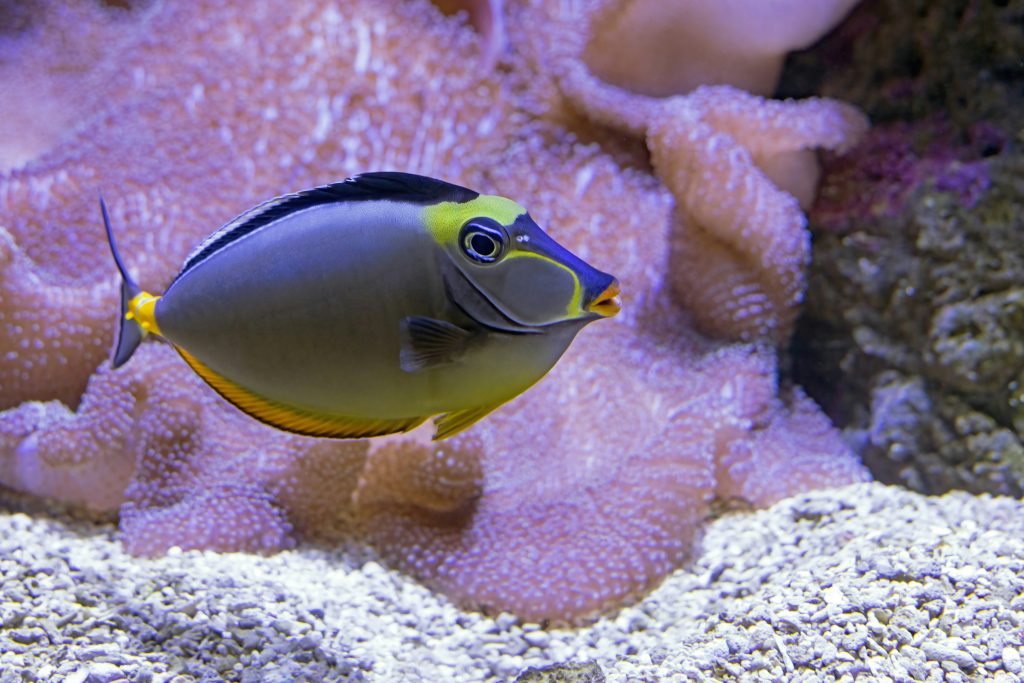
- Fish size and behavior: A single tang can contribute more waste than several small gobies and blennies combined.
As a conservative starting point for a young reef tank:
- Lightly stocked: ~1 small fish (up to 3″) per 8–10 gallons
- Moderate: ~1 small fish per 5–7 gallons with good skimming and consistent maintenance
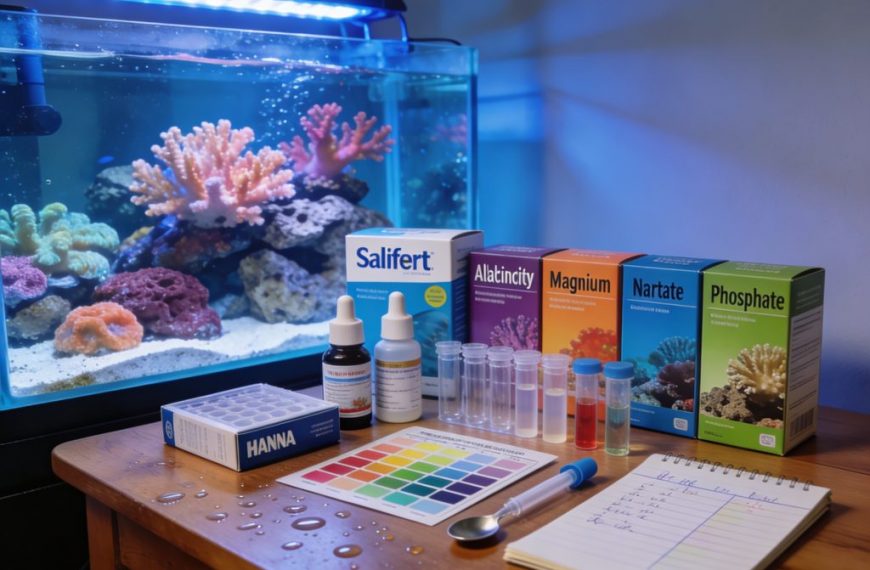
Increase slowly and test often. If you’re unsure how much your filtration can handle, review our water quality basics in Reef Tank Parameters: The Essential Guide before adding more fish.
Planning a Balanced Reef Community
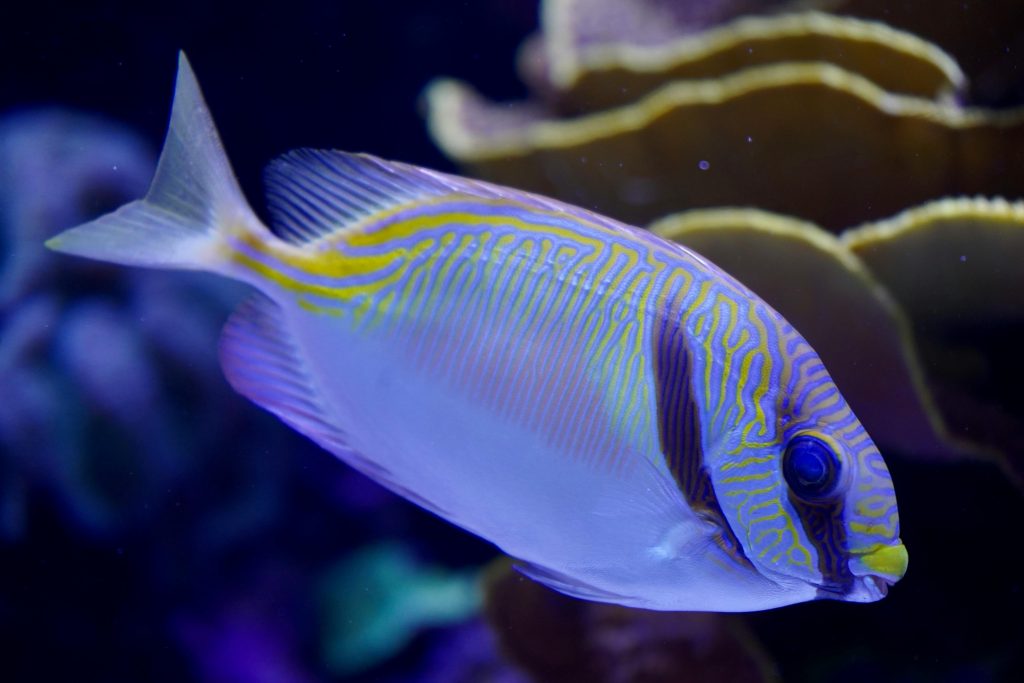
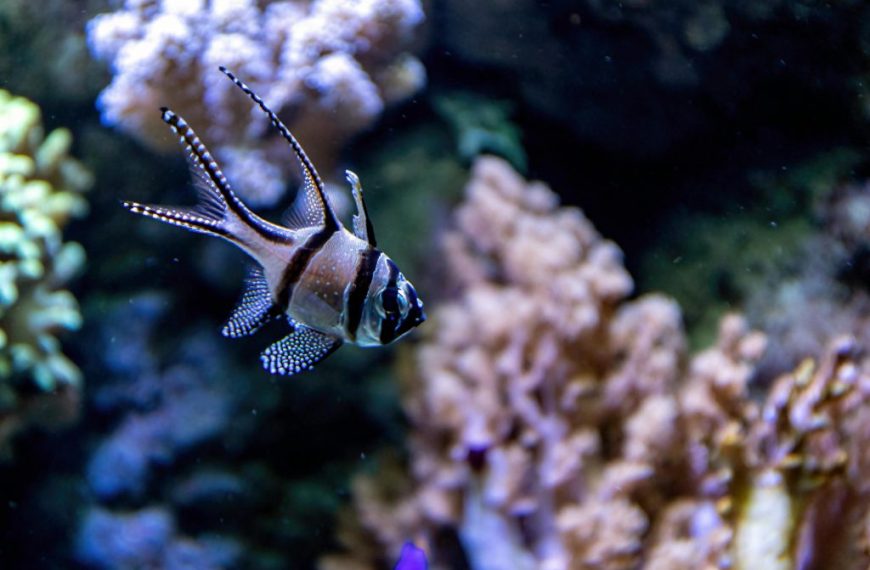
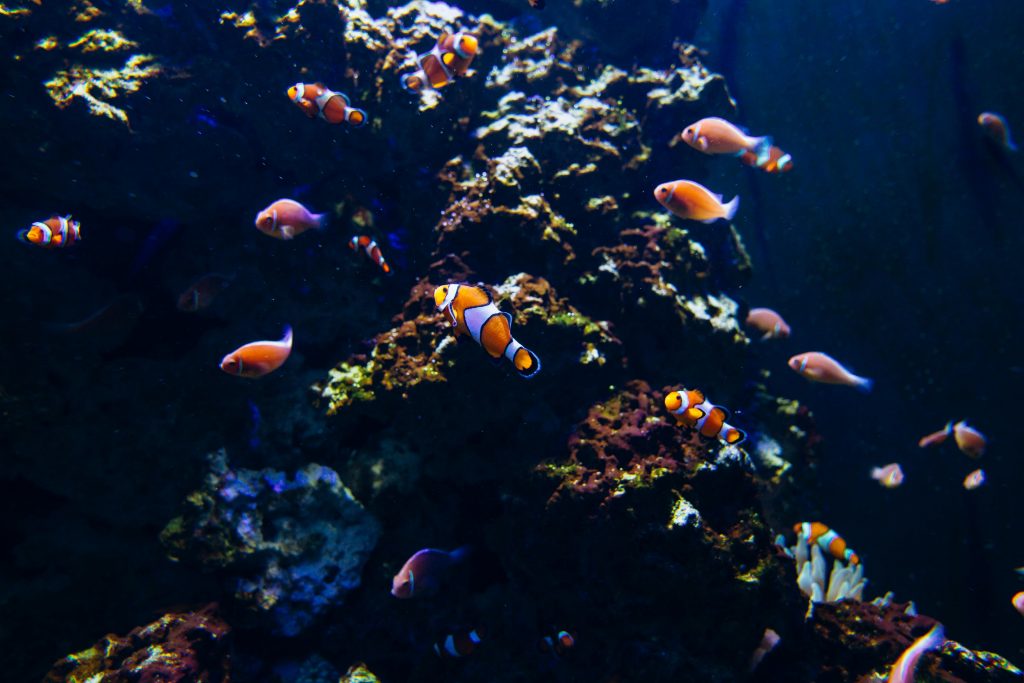
Instead of counting fish alone, think in terms of roles and compatibility. A balanced reef usually includes peaceful swimmers, bottom dwellers, and utility fish that help with algae or pests.
Smart Stocking Order
- Add the most peaceful and shy species first (gobies, firefish, small wrasses).
- Introduce semi-aggressive fish later (dwarf angels, some wrasses).
- Add territorial species last (certain damsels, dottybacks, tangs).
Give each new addition at least 2–4 weeks before adding the next. This allows your biological filtration to catch up and lets you watch for aggression or disease. For more details on choosing compatible species, see our guide Best Fish for Reef Tanks.
Cleanup Crew & Invertebrates
Invertebrates add bioload too, but far less than fish. Still, it’s easy to overdo it on snails and hermits.
- Start with 1–2 snails per 5 gallons and adjust based on algae growth.
- Limit hermit crabs and provide spare shells to reduce snail casualties.
- Add shrimp and other inverts slowly; many are sensitive to swings in salinity and nutrients.
Tip: If your cleanup crew constantly runs out of food, you may have too many inverts or your tank is simply very clean. It’s okay to have fewer if the glass and rocks stay tidy.
Signs Your Reef Tank Is Over-Stocked
Numbers alone don’t tell the full story. Watch your tank’s behavior and water quality for early warnings:
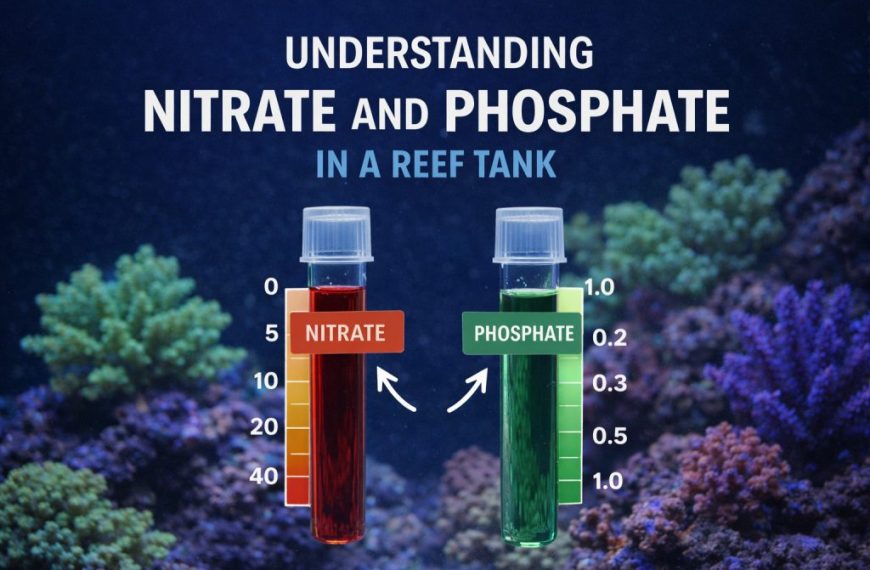
- Rising nitrate and phosphate despite normal maintenance
- Persistent film algae, cyanobacteria, or cloudy water
- Fish gasping at the surface or hiding constantly
- Escalating aggression and torn fins
If you see these, increase water changes, improve aeration and filtration, and reconsider your stocking list. Sometimes the best move for the system is rehoming a problem fish. For help dialing in your maintenance routine, check out our article Reef Tank Maintenance Schedule.
Thoughtful stocking isn’t about cramming in as many fish as possible; it’s about building a stable, peaceful ecosystem that thrives for years. Add livestock slowly, test regularly, and let your reef’s health—not just tank size—be your guide.
Sources
- Sprung, J. & Delbeek, J. C. (1994–2005). The Reef Aquarium Vol. 1–3. Ricordea Publishing.
- Borneman, E. (2001). Aquarium Corals. TFH Publications.
- Fenner, R. (2008). The Conscientious Marine Aquarist. TFH Publications.
- Holmes-Farley, R. Articles on reef chemistry and nutrients, various issues of Advanced Aquarist and Reefkeeping Magazine.
 By
By