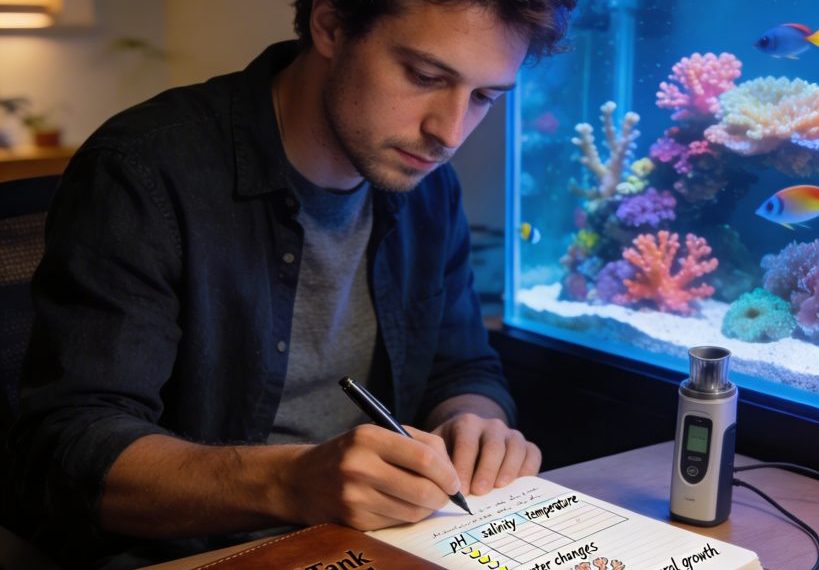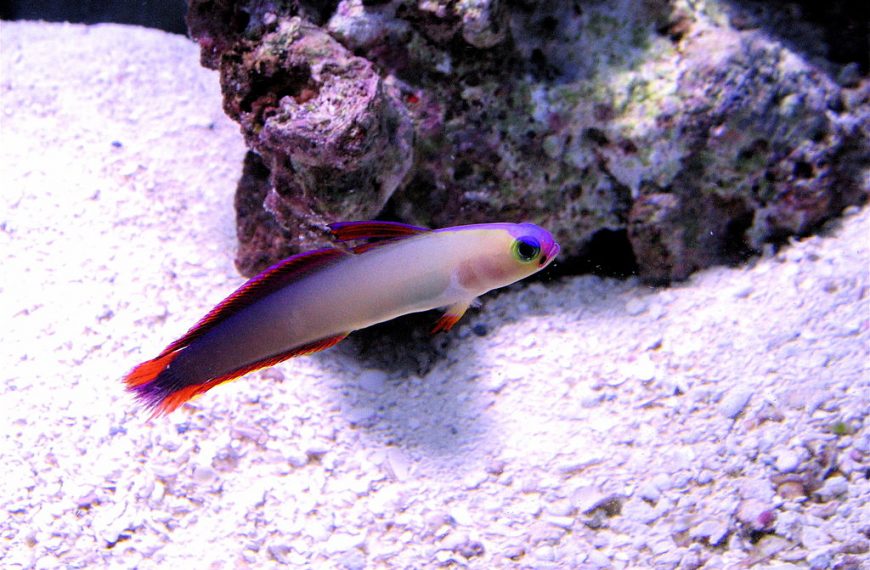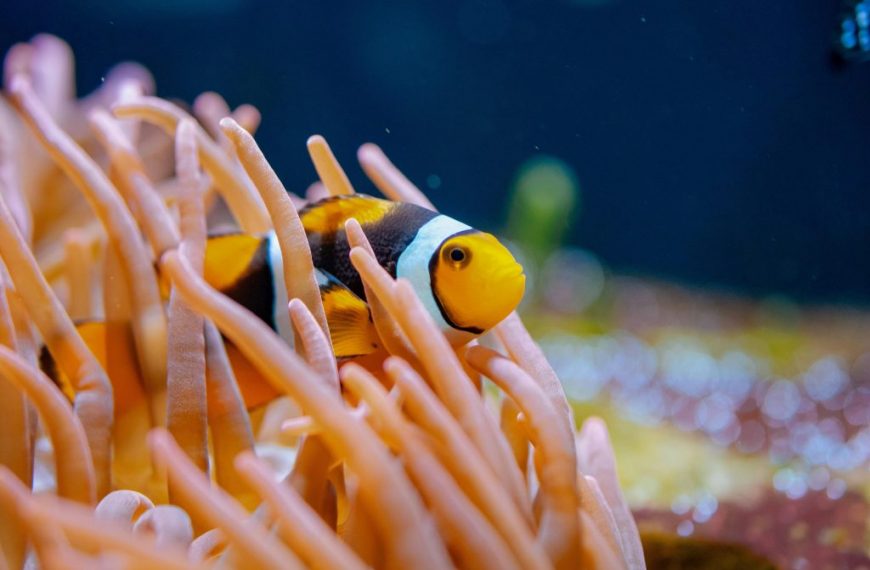
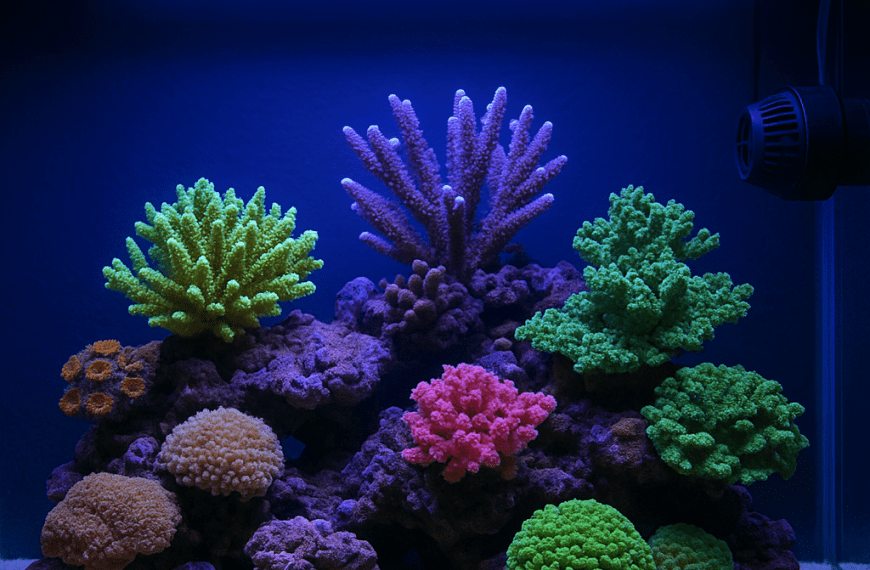
Starting a reef tank is exciting, but picking your first corals can feel overwhelming. The good news: there are many easy beginner corals that are hardy, colorful, and forgiving of small mistakes. With a bit of planning and consistent maintenance, you can enjoy a thriving reef without advanced experience.
Key Basics Before Adding Beginner Corals
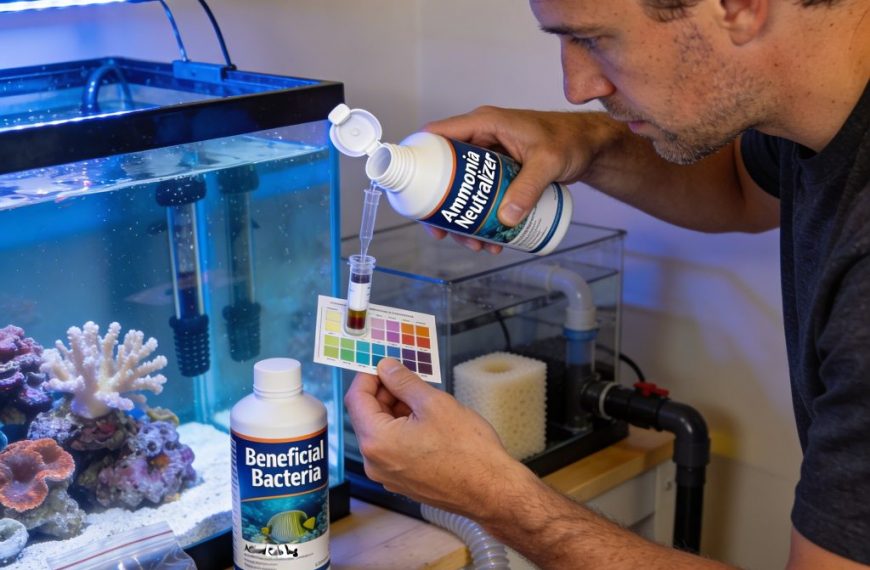
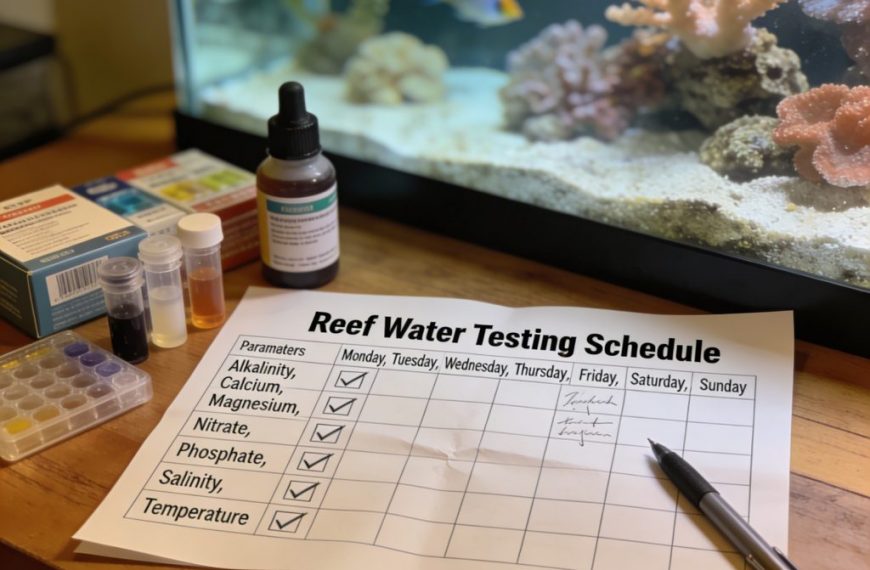
Before you shop for corals, make sure your saltwater tank has completed the nitrogen cycle and your parameters are stable. If you’re not sure where to start, check out our guide on maintaining stable water parameters in reef tanks.
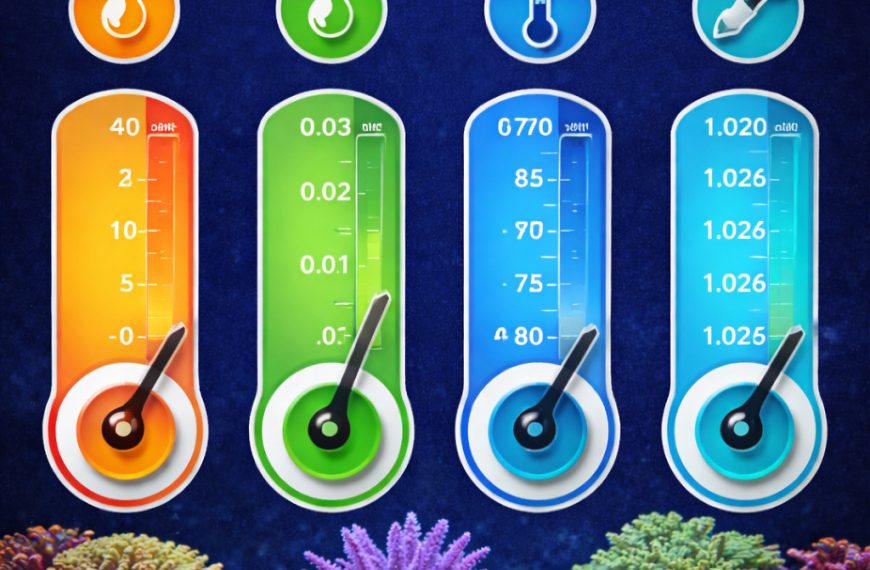
For most beginner corals, aim for:
- Temperature: 77–79°F (25–26°C)
- Salinity: 1.024–1.026 specific gravity
- Alkalinity: 8–10 dKH
- Calcium: 400–450 ppm
- Nitrate: 5–20 ppm
- Phosphate: 0.03–0.1 ppm
Tip: Stability beats perfection. Slightly elevated nutrients are usually safer for beginner corals than wild swings from constant tinkering.
Top Easy Beginner Corals for New Reefers
Soft Corals: The Most Forgiving Choices
Soft corals tolerate a wide range of conditions and don’t require intense lighting or heavy dosing, making them ideal for a first reef.
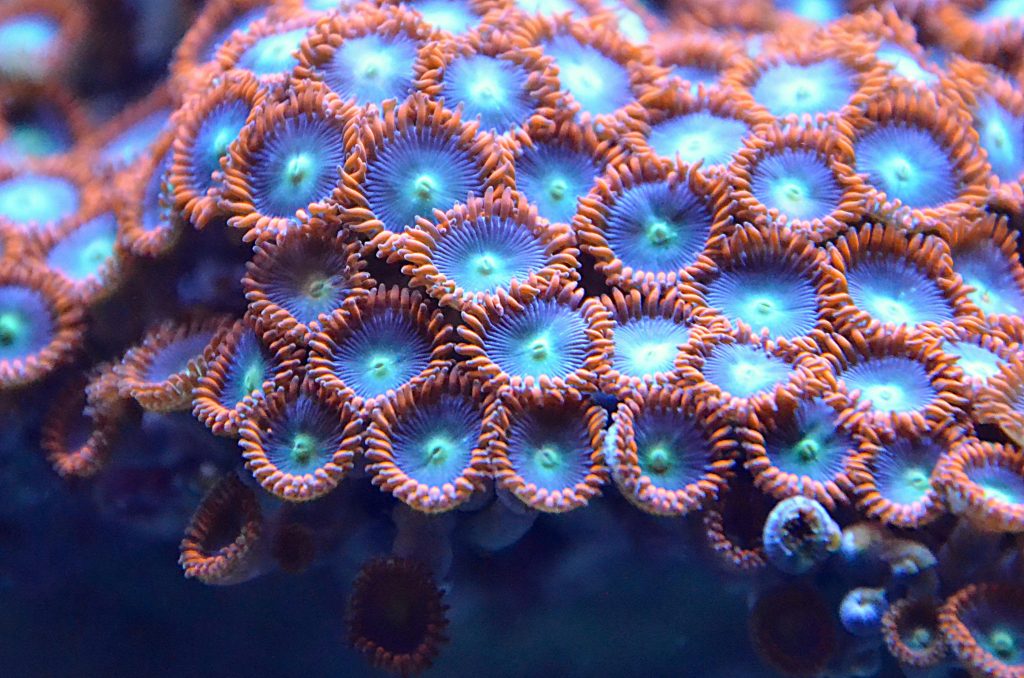
- Zoanthids & Palythoas: Available in many colors, fast-growing, and adaptable to moderate light and flow. Place them on isolated rocks if you want to control their spread.
- Green Star Polyps (GSP): Bright green mat that waves in the current and grows quickly. Mount it on a separate rock away from your main structure so it doesn’t overtake other corals.
- Leather Corals (e.g., Toadstool, Kenya Tree): Extremely hardy and tolerant of beginner mistakes. They may “shed” a waxy layer occasionally; this is normal and helps them grow.
LPS Corals: Beginner-Friendly With Bigger Polyps
Large Polyp Stony (LPS) corals add movement and structure while still being manageable for new hobbyists.
- Duncan Coral: One of the best starter LPS. It accepts a variety of foods, has long, flowing tentacles, and adapts well to moderate light and flow.
- Hammer, Frogspawn, and Torch (Euphyllia): Loved for their swaying tentacles and vibrant colors. They prefer moderate light and gentle to moderate flow—enough to move the tentacles, but not blast them.
- Trumpet/Candy Cane Coral: Hardy, with defined round heads that inflate nicely under stable conditions. Great for learning how to feed individual coral heads.
Tip: Keep some space around Euphyllia corals. Their stinging sweeper tentacles can extend at night and damage neighbors.
Placement, Feeding, and Long-Term Success
Thoughtful placement helps your beginner corals thrive. Start new pieces on a removable rack or low in the tank, then slowly move them up over a week or two if they respond well. For more layout ideas, see our article on aquascaping for reef tanks.
Many easy corals can live on light and nutrients in the water, but they often grow faster and look better with occasional feeding:
- Target-feed LPS (Duncan, hammer, candy cane) once or twice a week with small meaty foods.
- Rely mostly on good lighting and stable nutrients for soft corals; they usually don’t need heavy feeding.
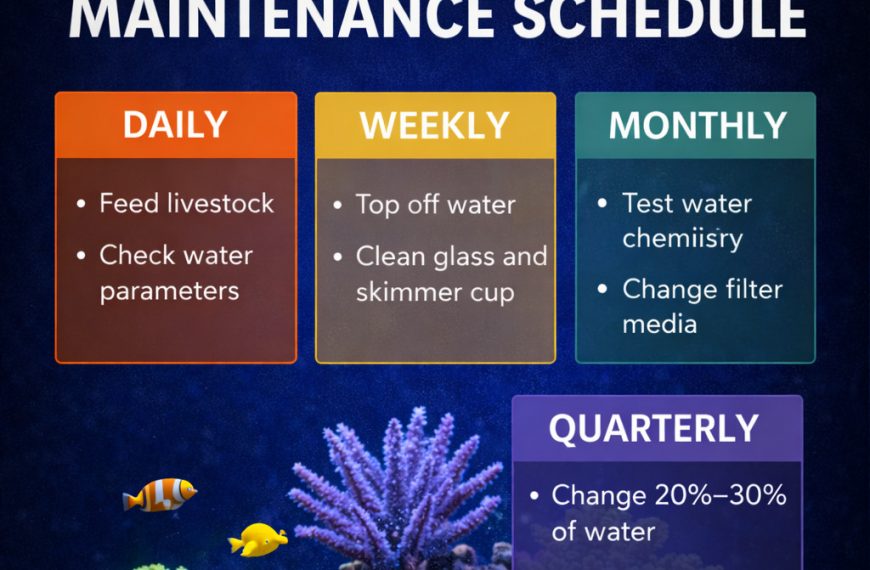
- Perform regular water changes to replenish trace elements and maintain water quality.
Over time, you can gradually move from these hardy starter corals into more demanding species. As your confidence grows, revisit your stocking plan and consider how each new coral fits your lighting, flow, and nutrient levels. When you’re ready to expand, check our guide on intermediate corals for growing reef tanks.
With the right beginner corals, a stable tank, and a patient approach, your first reef can be colorful, active, and surprisingly easy to maintain.
Sources
- Borneman, E. H. Aquarium Corals: Selection, Husbandry, and Natural History. TFH Publications.
- Sprung, J. Corals: A Quick Reference Guide. Ricordea Publishing.
- Delbeek, J. C., & Sprung, J. The Reef Aquarium, Vol. 1–3. Ricordea Publishing.
- General husbandry practices synthesized from hobby literature and long-term reef aquarium experience.
 By
By