Cleaning Aquarium Critters: Your Reef’s Natural Maintenance Crew
Cleaning aquarium critters are the unsung heroes of a healthy saltwater tank. From algae-grazing snails to detritus-loving hermits, these invertebrates and fish help keep your glass, rocks, and sand cleaner with far less effort from you. Used wisely, a clean-up crew (CUC) can support stable water quality, reduce nuisance algae, and make your reef look vibrant and alive.
Types of Cleaning Critters and What They Actually Do
Not all cleaning critters do the same job. A balanced crew targets algae, leftover food, and waste in different parts of your aquarium. Before you buy more snails “just because,” think about what you really need.
Algae Grazers
- Trochus and Astraea snails: Excellent for film algae on glass and rock. Trochus can flip themselves over if they fall.
- Nassarius snails: Not true algae eaters; they sift the sand and eat leftover food and meaty bits.
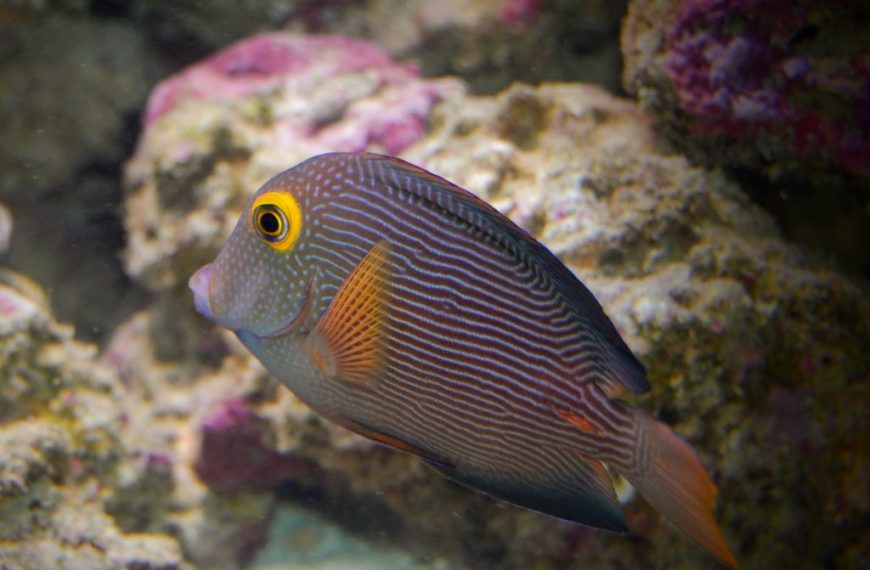
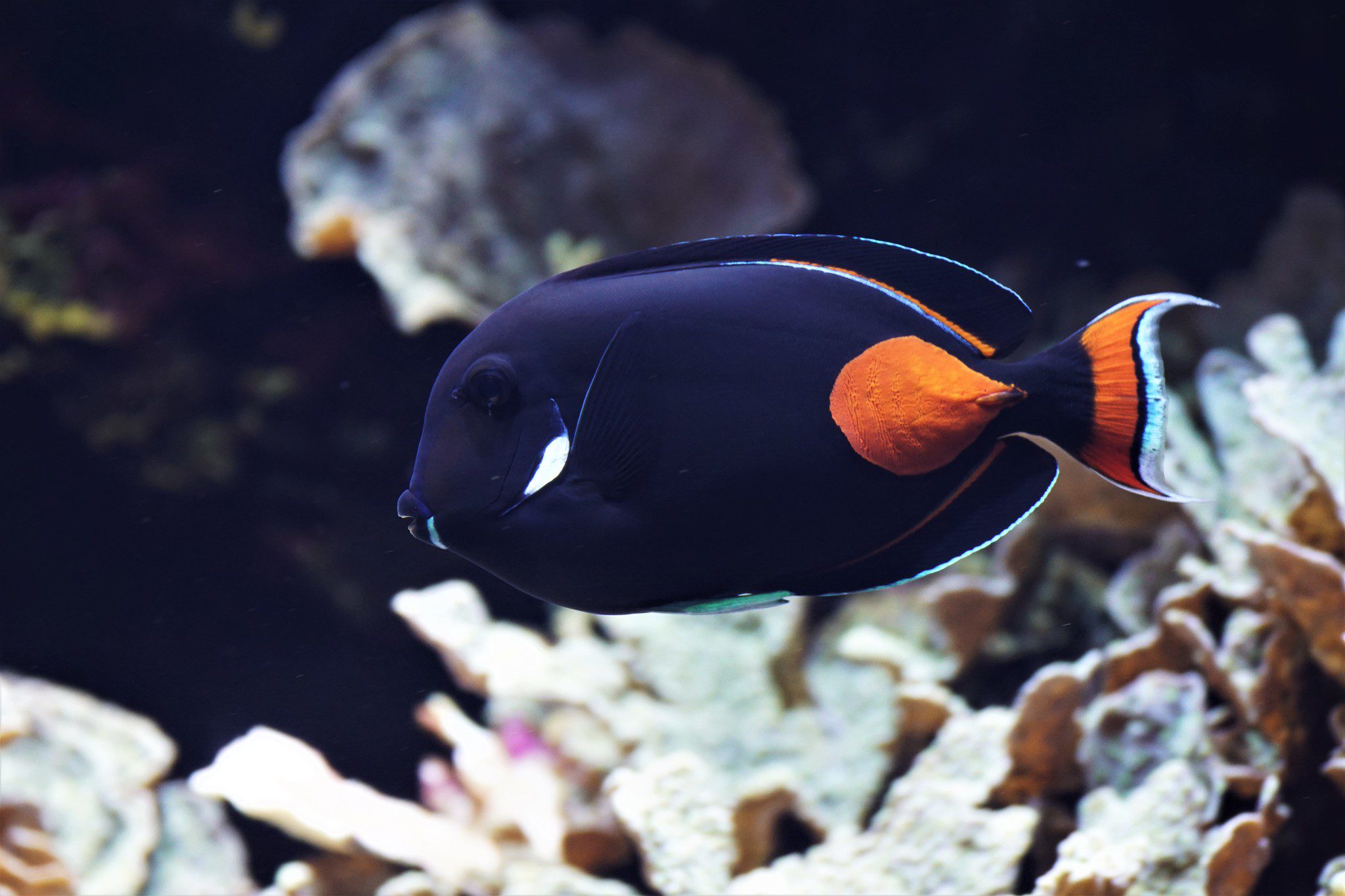
- Tangs and blennies: Many species graze hair algae and film algae on rockwork.
For a deeper dive into algae control strategies, check out our guide on controlling algae in saltwater tanks and pair those methods with the right grazers.
Detritus and Leftover Food Cleaners
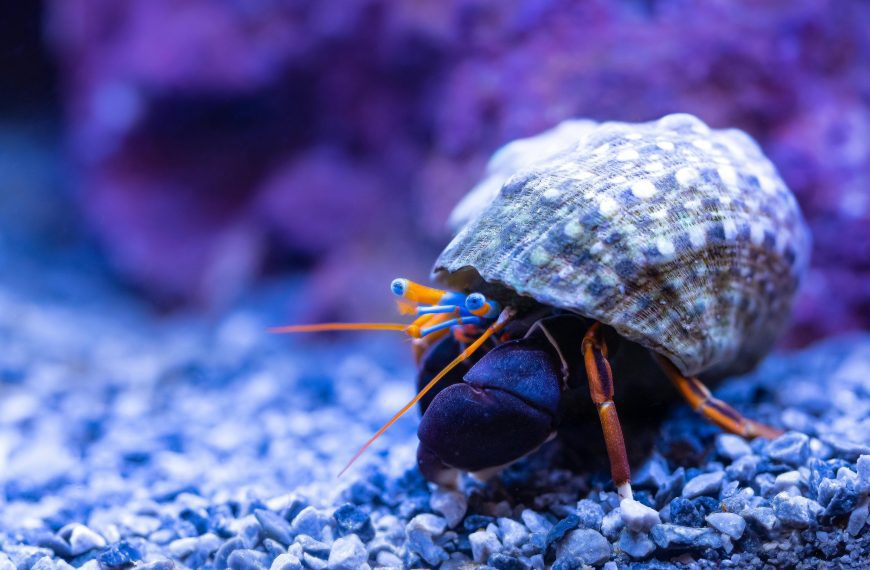
- Hermit crabs (blue-leg, scarlet, etc.): Pick at leftover food, film algae, and detritus in rock crevices.
- Cleaner shrimp (Lysmata, Skunk cleaner): Eat leftover food and sometimes clean parasites and dead tissue from fish.
- Serpent and brittle stars: Great scavengers for under and behind rock structures.
Remember that clean-up crews supplement, but never replace, good husbandry. Proper feeding, filtration, and regular maintenance (like the routines in our saltwater aquarium maintenance checklist) are still essential.
Sandbed Sifters
- Sand-sifting snails (Nassarius, Cerith): Help oxygenate the sand and consume trapped food.
- Sand-sifting sea stars: Powerful but can starve in small or young tanks; best for mature systems.
- Cucumbers: Process sand and organic waste but require stable, established tanks.
How Many Cleaning Critters Do You Really Need?
Old rules like “one snail per gallon” often lead to overstocked, starving clean-up crews. Instead, match your CUC to your actual tank conditions:
- Lightly stocked, low-nutrient tanks: Fewer critters; too many will run out of food.
- Newer tanks with early algae blooms: Start with a modest crew and add more only if algae persists.
- Heavily fed reef tanks: A mixed crew of snails, hermits, and shrimp can help manage extra waste.
A practical approach is to add a small group, observe for a few weeks, and then adjust. If rocks and glass stay mostly clean and critters look active and well-fed, you’re close to the right balance.
Best Practices for Using Cleaning Aquarium Critters
To get the most from your natural maintenance crew, keep these tips in mind:
- Acclimate slowly: Many inverts are sensitive to salinity swings; drip acclimation is highly recommended.
- Provide variety: Mix species that target different areas—glass, rock, and sand—rather than overloading one type.
- Offer spare shells for hermits: Reduces aggression toward snails and keeps the crew stable.
- Feed appropriately: If your tank is very clean, occasional supplemental feeding (like small sinking pellets) can prevent starvation.
- Plan for compatibility: Avoid predators like certain wrasses, triggers, and puffers if you rely on small inverts.
For help matching critters to your tank size and fish list, see our overview of beginner saltwater aquarium stocking before you buy.
Pro tip: Cleaning critters are a support team, not a fix-all. If you’re battling chronic algae or dirty sand, test your water, adjust feeding, and improve filtration alongside adding a CUC.
Cleaning aquarium critters are one of the most enjoyable and useful parts of the saltwater hobby. When chosen thoughtfully and supported with good maintenance, they’ll keep your reef sparkling, your sandbed turning, and your rockwork alive with interesting behavior—so you can spend more time enjoying your tank and less time scraping glass.
Sources
- Sprung, J. & Delbeek, J.C. The Reef Aquarium, Vol. 1–3. Ricordea Publishing.
- Fenner, R. The Conscientious Marine Aquarist. Microcosm Ltd.
- Borneman, E. Aquarium Corals. TFH Publications.
 By
By