Common Reef Pests Every Hobbyist Should Know
Even the most carefully maintained reef tank can fall victim to unwanted hitchhikers and pests. Some are merely unsightly, while others can devastate corals or irritate fish. Learning to identify and manage common reef pests will help you protect your investment and keep your reef thriving for years.
If you are just getting started, you may also want to review our guides on beginner reef tank setup and how to set up a quarantine tank, as both are critical tools in preventing pests from entering your display.
Algae & Aiptasia: The Usual Suspects
Nuisance Algae
Algae problems are often the first sign that something is off in a reef system. While a little algae is normal, unchecked growth can smother corals and make maintenance frustrating.
- Hair algae: Long, green strands that grow on rock and equipment, often fueled by excess nutrients and weak flow.
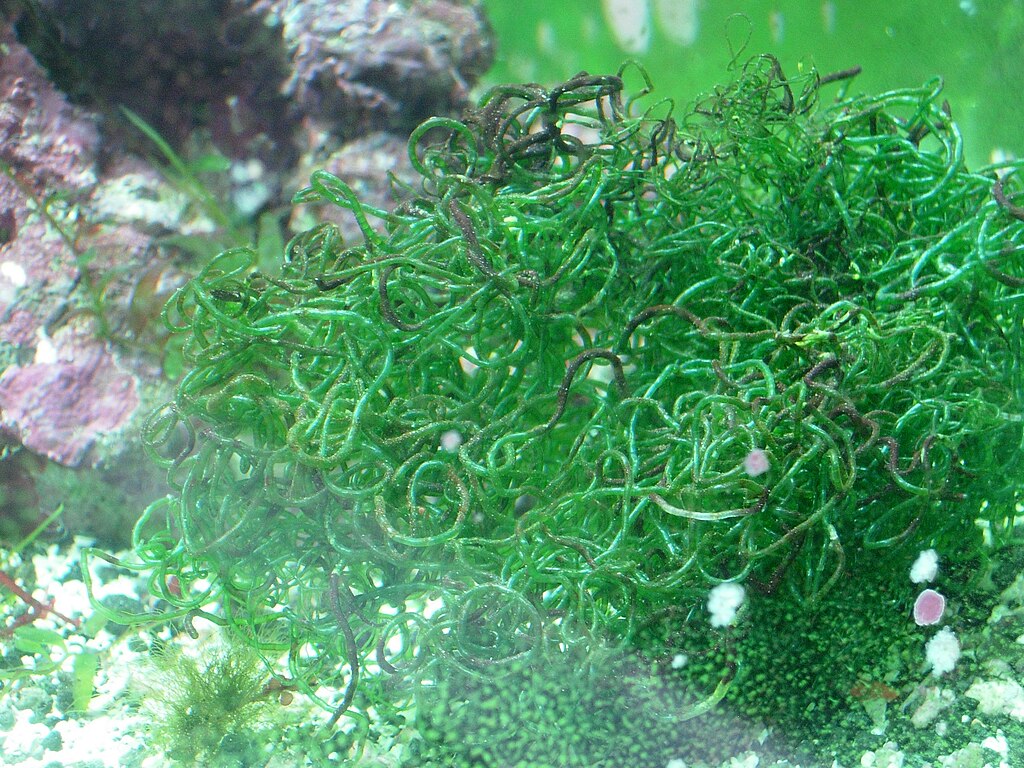
- Bryopsis: A more stubborn, feathery algae that can quickly overtake rockwork.
- Bubble algae (Valonia): Shiny green bubbles that can spread when popped during removal.
Control tips:
- Keep nitrate and phosphate in a reasonable range with regular water changes and good skimming.
- Use a balanced clean-up crew (snails, hermits, urchins) selected for the specific algae you are fighting.
- Manually remove algae during maintenance and avoid overfeeding fish.
Aiptasia Anemones
Aiptasia are small, glass anemones that can sting and irritate corals. They often arrive as tiny hitchhikers on live rock or frag plugs and can multiply quickly if ignored.
Identification: Translucent or brownish anemones with long tentacles that retract rapidly when disturbed. They commonly appear in shaded rock crevices, overflows, and sump baffles.
Control tips:
- Spot-treat with reef-safe Aiptasia solutions using a syringe while pumps are off.
- Introduce natural predators such as peppermint shrimp in appropriate systems.
- Remove or replace heavily infested rocks when practical.
Coral-Eating Pests: Flatworms, Nudibranchs & Red Bugs
Flatworms & Nudibranchs
Some flatworms and nudibranchs are harmless, but others specialize in eating specific corals. Acropora-eating flatworms (AEFW) and zoanthid-eating nudibranchs can be particularly destructive.
- AEFW: Often visible only as bite marks and faded patches on Acropora. Eggs appear as small, clustered dots on coral bases.
- Zoanthid-eating nudibranchs: Tiny, often camouflaged to match zoas; you may notice closed polyps and tissue loss first.
Control tips:
- Dip all new corals using a coral dip solution before adding them to your display.
- Inspect coral bases and plugs with a magnifying glass and remove egg clusters manually.
- Use repeated dips over several weeks to break pest life cycles.
Red Bugs on Acropora
Red bugs (Tegastes acroporanus) are tiny crustaceans that live on Acropora, causing poor polyp extension and dull coloration. They can be hard to see with the naked eye but appear as tiny red or yellow specks crawling on coral branches.
Control tips:
- Quarantine affected Acropora colonies and treat them according to a proven protocol.
- Maintain strong, stable water parameters to help corals recover.
- Always quarantine incoming SPS frags, as they are the most common source.
Prevention: Your Best Pest Control Tool
While there are many ways to battle pests after they appear, preventing them from entering your system is far easier. A simple, consistent routine can save you countless headaches later.
- Set up and use a dedicated quarantine tank for all new fish and corals.
- Dip every coral and inspect rock and frag plugs before they go into your display.
- Keep a log of new additions and any issues that appear afterward.
- Review your stocking and maintenance plan against our reef tank maintenance checklist to catch problems early.
By learning how to recognize common reef pests and committing to strong quarantine and inspection practices, you can keep your reef healthy, colorful, and far more enjoyable to maintain.
Sources
- Borneman, E. H. Aquarium Corals: Selection, Husbandry, and Natural History. TFH Publications.
- Sprung, J. & Delbeek, J. C. The Reef Aquarium Series. Ricordea Publishing.
- Advanced Aquarist & Reef2Reef community articles and case studies on reef pests and coral quarantine practices.
 By
By