Cyphastrea Care: A Colorful, Forgiving SPS for Every Reef
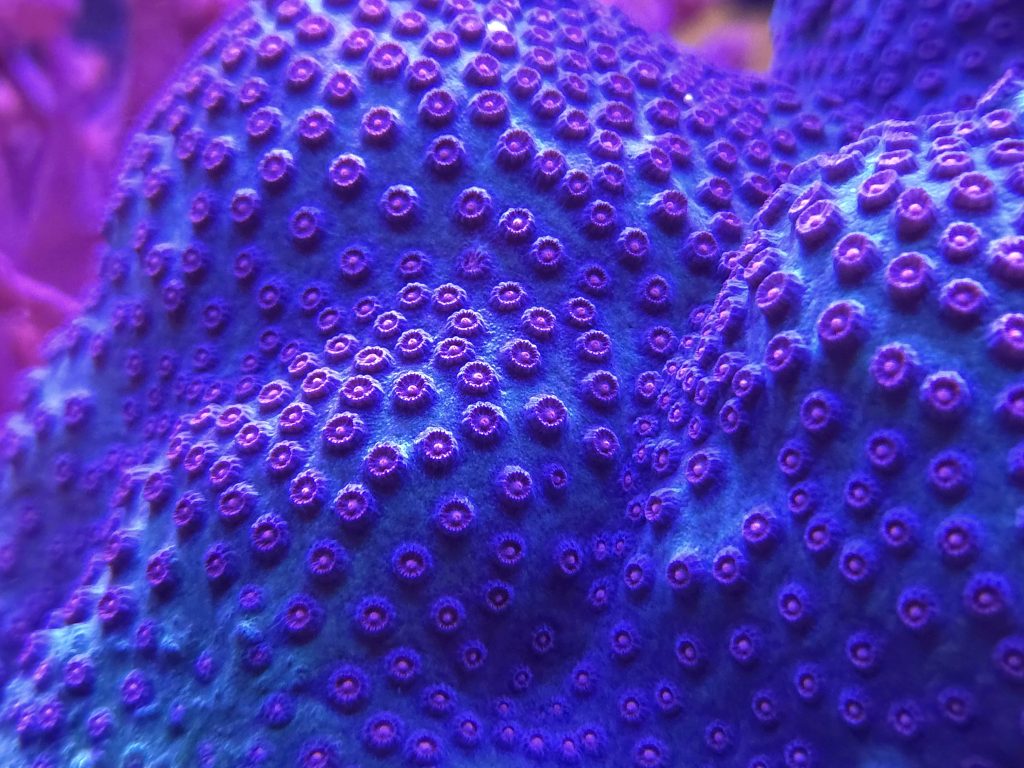
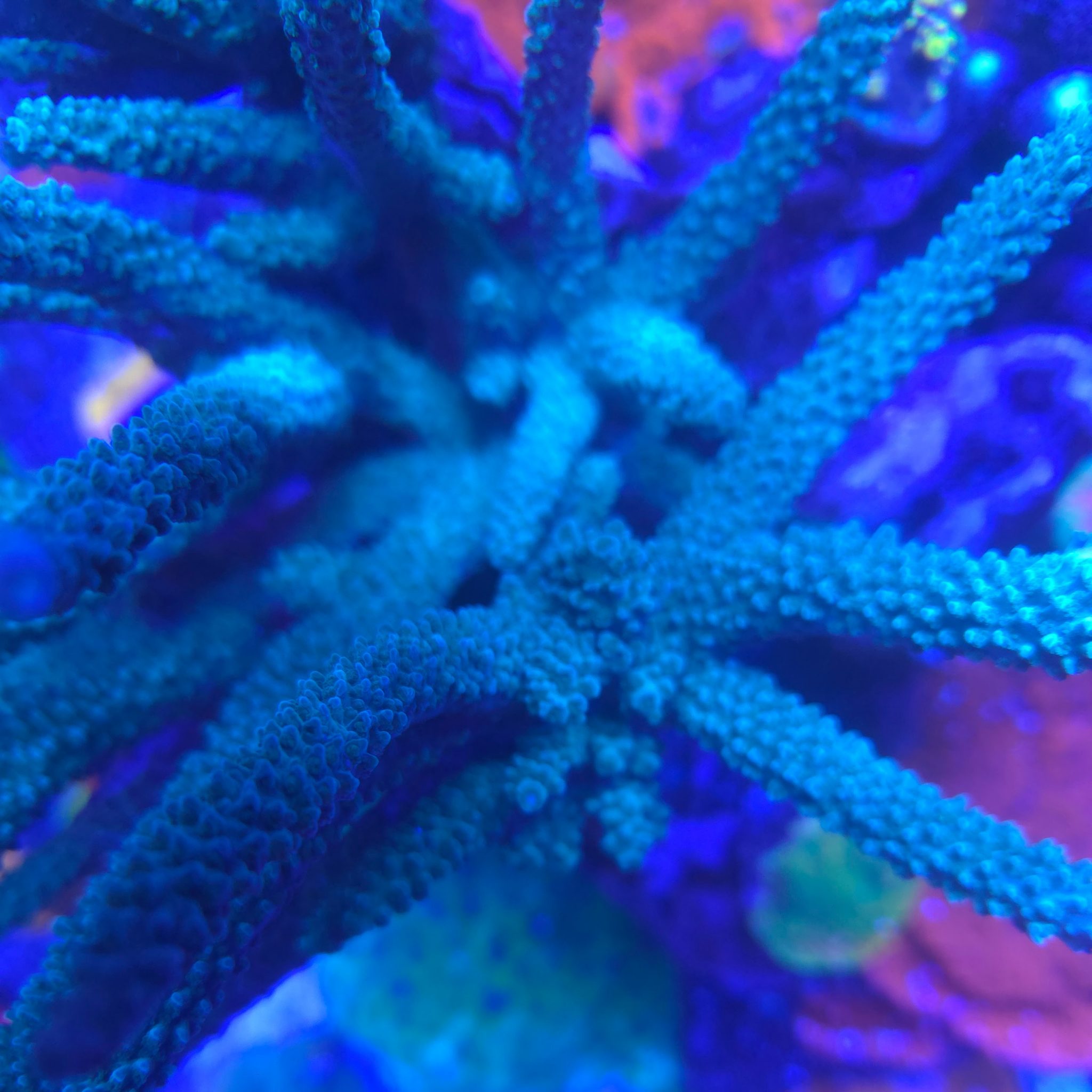
Cyphastrea is a fantastic coral for reef keepers who want SPS color and texture without the demanding care of Acropora. Often encrusting over rockwork with bright greens, oranges, and blues, Cyphastrea thrives in a wide range of tanks when given stable parameters and moderate lighting. This guide covers lighting, flow, placement, feeding, and common issues so you can keep your Cyphastrea growing and glowing.
Ideal Conditions for Cyphastrea
Cyphastrea is generally considered a hardy small polyp stony (SPS) coral. It adapts well to mixed reefs and makes an excellent “bridge” coral for hobbyists transitioning from soft corals and LPS to SPS.
Water Parameters
Aim for stable, reef-safe parameters rather than chasing perfect numbers:
- Temperature: 24–26°C (75–79°F)
- Salinity: 1.025–1.026 specific gravity
- Alkalinity: 8–9.5 dKH (keep swings under 0.5 dKH per day)
- Calcium: 400–450 ppm
- Magnesium: 1300–1400 ppm
- Nitrate: 5–15 ppm
- Phosphate: 0.03–0.08 ppm
Cyphastrea usually looks best in tanks with a bit of nutrient presence. Ultra-low nutrients can cause pale coloration and slower growth.
Lighting and Flow
One of the biggest advantages of Cyphastrea is its flexibility in lighting:
- Lighting: Low to moderate PAR (50–150). Too much light can cause bleaching or washed-out colors.
- Flow: Low to moderate, random flow is ideal. Avoid direct, laminar blasts from a powerhead.
Start new frags in the lower half of the tank and slowly move them up only if needed. Watch for signs: extended polyps and rich color indicate good placement, while retracted polyps or tissue recession suggest too much light or flow.
Placement, Feeding, and Growth Tips
Cyphastrea is an encrusting coral that will eventually spread across rockwork, plugs, and even glass. Plan ahead so it doesn’t overgrow prized neighbors.
Placement Strategy
- Mount frags on isolated rocks or the back wall to create a colorful “living wallpaper.”
- Leave a small buffer zone between Cyphastrea and slow-growing LPS or soft corals.
- Use epoxy or super glue gel to secure frags; they encrust best on stable, rough surfaces.
For more ideas on building a stable rockscape around encrusting corals, check out our guide on aquascaping with live rock.
Feeding and Growth
Cyphastrea gets most of its energy from light and dissolved nutrients, but light feeding can boost color and growth:
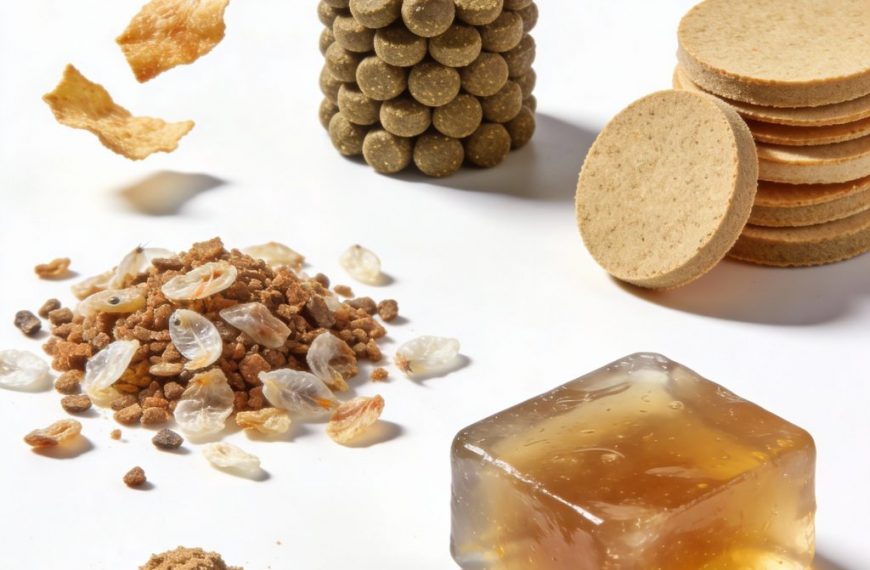
- Broadcast feed fine coral foods (e.g., rotifers, reef roids, or similar powdered foods) 1–2 times per week.
- Turn off the return pumps for 10–15 minutes to allow the food to remain in suspension.
- Maintain regular water changes to prevent nutrient buildup from extra feeding.
If you’re new to coral nutrition, our beginner coral care guide breaks down simple feeding routines for mixed reefs.
Common Problems and How to Avoid Them
- Bleaching or fading: Often from sudden increases in light. Acclimate slowly when moving Cyphastrea higher in the tank or upgrading lights.
- Tissue recession from the edges: Check for alkalinity swings, aggressive neighbors, or pests such as nudibranchs and vermetid snails.
- Slow growth: Verify stable parameters, a bit of nitrate and phosphate, and consistent feeding.
For help dialing in your reef’s stability, see our overview on maintaining stable reef parameters.
Pro tip: Take monthly top-down photos of your Cyphastrea. Subtle color and growth changes are much easier to spot over time when you can compare images.
Conclusion: Why Cyphastrea Belongs in Your Reef
Cyphastrea offers SPS-like structure and color in a coral that forgives minor mistakes, making it ideal for both progressing beginners and seasoned reefers. Give it stable parameters, modest lighting, gentle flow, and occasional feeding, and it will reward you with a vibrant encrusting mat that adds depth and texture to your aquascape. With a bit of planning around placement and growth, Cyphastrea can become a long-term, low-stress showpiece in your saltwater aquarium.
Sources
- Borneman, E. H. Aquarium Corals: Selection, Husbandry, and Natural History.
- Sprung, J. Corals: A Quick Reference Guide.
- Consensus from long-term reef aquarium hobbyist experience and major reef forums.
 By
By