Dwarf Angelfish For Saltwater Aquariums
Dwarf angelfish are among the most colorful and personality-packed fish you can add to a saltwater aquarium. Their compact size, constant activity, and bold colors make them a favorite for reef keepers and fish-only systems alike. However, they’re not always as “reef safe” as their small size suggests, so planning ahead is essential.
Popular Dwarf Angelfish Species
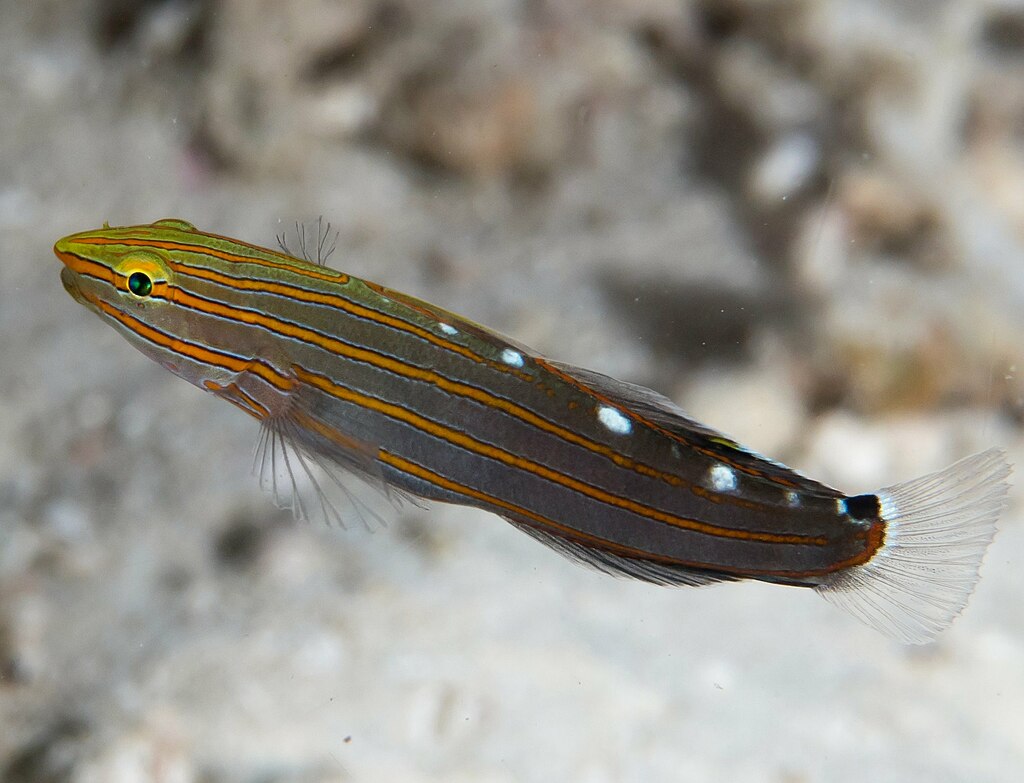
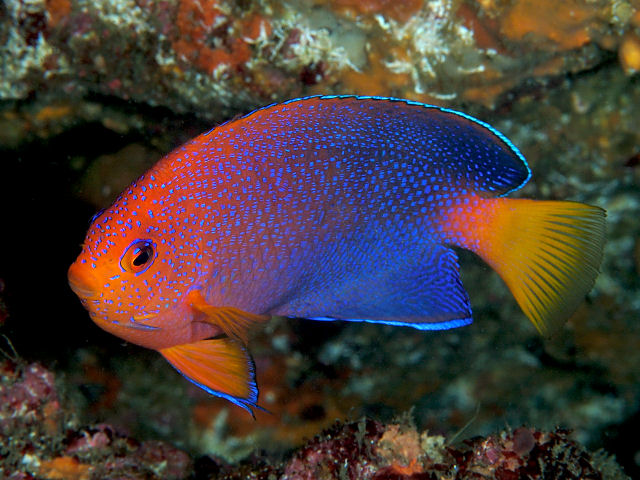
Most dwarf angelfish stay under 5 inches and belong to the genus Centropyge. Some of the most common choices for home aquariums include:
- Cherub Angel (Centropyge argi) – A hardy, deep-blue fish with a golden face. Great for smaller tanks (around 30 gallons and up).
- Flame Angel (Centropyge loricula) – Bright orange-red with black and blue highlights. Very popular, moderately bold, and best in 55+ gallon systems.
- Coral Beauty (Centropyge bispinosa) – Purple and orange with a relatively peaceful temperament and good hardiness, suitable for many community setups.
- Potter’s Angel (Centropyge potteri) – Stunning orange and blue patterning, but can be more sensitive and best for experienced hobbyists.
Before you choose a species, consider your tank size, existing fish, and whether you keep corals or clams. If you’re still planning your system, our beginner saltwater aquarium setup guide can help you size and stock your first reef.
Tank Requirements & Care
Dwarf angels are active grazers that spend their day picking at rocks and decor. To thrive, they need a stable, mature environment with plenty of hiding spots and natural surfaces to explore.
Tank Size & Aquascape
- Minimum volume: 30 gallons for the smallest species (like the Cherub), 55+ gallons for most others.
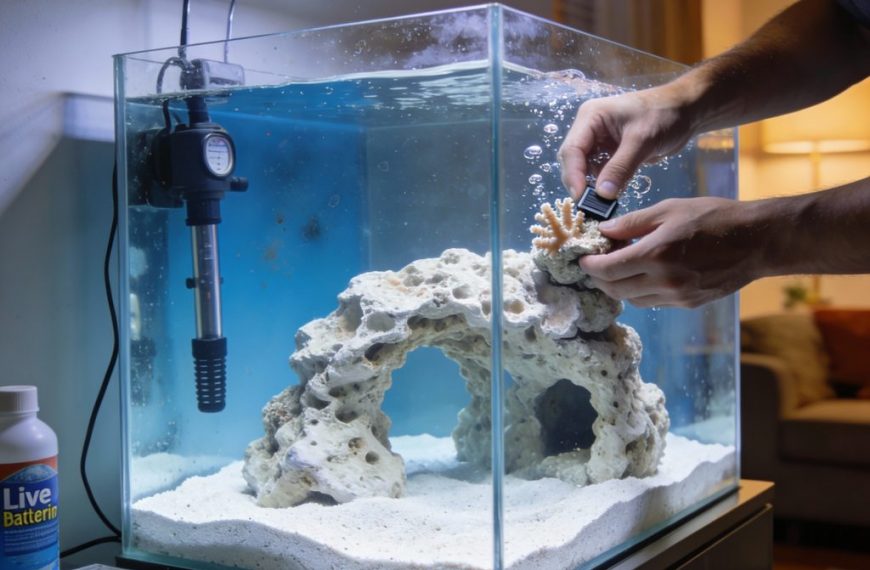
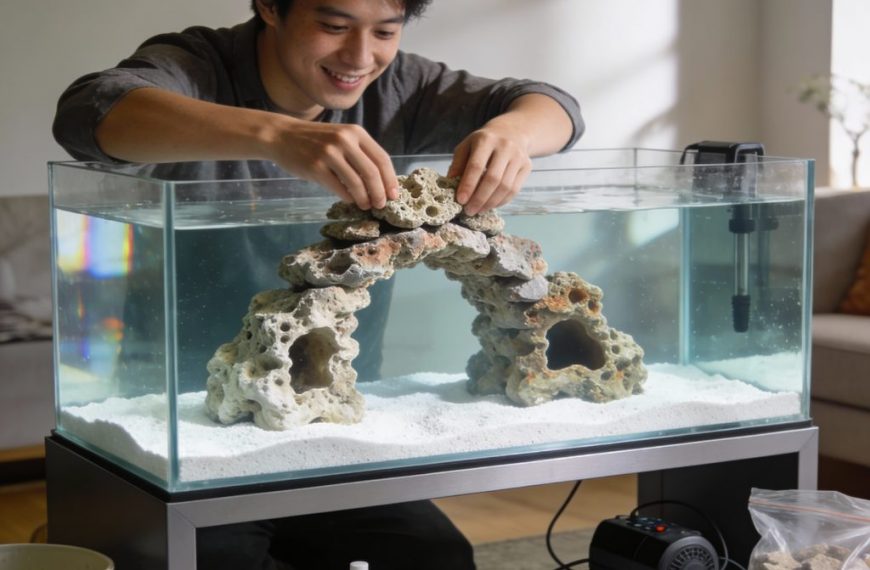
- Rockwork: Create caves, arches, and overhangs so the fish can retreat and feel secure.
- Swimming space: Leave open areas in front of the rock to allow for continuous cruising.
Live rock not only provides shelter but also supports algae and microfauna that dwarf angels love to pick at. A well-established system with stable parameters (0 ammonia and nitrite, low nitrate, and consistent salinity) is strongly recommended before adding one.
Diet & Feeding Tips
In the wild, dwarf angelfish graze on algae, sponges, and small invertebrates. In the aquarium, aim for a varied diet:
- High-quality marine pellets or flakes formulated for omnivores.
- Frozen foods like mysis shrimp, brine shrimp, and finely chopped seafood.
- Algae-based foods (nori, spirulina pellets) to support long-term health.
Hobbyist tip: Offer small feedings 2–3 times per day and clip a piece of nori to the glass. This encourages natural grazing behavior and helps reduce nipping at corals.
Temperament, Tankmates & Reef Safety
Dwarf angels are semi-aggressive and can be territorial, especially in smaller tanks. They usually do well with other robust community fish such as clownfish, wrasses, and tangs, but may harass very timid species.
- One per tank is safest unless you have a large, carefully planned system.
- Add dwarf angels after more peaceful fish so they don’t claim the entire tank as their territory.
- Provide multiple hiding spots to reduce chasing and stress.
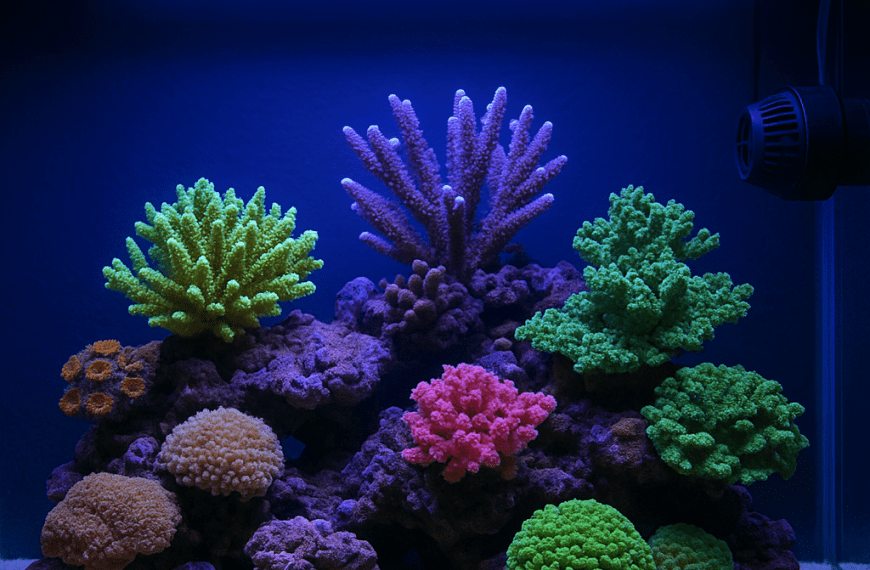
The biggest question is often: “Are dwarf angels reef safe?” The honest answer is “with caution.” Many individuals coexist with corals for years, while others quickly develop a taste for:
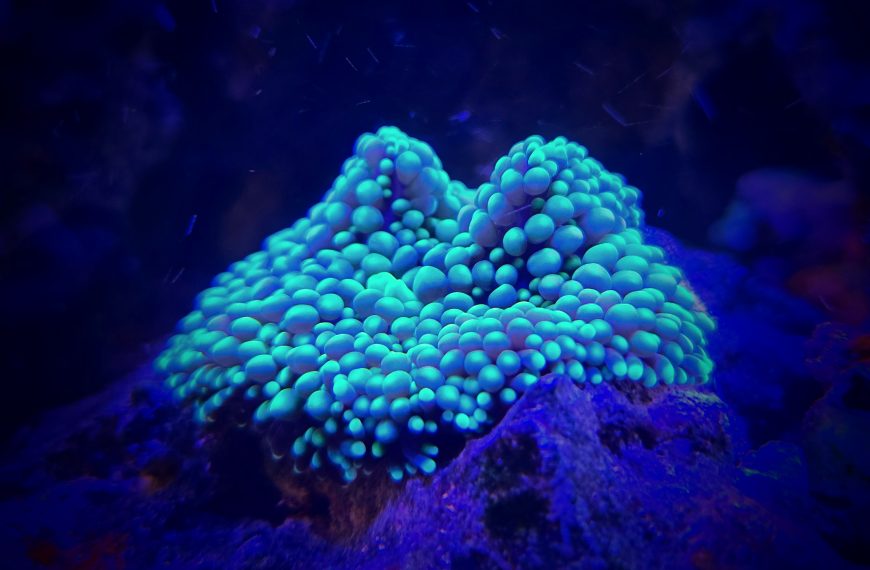
- LPS corals (fleshy polyps like acans, hammers, and brains)
- Zoanthids and palythoas
- Tridacna clams (mantle nipping)
If you keep a prized coral collection or clams, be prepared for some risk. For more detail on managing coral-nipping fish, see our article on reef-safe fish and compatibility.
Conclusion: Are Dwarf Angelfish Right For You?
Dwarf angelfish can be a stunning centerpiece in a saltwater aquarium, offering constant motion and vivid color in a relatively compact package. They do best in mature tanks with plenty of rockwork, stable water parameters, and a varied diet. Their semi-aggressive nature and potential for coral nipping mean they’re best suited for aquarists who plan stocking carefully and accept some risk in reef systems.
If you’re still deciding on your stocking list, pair this guide with our saltwater aquarium fish stocking guide to build a vibrant, compatible community around your new dwarf angel.
Sources
- Michael, S. (2004). Angelfishes & Butterflyfishes. Microcosm.
- Fenner, R. (2001). The Conscientious Marine Aquarist. TFH Publications.
- FishBase: Genus Centropyge species profiles.
- Collective hobbyist experience and long-term observations from established reef aquarists.
 By
By