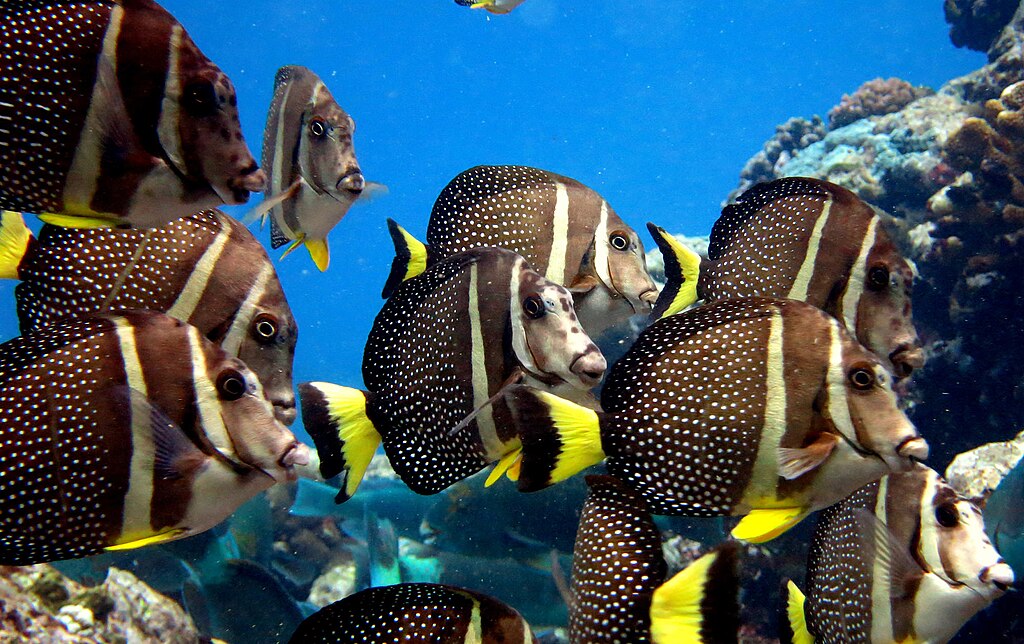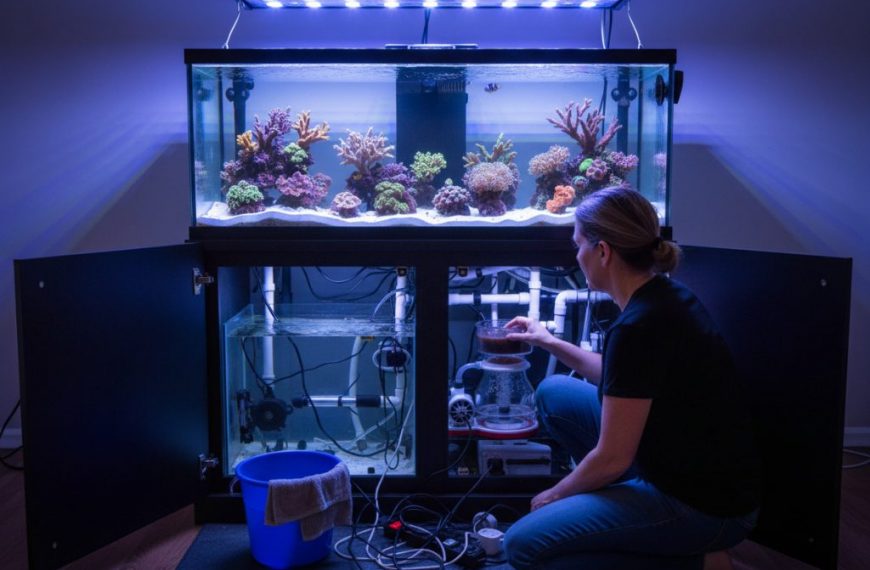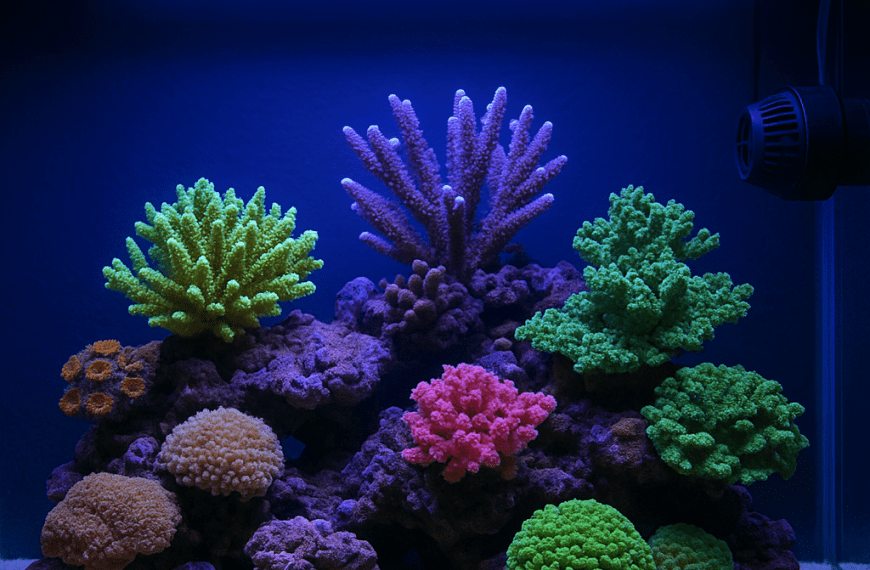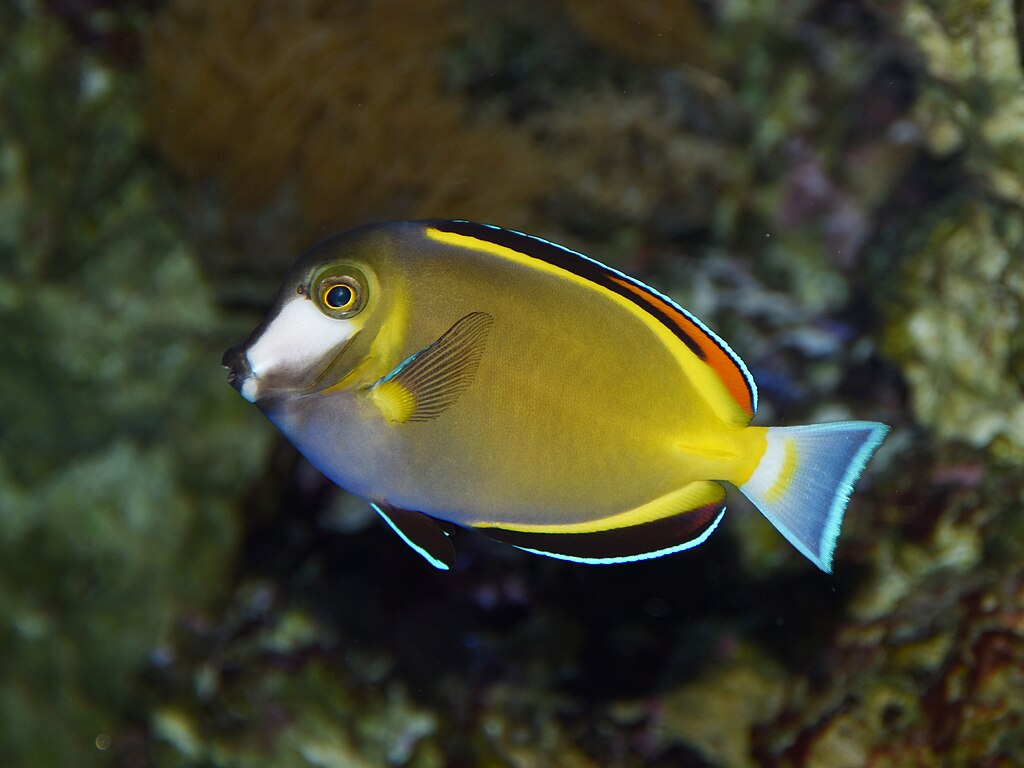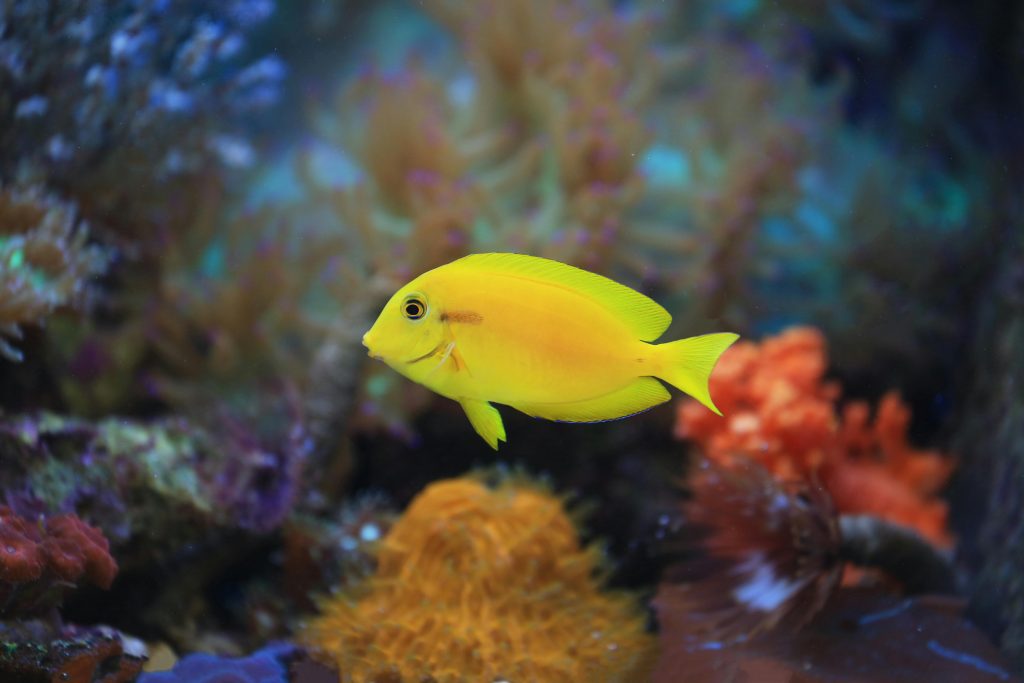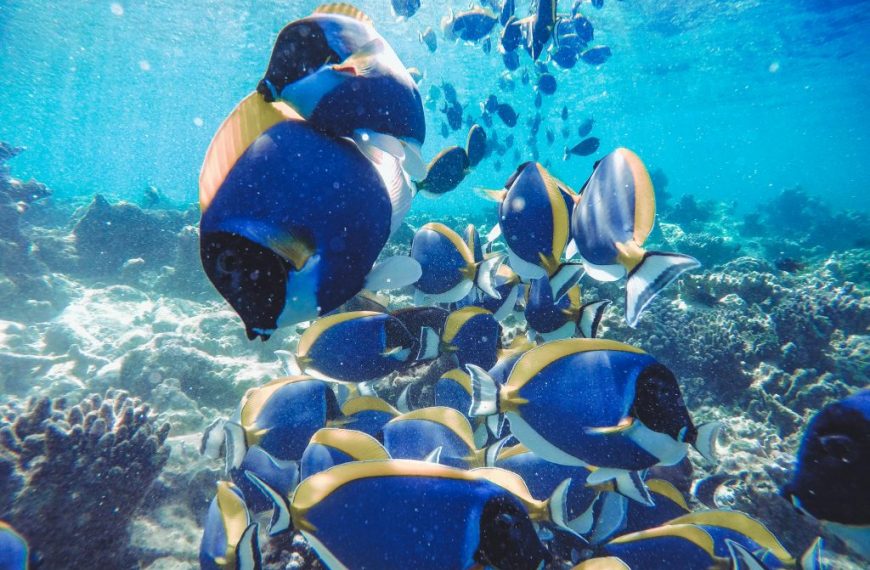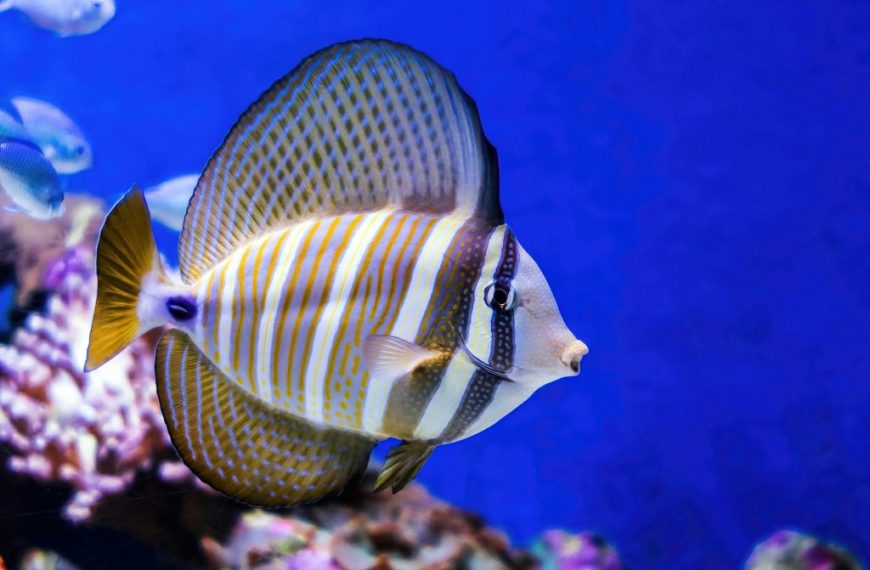
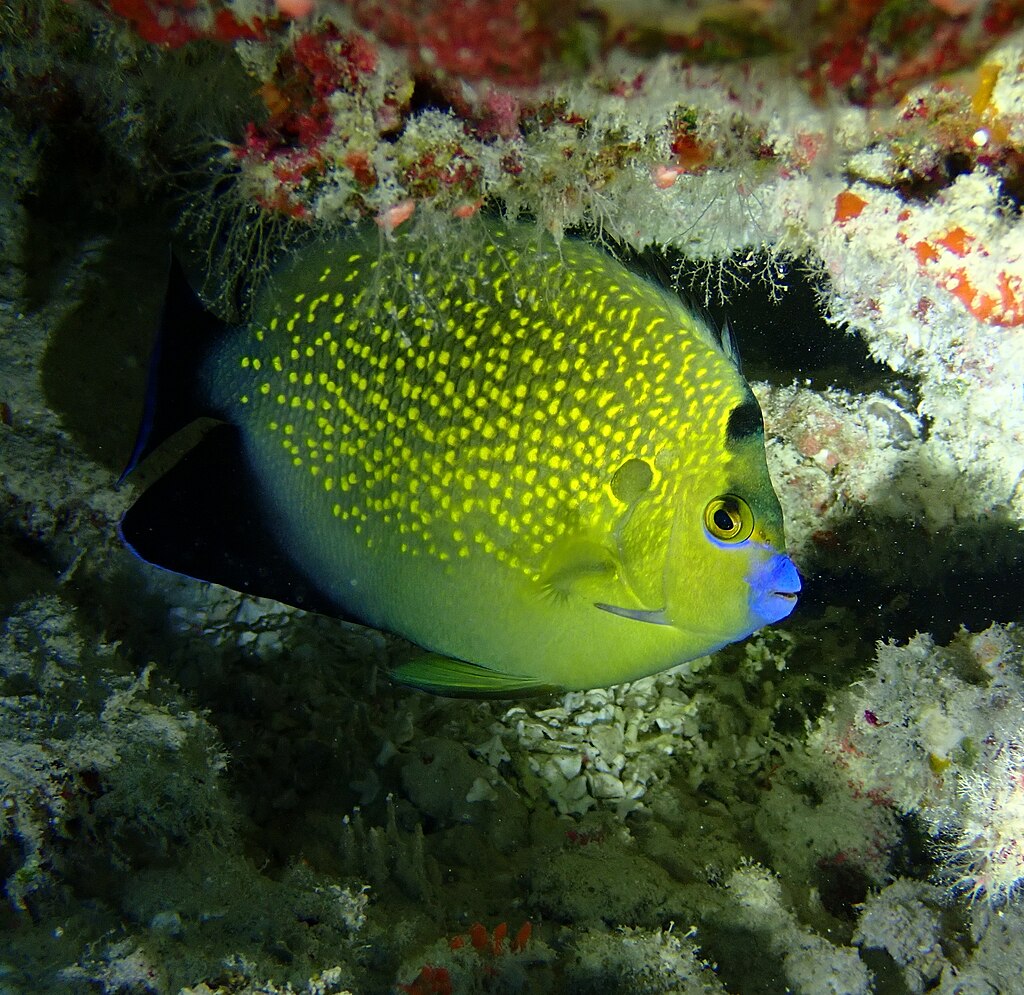
The Goldflake Angelfish (Apolemichthys xanthopunctatus) is a true showpiece. It also demands planning and patience. This guide covers tank setup, feeding, and long-term care.
Tank size, aquascape, and water targets
Start with a large, stable system. A 180-gallon tank is a solid minimum. Many keepers prefer 220 gallons or more. Adults can reach 10 inches. They need room to turn and cruise.
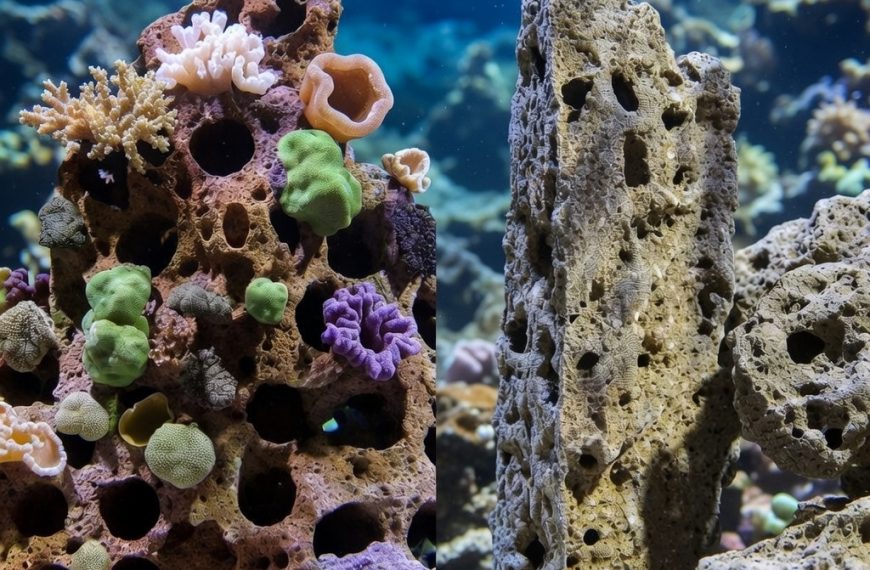
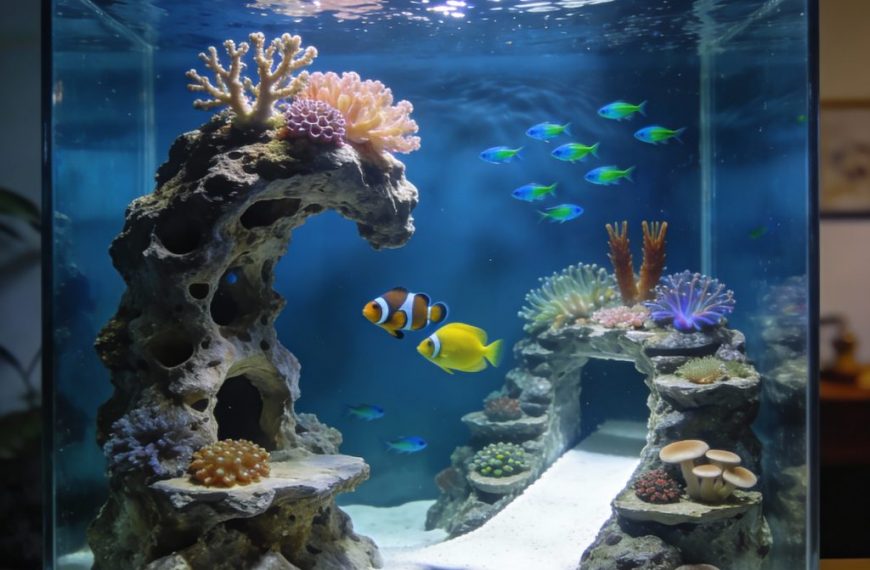
Build a rockscape with caves and long swim lanes. Use 1 to 1.5 pounds of rock per gallon. Leave open sand for foraging. Add shaded overhangs for security. A stressed angel hides and stops eating.
Keep parameters tight and boring. Aim for 76–79°F and 1.025 specific gravity. Hold pH at 8.1–8.4 and alkalinity at 8–9 dKH. Keep nitrate at 5–20 ppm in fish-only. Keep phosphate near 0.05–0.15 ppm. Avoid ammonia and nitrite at all times.
Strong filtration matters more than fancy gear. Use an oversized skimmer and plenty of flow. Target 15–25x turnover in the display. Add a refugium if nutrients climb. For cycling steps, see our cycling guide.
- Use a tight lid or mesh top to prevent jumping during lights changes.
- Quarantine in 40–55 gallons with PVC shelters and a seeded sponge filter.
- Run carbon after adding the fish to reduce shipping-related organics.
Feeding plan and daily care that keeps color
Goldflakes are omnivores with a sponge and tunicate bias. Many new imports refuse dry food. Start with frozen foods and transition slowly. Feed 2–4 small meals each day. Frequent feeding reduces picking at tankmates.
Use a structured menu. Offer frozen angelfish blends with sponge once daily. Add mysis or chopped clam for protein. Provide nori on a clip for grazing. Soak foods in vitamins twice weekly. Include HUFA supplements once weekly.
Watch the belly and dorsal profile. A pinched head means weight loss. Increase feeding frequency before adding more fish. Also check for bullying at meal time. Use two feeding stations to spread aggression.
Daily care should be simple and repeatable. Check temperature and salinity each morning. Empty the skimmer cup as needed. Replace evaporated water with RO/DI only. For a stable routine, follow our maintenance schedule.
- Feed frozen sponge-based food at least 4 times per week.
- Use an auto-feeder for pellets once the fish accepts them.
- Remove uneaten food after five minutes to protect water quality.
Reef compatibility, tankmates, and troubleshooting
This species is not reliably reef safe. Many individuals nip LPS, zoas, and clam mantles. Some ignore corals for months, then start tasting. Keep it in a fish-only system for best results. If you try a reef, accept the risk.
Choose tankmates with care. Avoid other large angels in smaller systems. Add the Goldflake last in many communities. Good companions include tangs, larger wrasses, and peaceful triggers. Avoid timid butterflies that lose food battles.
Quarantine prevents most disasters. Watch for marine ich and flukes. Flashing and cloudy eyes often point to flukes. Treat with praziquantel in quarantine, not the display. For white spots and scratching, review our ich treatment options.
Common mistakes are predictable. Many hobbyists buy a small tank “for now.” The fish outgrows it fast. Others run ultra-low nutrients and underfeed. That can cause head and lateral line erosion. Keep nutrition high and stress low.
- If it will not eat, dim lights and offer clam on the half shell.
- If it hides, add more caves and reduce aggressive tankmates.
- If nitrates spike, cut feeding by 20% and increase export.
The Goldflake Angelfish rewards steady care and a big, stable tank. Focus on spacious aquascape, frequent sponge-based feeding, and strict quarantine. With those basics, this fish can thrive for many years.
Sources: Scott W. Michael, “Marine Fishes”; FishBase species profile (Apolemichthys xanthopunctatus); Fenner, “The Conscientious Marine Aquarist.”
 By
By