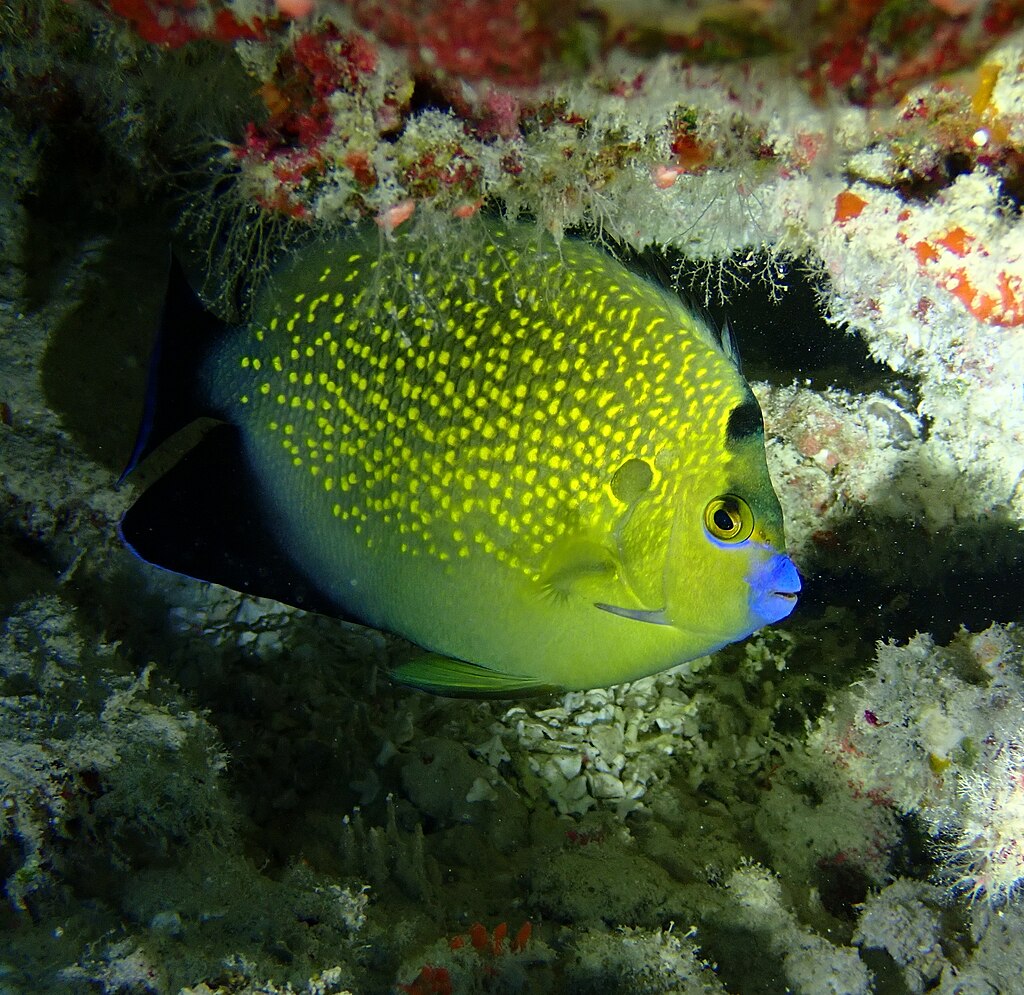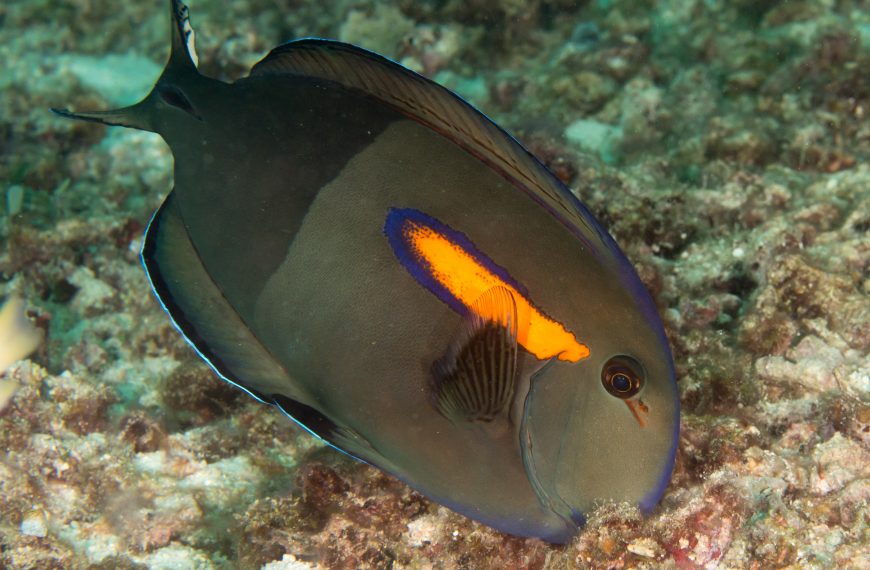
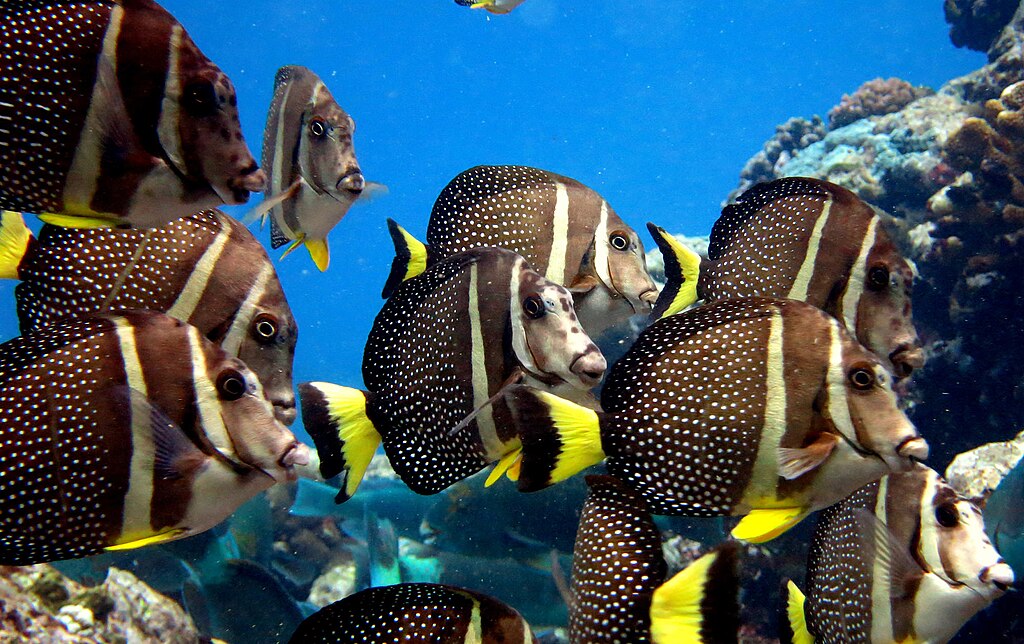
Mustard Guttatus (Acanthurus guttatus) is a striking surgeonfish with bold spotting and fast, nervous energy. It can thrive in captivity, but it demands space, oxygen, and stable water. This guide covers tank size, feeding, tankmates, and common problems.
Tank size, aquascape, and water targets
Plan for an adult that reaches about 7–8 inches. Use a 125-gallon tank as a minimum. A 180-gallon tank is safer for long-term success. This fish swims all day and needs open lanes.
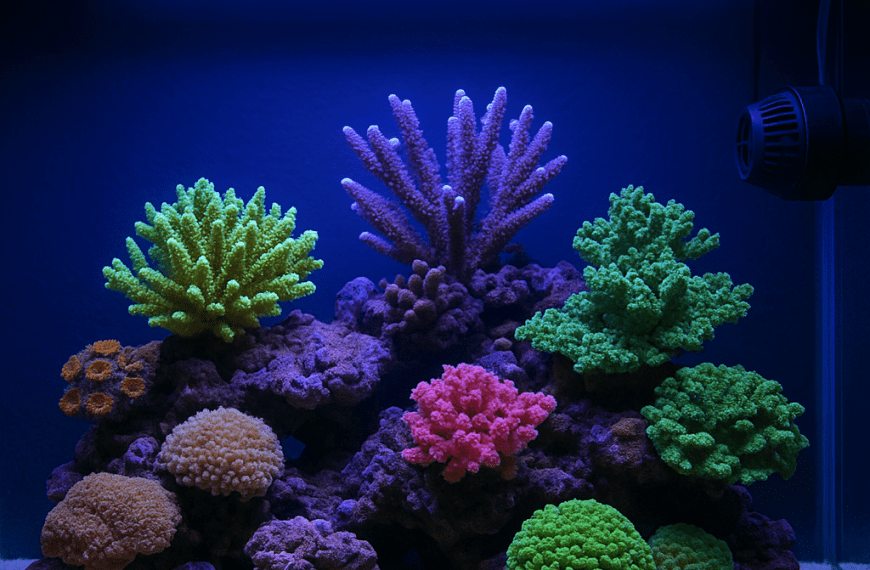
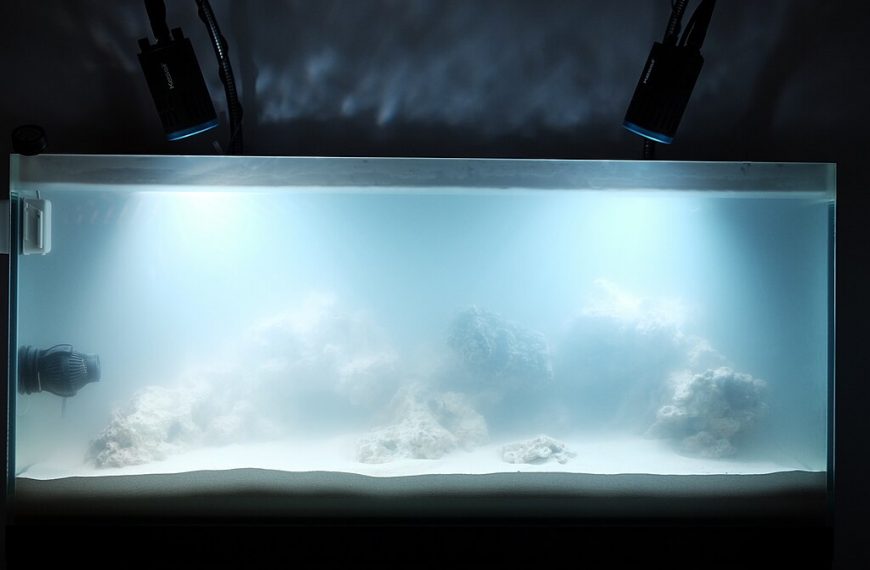
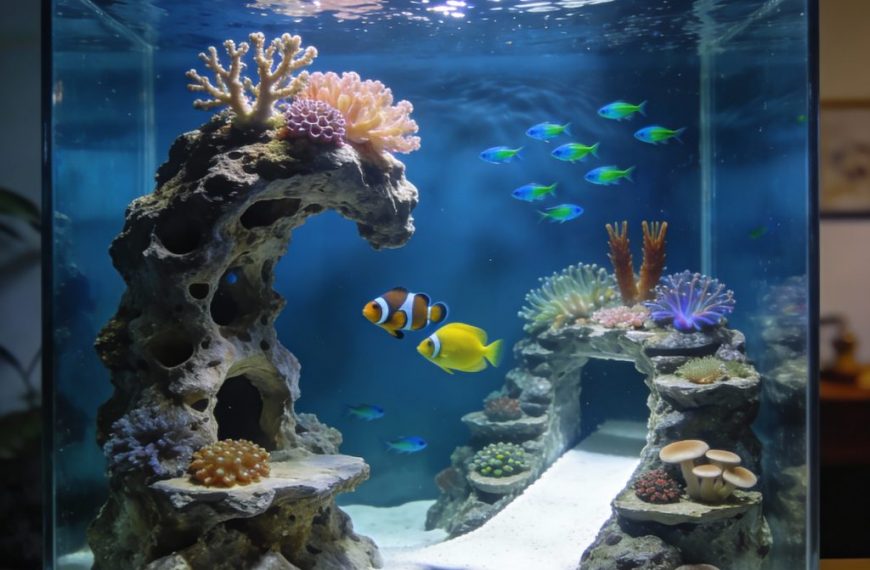
Build a rock structure with caves and long corridors. Leave at least 40–50% of the front open. Add multiple grazing zones with mature rock. Strong flow helps it feel secure and reduces stress.
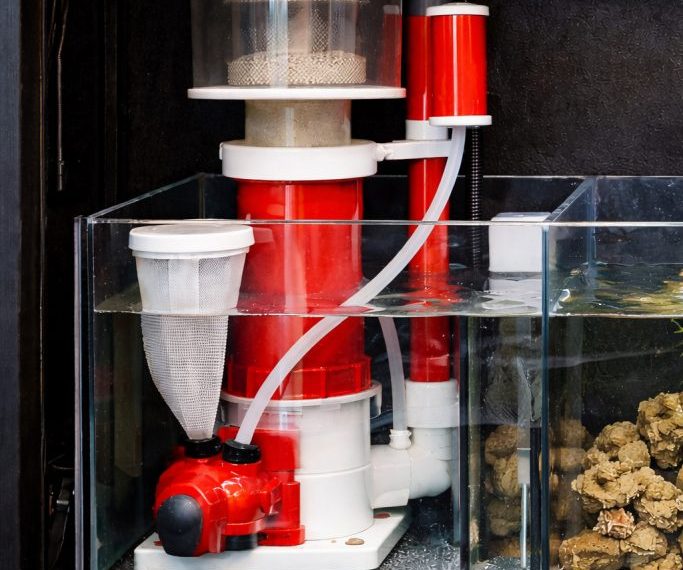
Keep oxygen high with surface agitation and a strong skimmer. Aim for 10–20x turnover from return flow. Add powerheads for 30–50x total reef flow. Low oxygen often shows as rapid breathing at night.
Hold stable reef parameters and avoid big swings. Target salinity 1.025–1.026, temperature 77–79°F, and pH 8.1–8.4. Keep ammonia and nitrite at 0. Keep nitrate 5–20 ppm and phosphate 0.03–0.10 ppm. Sudden drops in salinity can trigger ich outbreaks.
- Use a tight lid or mesh top to prevent jumping.
- Provide at least two high-flow areas and one calmer resting zone.
- Quarantine new fish to protect this tang’s thin slime coat.
For setup basics, review reef tank cycling and ideal reef water parameters. These steps prevent early losses.
Feeding plan for color, health, and behavior
Mustard Guttatus is an algae grazer that also eats meaty foods. Feed small portions 2–3 times daily. This reduces aggression and keeps weight steady. A hungry tang becomes pushy and picks at tankmates.
Offer dried nori on a clip every morning. Replace it within 3–4 hours if it breaks apart. Add a second clip on the opposite side in larger tanks. This spreads out grazing and lowers conflict.
In the evening, feed frozen foods like mysis, brine with spirulina, and finely chopped seafood. Mix in a quality herbivore pellet at 1–2 mm size. Soak foods in vitamins twice weekly. Use an algae-based supplement for extra carotenoids.
Watch for hollow bellies and pinched heads. These can signal underfeeding or internal parasites. If appetite drops, check dissolved oxygen, temperature, and ammonia first. Then consider a quarantine treatment plan.
- Morning: 1–2 sheets of nori for a 180-gallon system.
- Midday: small pinch of herbivore pellets, then remove leftovers.
- Evening: 1–2 cubes of mixed frozen foods, rinsed before use.
If you need a structured approach, see reef fish feeding schedule. Consistency matters more than fancy foods.
Tankmates, quarantine, and troubleshooting
This tang can be territorial with other Acanthurus species. Add it last in most communities. Avoid mixing with similar body shapes in smaller tanks. In 180 gallons, you may keep one other tang with careful planning.
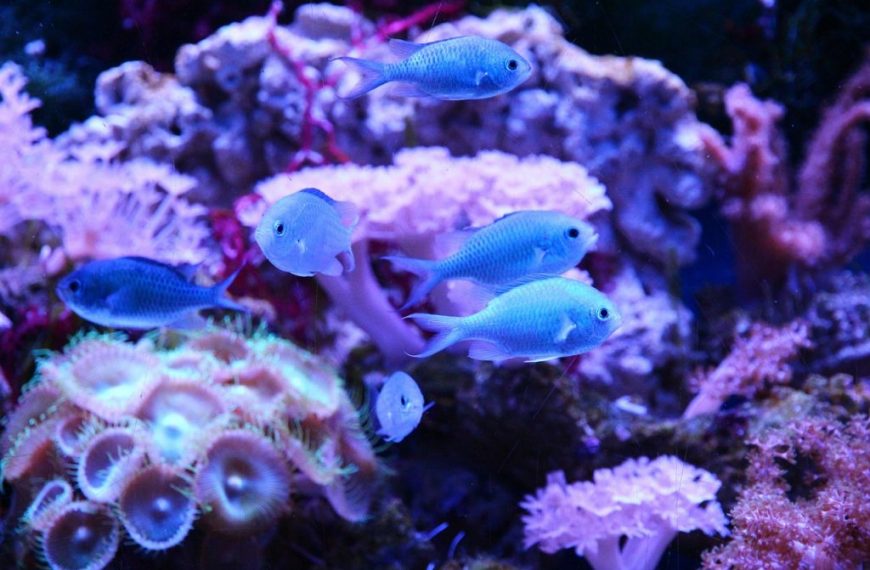
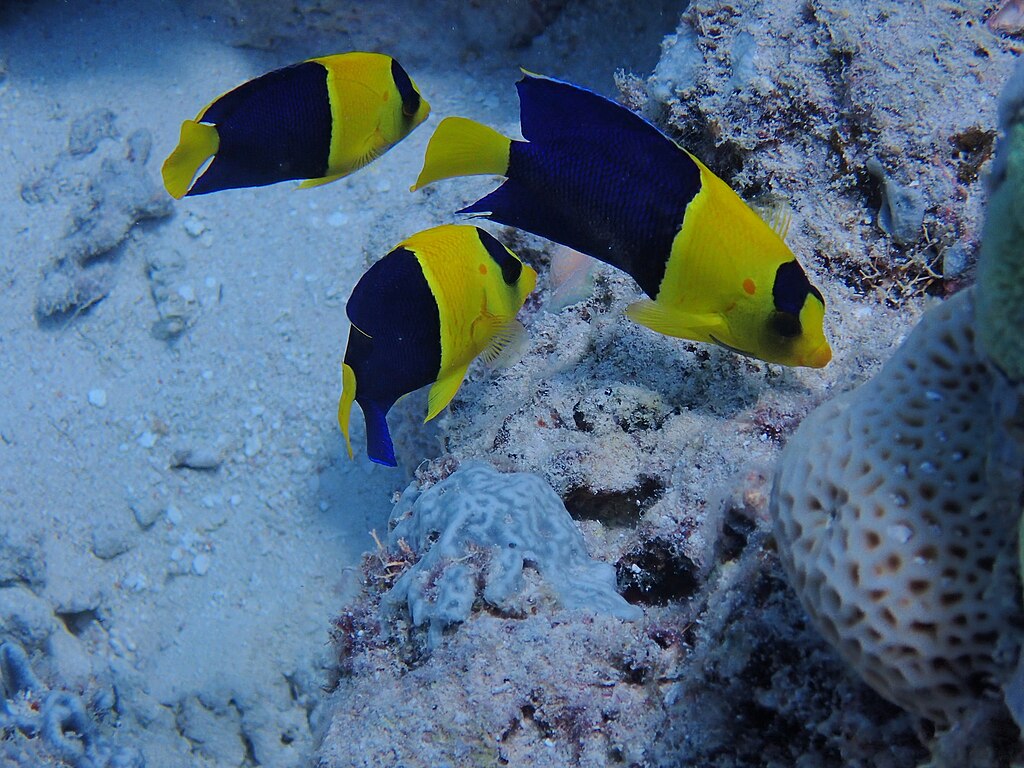
Good tankmates include larger wrasses, rabbitfish, dwarf angels with caution, and peaceful anthias groups. Avoid slow, timid fish that cannot compete at feeding time. Use multiple feeding stations to reduce chasing. Provide extra hiding spots for newcomers.
Quarantine for 30 days when possible. Use a bare tank with PVC elbows and a seeded sponge filter. Observe for ich, velvet, and bacterial fin issues. Many keepers use copper for 14–21 days, then observation. Match salinity and temperature during transfers.
Common mistakes are small tanks, weak flow, and low feeding frequency. Another issue is stray voltage and unstable heaters. If you see flashing, check for parasites and test water. If fins fray, improve nutrition and reduce aggression. If breathing is fast, increase aeration and check ammonia.
- Use an acclimation box for 2–5 days when adding new fish.
- Run carbon after medication and watch for appetite changes.
- Keep a spare heater and air pump for emergencies.
Sources: FishBase (Acanthurus guttatus species profile); Scott W. Michael, “Marine Fishes”; Humblefish disease management articles (general marine ich and quarantine methods).
Mustard Guttatus rewards good planning with constant motion and bold patterning. Give it space, strong oxygenation, and frequent algae-rich meals. With smart quarantine and stable parameters, it becomes a hardy, long-term show fish.
 By
By