Naso Tang (Naso lituratus): A Bold Beauty for Large Reef Tanks
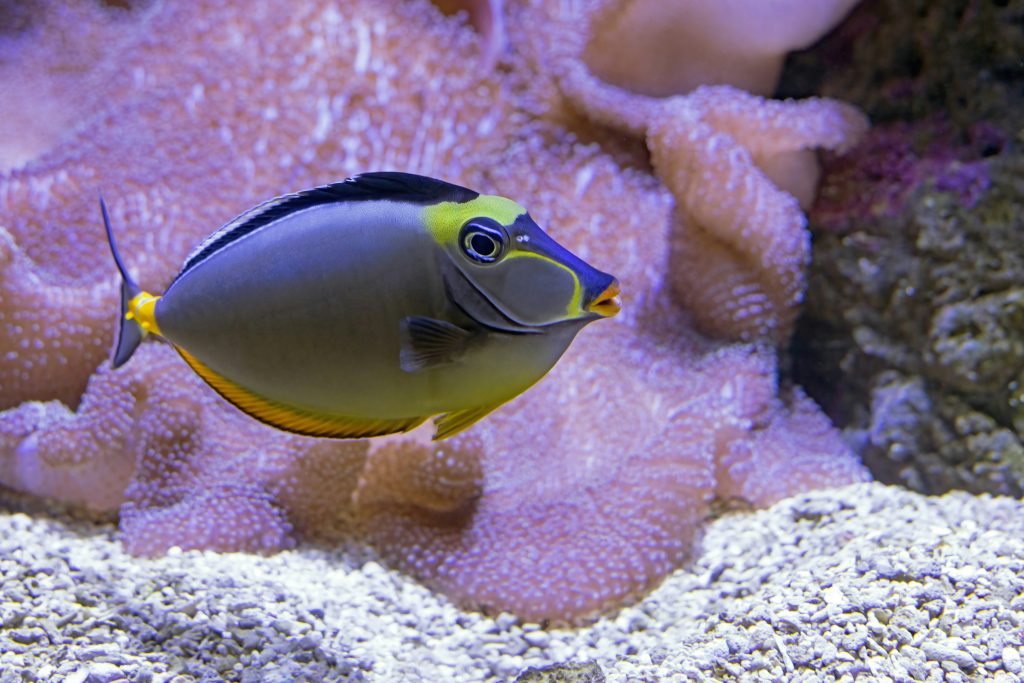
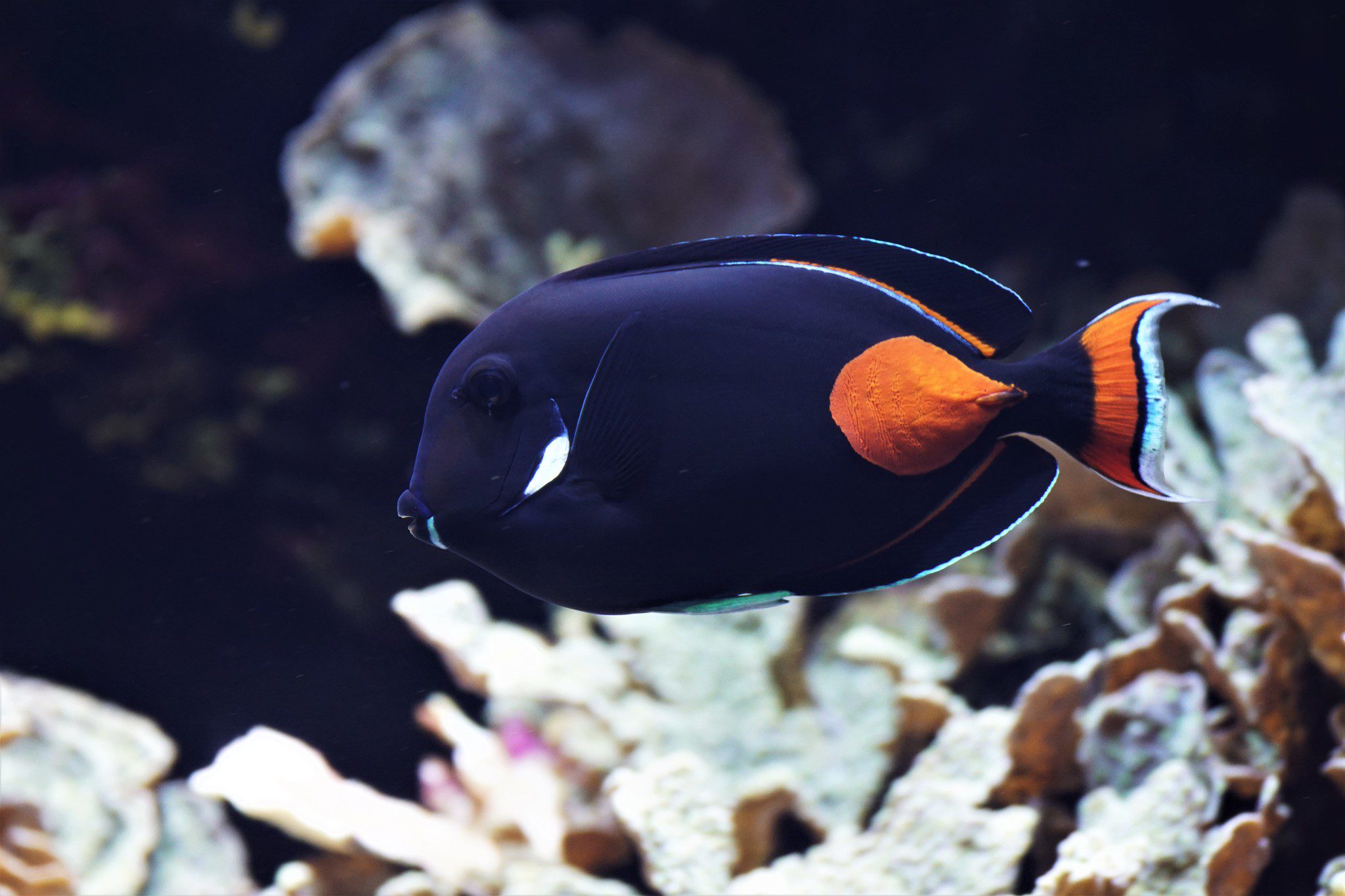
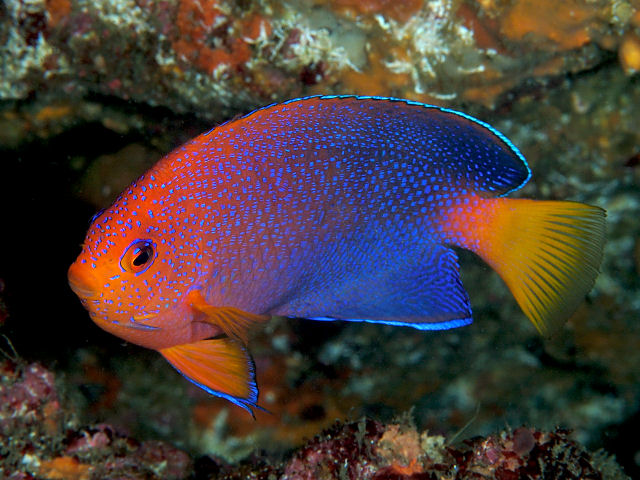
The Naso Tang (Naso lituratus), also called the Lipstick Tang or Orangespine Unicornfish, is a striking and active surgeonfish that instantly becomes the centerpiece of a large saltwater aquarium. With its long, sleek body, orange lips, and bright orange tail spines, this fish is a favorite among advanced hobbyists who can meet its demanding space and diet requirements.
Natural Behavior, Size, and Tank Requirements
In the wild, Naso Tangs cruise long stretches of reef, grazing on algae and open-water plankton. They are powerful swimmers that grow large, commonly 10–12 inches in captivity, and even larger in nature. Because of this, they are not suitable for small or even medium-sized aquariums.
For long-term success, plan for:
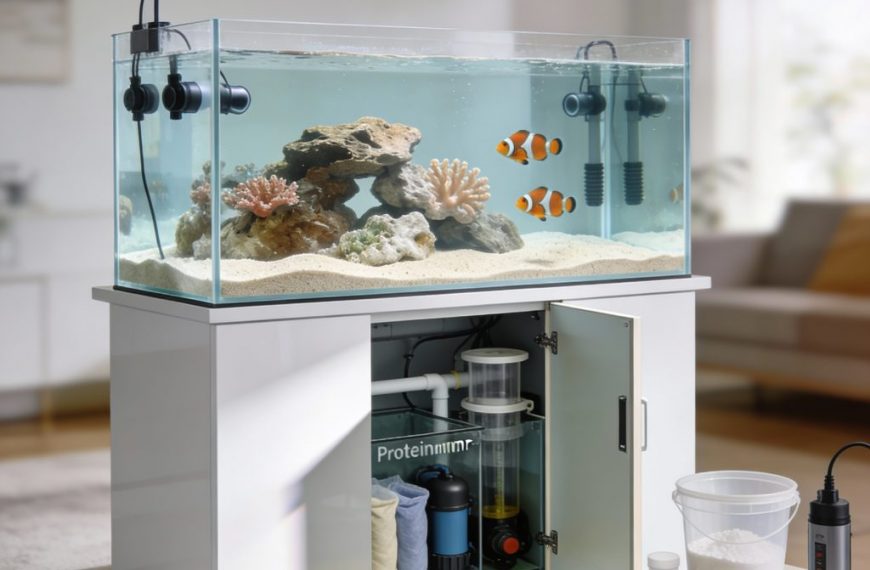
- Minimum tank size: 180 gallons (6 feet or longer) for a single adult.
- Plenty of open swimming space: Rockwork should be arranged in islands or along the back wall to leave long, clear swimming lanes.
- Strong, stable filtration: A quality protein skimmer and consistent nutrient export are essential for this heavy eater.
- High oxygenation: Strong surface agitation and good flow; Naso Tangs are sensitive to low oxygen levels.
They are generally peaceful toward other species but can show aggression toward other tangs, especially those with similar body shapes. If you plan a community with multiple surgeonfish, research compatibility and introduction order carefully, and consider reading our guide on fish compatibility and stocking order before adding a Naso Tang.
Diet, Health, and Day-to-Day Care
Naso Tangs are primarily herbivores but also consume planktonic foods. A varied, algae-rich diet is critical for their long-term health and coloration.
Feeding Your Naso Tang
- Offer nori (dried seaweed) daily on a clip; rotate between green, red, and brown varieties.
- Use high-quality herbivore pellets or flakes formulated for tangs.
- Supplement with frozen foods like mysis shrimp and enriched brine for variety.
- Add vitamin and garlic supplements occasionally to help support the immune system and appetite.
Hobbyist tip: Place multiple nori clips in different areas of the tank to reduce competition and aggression during feeding.
Health Concerns and Acclimation
Like many tangs, Naso Tangs are prone to marine ich (Cryptocaryon) and other external parasites, especially during shipping and acclimation. A proper quarantine protocol is highly recommended before adding them to your display tank.
- Acclimate slowly using a drip acclimation method to reduce stress.
- Observe closely for white spots, scratching, or rapid breathing during quarantine.
- Maintain stable parameters: temperature 76–80°F, salinity 1.024–1.026, and low nitrate levels.
Because they are constant grazers, a mature tank with established algae and biofilm is ideal. If you are still planning your system, our article on building a large reef tank for tangs and active swimmers can help you design a Naso-friendly layout from day one.
Is the Naso Tang Right for Your Aquarium?
The Naso Tang is an incredible show fish, but it is best reserved for aquarists with large, stable systems and a commitment to regular feeding and maintenance. In the right setup, it will reward you with constant motion, bold personality, and stunning coloration.
If you are just starting with surgeonfish, you may want to compare the Naso Tang with smaller, hardier species in our beginner-friendly tangs for reef tanks guide before making your final choice. For experienced keepers ready to provide ample space and nutrition, the Naso Tang can become the undisputed star of the reef.
Sources
- Michael, S. (2001). Surgeonfishes, Rabbitfishes and Their Relatives. Microcosm.
- Fenner, R. (2001). The Conscientious Marine Aquarist. TFH Publications.
- FishBase: Species summary for Naso lituratus.
 By
By