Aggression is common in marine tanks. It can ruin a healthy reef fast. The good news is you can plan around it.
Know what “aggressive” really means
Aggression has patterns. Some fish defend a cave or coral head. Others patrol the whole tank. Many turn mean during feeding time.
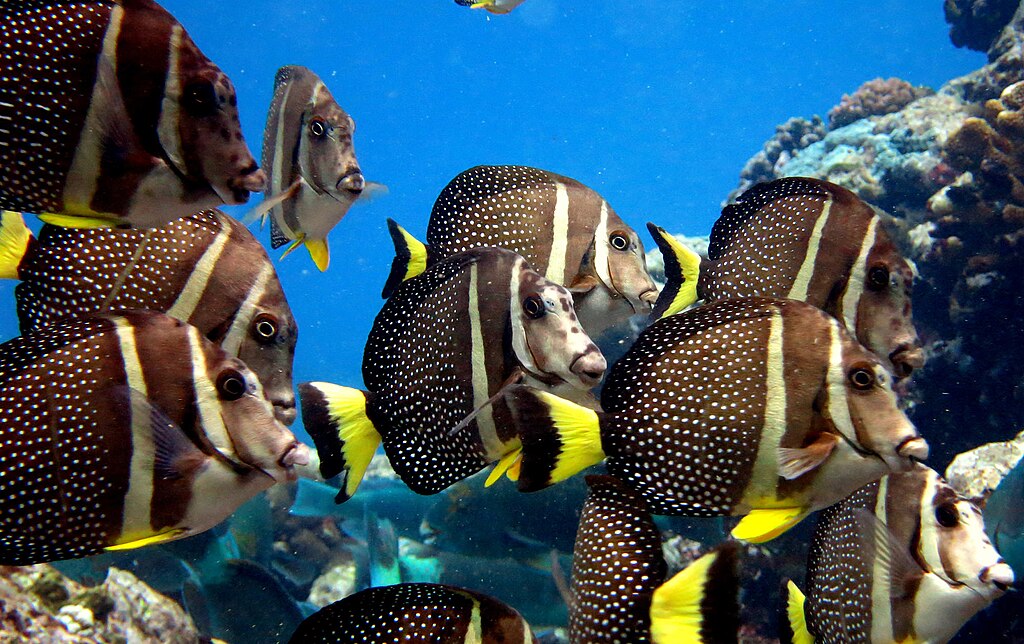
Size and shape matter a lot. Similar body shapes trigger fights. Two tangs with the same profile may spar all day. Two dottybacks may lock onto one victim.
Tank size sets the baseline. A 4-inch fish can dominate a 40-gallon tank. The same fish may behave in a 120-gallon system. Rockwork breaks sight lines and lowers stress.
Plan with real examples. A maroon clown often owns a third of the tank. A sixline wrasse can harass new gobies. A damsel may bully timid fish for months.
- Watch for torn fins, missing scales, and fish hiding all day.
- Look for “cornering” behavior near overflows and powerheads.
- Track feeding order. The same fish eating first is a clue.
Picking tankmates that can cope
Match confidence levels. Pair semi-aggressive fish with other sturdy species. Avoid mixing bullies with shy sand sleepers. A timid firefish often loses that contest.
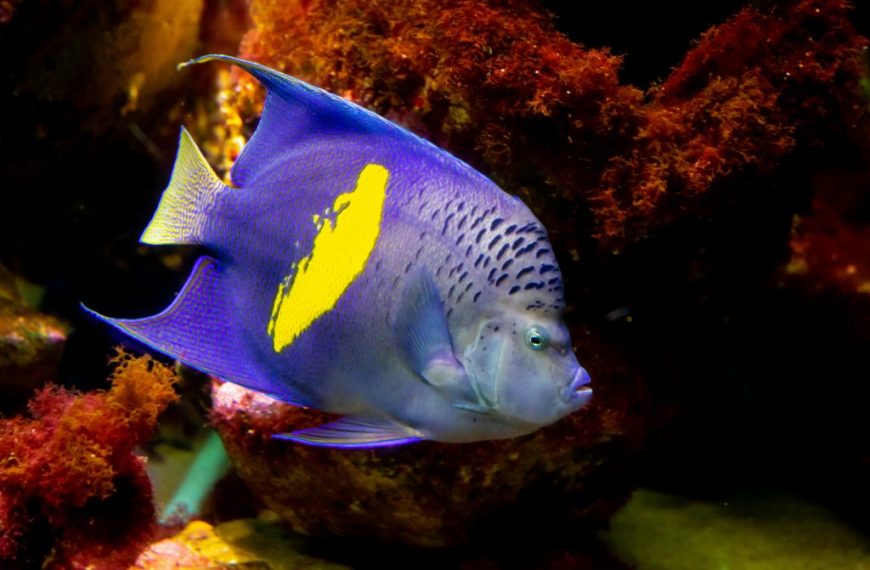
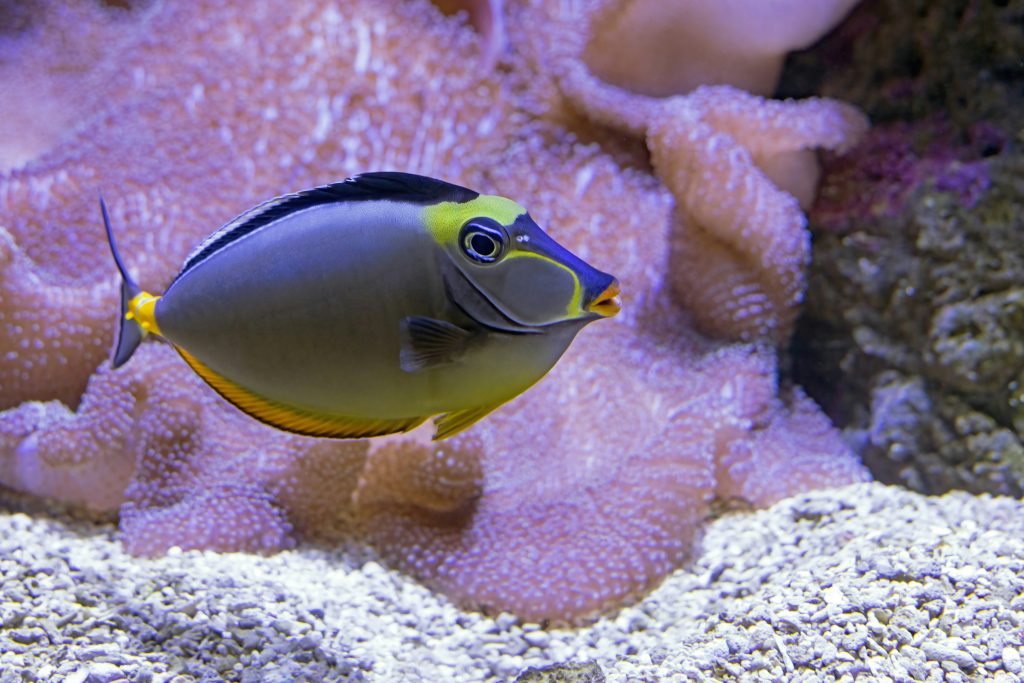
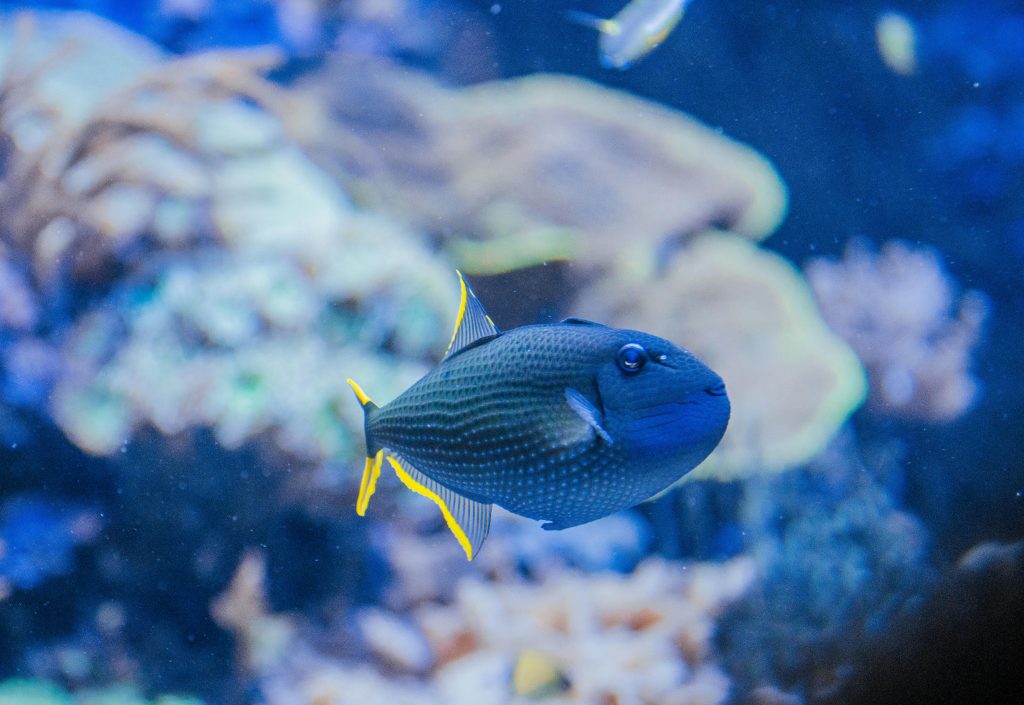
Use minimum tank sizes as guardrails. Keep most tangs in 75 gallons or more. Keep larger angels in 125 gallons or more. House triggerfish and big wrasses in 180 gallons or more.
Choose fish that occupy different zones. A blenny on rocks can work with a midwater anthias group. A sand-sifting goby can coexist with upper swimmers. This reduces direct overlap.
Build a “pecking order” on purpose. Add the most peaceful fish first. Add semi-aggressive fish later. Add the dominant fish last, after the tank feels established.
- Safer “tough” choices include foxface rabbitfish, bristletooth tangs, and many fairy wrasses.
- Avoid doubling up on dottybacks, hawkfish, and damsels in small tanks.
- Check adult size, not store size, before you buy.
For planning help, review quarantine for marine fish before any new addition. Also compare your layout to reef tank rockwork ideas. These two steps prevent many fights.
Tools to reduce aggression in real tanks
Quarantine protects health and behavior. Use a 10 to 20 gallon QT for small fish. Use a 29 to 40 gallon QT for larger fish. Observe for 14 to 30 days when possible.
Use an acclimation box in the display. Keep the new fish inside for 24 to 72 hours. Let the tank see it without contact. This often stops the first-day beatdown.
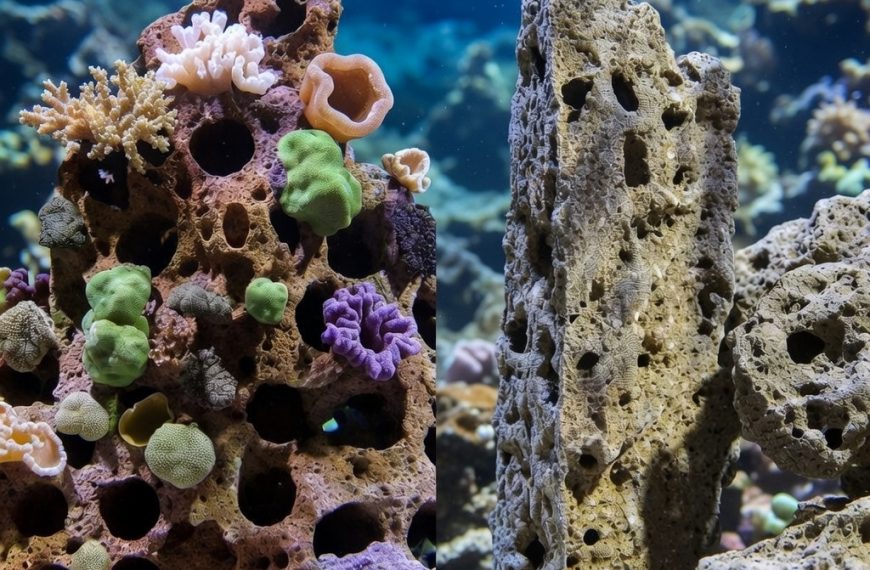
Rearrange rockwork before adding a bully. Move two or three key rocks. Create at least three caves and two swim-throughs. This resets territories and reduces chasing routes.
Feed to reduce conflict, but do not overfeed. Offer 2 small meals daily. Use a nori clip for grazers. Spread frozen food across the tank to break up swarms.
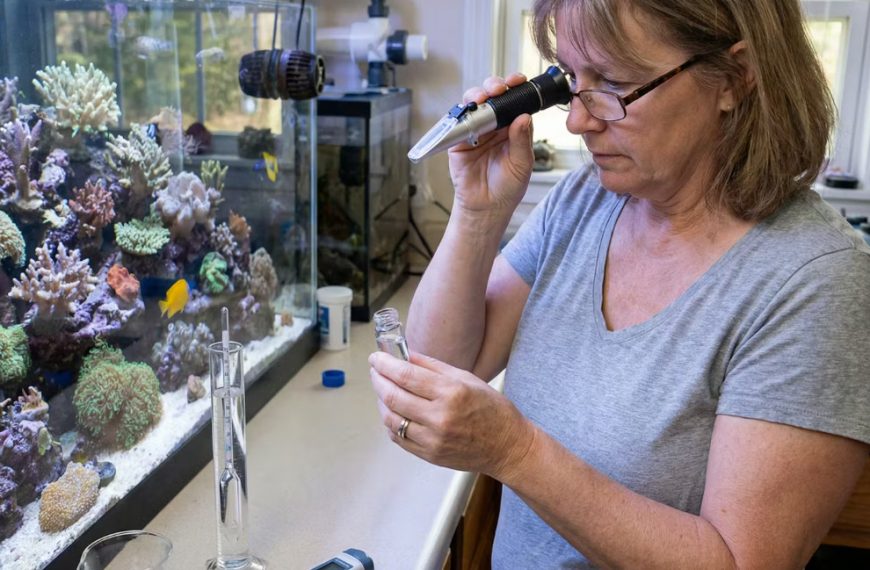
- Keep salinity 1.025 to 1.026 and temperature 77 to 79°F for stability.
- Keep ammonia and nitrite at 0 ppm. Keep nitrate under 20 ppm for most reefs.
- Use a fish trap on day one if a fish draws blood.
If fighting starts, act fast. Turn lights down for a day. Add a mirror for 10 minutes to distract a tang. If damage continues, remove the aggressor and reset.
For more stocking strategy, see how to stock a reef tank. A good plan beats constant rescues.
Sources: Fenner, R. “The Conscientious Marine Aquarist”; Sprung, J. & Delbeek, J. “The Reef Aquarium” Vol. 1–3; Michael, S. “Marine Fishes”
 By
By