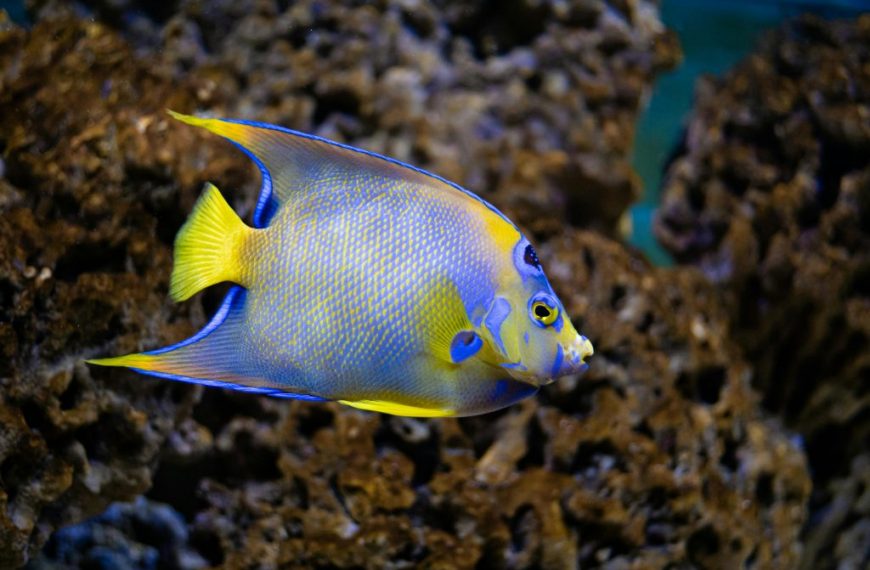
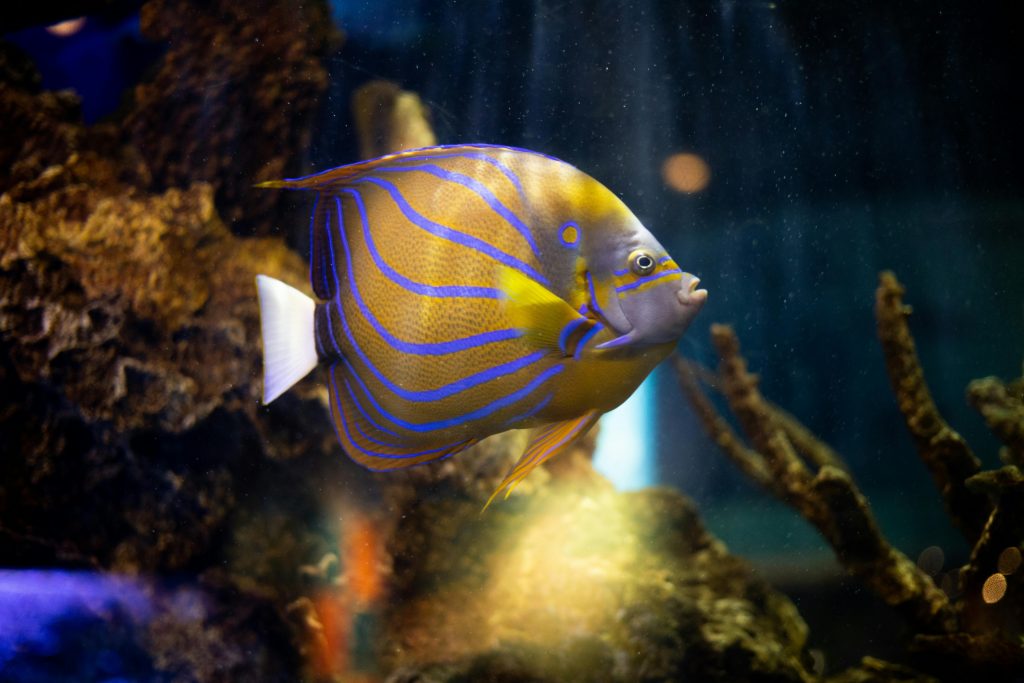
The Annularis Angelfish is a bold, blue showpiece with real attitude. It also has real needs. Plan the tank, diet, and stocking first, then buy the fish.
This species is not a “set and forget” angel. It can thrive for years with stable water and smart choices. The steps below help you avoid the common crash points.
Tank size, aquascape, and water parameters
Start with a large aquarium. Aim for 180 gallons minimum for an adult. Many specimens reach 14 inches. They also need long swimming lanes.
Build a rock structure with caves and shaded overhangs. Leave open sand and open water in front. Use 1 to 1.5 pounds of rock per gallon as a guide. Make sure the rock is stable and cannot shift.
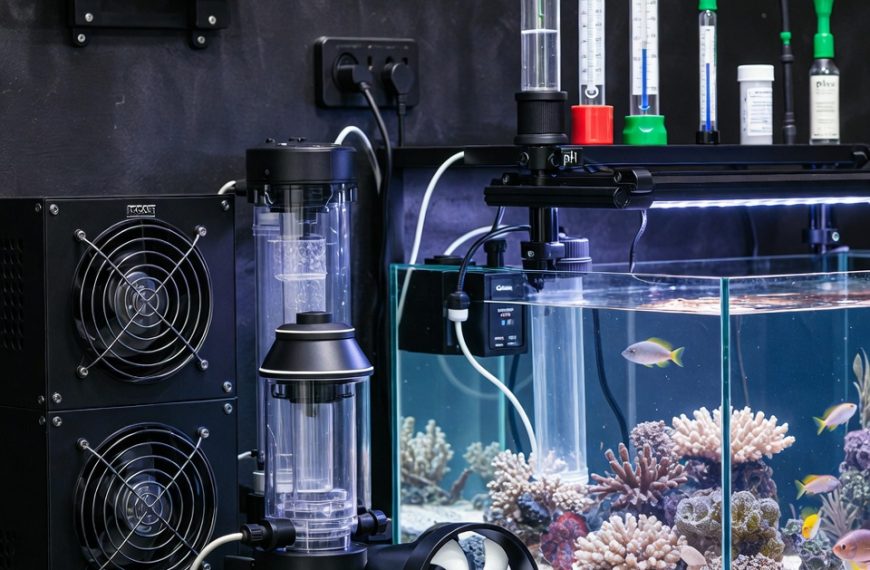
Keep parameters steady, not just “acceptable.” Target 25–26°C (77–79°F) and salinity 1.025–1.026. Keep pH at 8.1–8.4 and alkalinity 8–9 dKH. Hold nitrate at 5–20 ppm and phosphate at 0.03–0.10 ppm.
Use strong filtration and high oxygen levels. Aim for 10–20x turnover with mixed flow. Skimming should be consistent and dry. Review your routine in reef tank maintenance schedule.
- Use a tight lid, since startled angels can jump.
- Quarantine for 30 days in a 40–55 gallon tank.
- Match salinity within 0.001 during acclimation.
Feeding strategy for long-term health
Annularis angels are omnivores with a strong grazing drive. Feed 2–3 times daily for best body weight. Smaller, frequent meals reduce aggression. They also improve digestion.
Use a base of quality pellets and frozen blends. Add sponge-based angel formulas several times per week. Offer nori or red algae sheets on a clip. Remove uneaten algae after 4–6 hours.
Add variety to prevent HLLE and fading color. Soak foods in vitamins 2–3 times weekly. Include marine fats like omega-3 sources. If the fish refuses food, dim the lights and offer live blackworms temporarily.
Watch the belly line and dorsal thickness. A pinched head suggests underfeeding or parasites. White, stringy waste can mean internal issues. Use your quarantine tank to treat, not the display.
- Morning: pellets plus a small sheet of nori.
- Evening: frozen mysis, clam, and angel sponge mix.
- Twice weekly: vitamin soak and a small chunk of fresh seafood.
Compatibility, reef safety, and common mistakes
This angel can be semi-aggressive to aggressive. It often bullies new additions. Add it late in the stocking plan. Use an acclimation box for 3–7 days when needed.
Choose tankmates that can hold their ground. Large tangs, robust wrasses, and bigger anthias groups can work. Avoid shy fish like small gobies in open layouts. Skip other large Pomacanthus in most tanks.
Reef safety is mixed at best. Many individuals nip LPS, zoas, and clam mantles. Some ignore corals for months, then start sampling. If you keep it in a reef, accept some risk and plan backups.
Common mistakes include small tanks and unstable salinity. Another issue is buying a thin specimen. Pick a fish with full fins and clear eyes. Learn more in quarantine saltwater fish and marine ich treatment.
- Do not pair with timid butterflyfish in tight spaces.
- Keep hands off the rockwork after introduction.
- Test salinity weekly with a calibrated refractometer.
The Annularis Angelfish rewards planning and patience. Give it space, stable parameters, and frequent varied foods. Stock carefully and quarantine every time. Do that, and this blue giant can become your tank’s centerpiece for years.
Sources: FishBase (Pomacanthus annularis species summary); Scott W. Michael, “Angelfishes & Butterflyfishes”; Fenner, “The Conscientious Marine Aquarist.”
 By
By