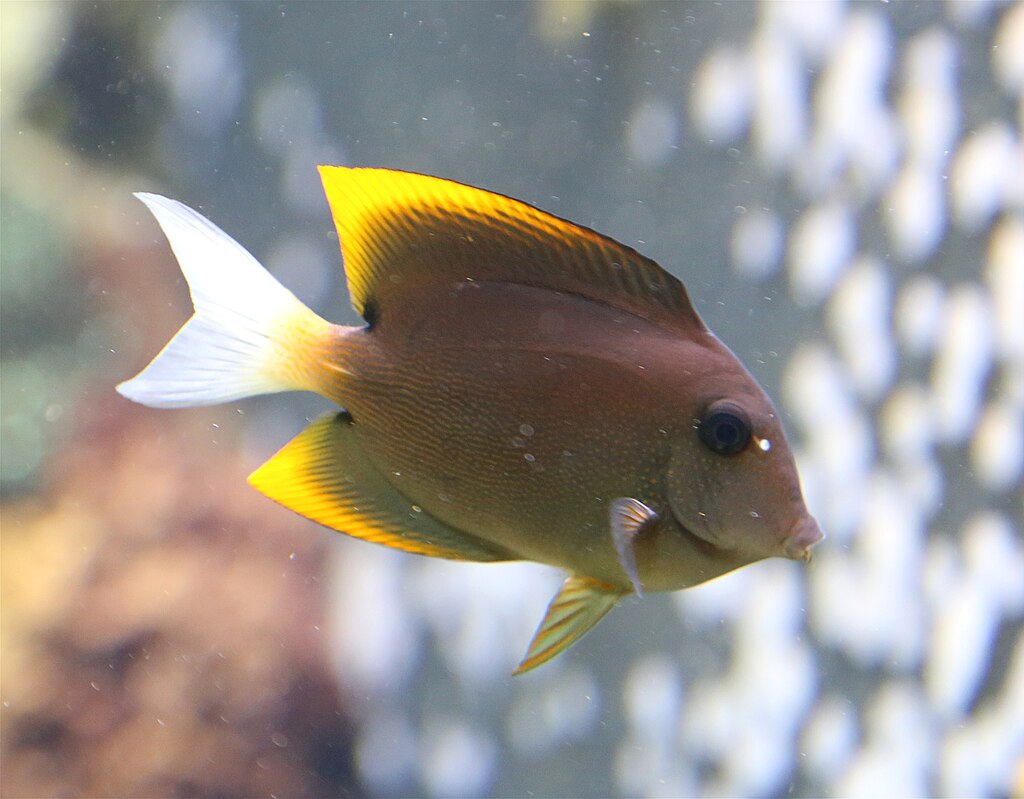
The Bristletooth Tomini Tang (Ctenochaetus tominiensis) is a compact, hardworking algae grazer. It fits smaller reef systems than many tangs. It still needs planning, stable water, and smart feeding.
Tank size, aquascape, and water targets
A Tomini Tang does best in a 70 gallon minimum tank. A 4 foot tank length helps swimming and reduces stress. Adults often reach 5 to 6 inches. They turn fast and graze all day.
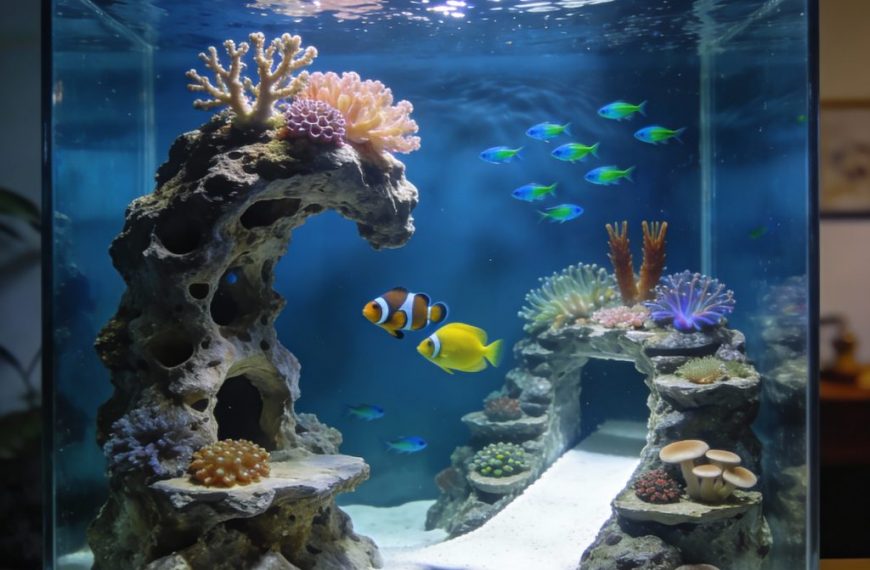
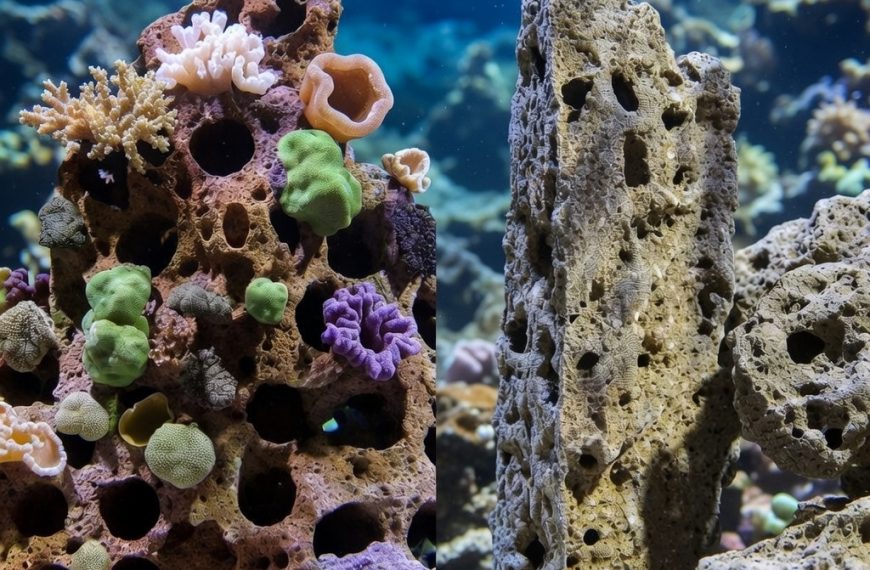
Build a rockscape with long grazing lanes and several caves. Leave open sand and open water in front. Aim for 1 to 1.5 pounds of porous rock per gallon. Add a few flat rocks for film algae growth.
Keep parameters stable and predictable. Target 78 to 79°F, salinity 1.025, and pH 8.1 to 8.4. Keep alkalinity 8 to 9 dKH and nitrate 5 to 15 ppm. Keep phosphate 0.03 to 0.10 ppm for steady algae and coral health.
Use strong oxygenation and steady flow. Aiming for 20 to 40x turnover helps export waste. Run a skimmer sized for your system volume. Learn more in reef tank water parameters.
- Provide at least two hiding spots to reduce nighttime stress.
- Use a tight lid, since tangs can spook and jump.
- Quarantine all new fish for 30 days when possible.
Diet, grazing behavior, and daily care
Tomini Tangs are detritus and film algae specialists. Their bristle teeth scrape rocks and glass. They will not replace a clean-up crew. They do reduce brown film and light turf algae.
Feed small amounts two to three times daily. Offer a 2×2 inch nori sheet on a clip each morning. Remove leftovers after two hours. In the evening, feed frozen mysis or brine plus spirulina.
Add a pellet option for consistency. Use a 1 mm marine herbivore pellet once daily. Soak food in vitamins twice weekly. Include occasional meaty foods for fats and protein.
Watch body shape for early warnings. A pinched belly means too little food or competition. Pale color can mean stress or low oxygen. Review feeding routines in how to feed reef fish.
- Clip nori in two locations to reduce guarding behavior.
- Rotate foods: nori, spirulina flakes, mysis, and quality pellets.
- Keep a small patch of algae on one rock as a grazing station.
Temperament, compatibility, and troubleshooting
Tomini Tangs are often peaceful but can be territorial. They may chase new additions that look similar. Introduce them after timid fish in smaller tanks. In larger tanks, they can go in earlier.
Avoid mixing with other Ctenochaetus in under 125 gallons. Also avoid adding another tang of similar size in a 4 foot tank. If you try, add both at the same time. Use an acclimation box for 3 to 5 days.
Common mistakes involve nutrient stripping and underfeeding. Ultra-low nitrate can reduce natural grazing. It can also increase aggression at feeding time. Keep nitrate above 2 ppm and feed more often.
Ich and velvet are real risks for tangs. Quarantine with observation and proactive treatment when needed. Keep a spare heater, air stone, and test kit ready. For step-by-step planning, see quarantine saltwater fish.
- If chasing starts, rearrange one rock section to reset territories.
- If algae vanishes, increase feeding and reduce export slightly.
- If breathing is fast, check temperature, oxygen, and ammonia first.
The Bristletooth Tomini Tang is a great choice for many reef tanks. Give it space, stable parameters, and frequent herbivore foods. With good quarantine and steady routines, it stays active and reef-safe for years.
Sources: FishBase (Ctenochaetus tominiensis species summary); Scott W. Michael, Reef Fishes Volume 1; Fenner, The Conscientious Marine Aquarist.
 By
By