Montipora Care: Colorful Plates, Branches, and Encrusting Corals
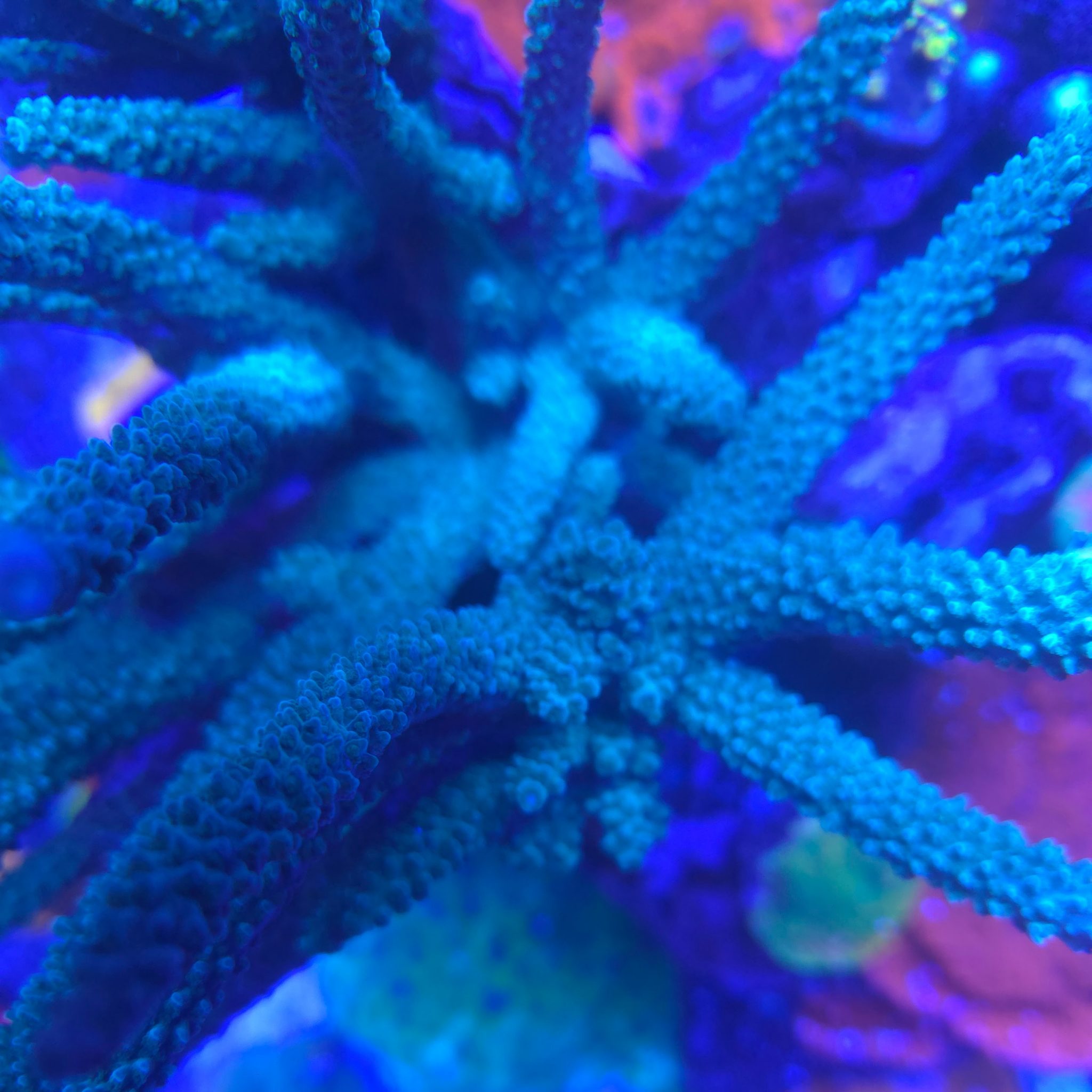
Montipora sp. are among the most rewarding SPS (small polyp stony) corals in the saltwater aquarium hobby. They grow in plates, branching forms, and encrusting mats, offering incredible color and texture for reef tanks. While they’re considered more forgiving than Acropora, Montipora still demand stable water, strong light, and good flow. This guide covers the key aspects of Montipora care so you can keep these corals thriving long term.
Ideal Tank Conditions for Montipora
Before adding Montipora, aim for a mature, stable reef system—usually 6+ months old. These corals respond poorly to swings in parameters, so consistency is more important than chasing perfect numbers.
Water Parameters
- Temperature: 24–26°C (75–78°F)
- Salinity: 1.025–1.026 specific gravity
- Alkalinity: 8–9.5 dKH (keep swings < 0.5 dKH per day)
- Calcium: 400–450 ppm
- Magnesium: 1300–1400 ppm
- Nitrate: 2–15 ppm
- Phosphate: 0.03–0.10 ppm
Montipora generally dislikes ultra-low nutrients. Slightly elevated nitrate and phosphate often produce better color and growth than a “sterile” tank.
Lighting and Flow
Most Montipora species do best under moderate to high PAR and strong, indirect flow:
- PAR range: 200–350 for most plating and branching varieties; some encrusting types can thrive a bit lower.
- Lighting types: LED, T5, or hybrid systems all work well if spread and spectrum are balanced.
- Flow: Strong, random flow that keeps detritus off the coral but doesn’t blast tissue directly.
Tip: Start new Montipora frags lower in the tank and gradually move them up over 2–3 weeks to avoid light shock, especially under powerful LEDs.
Placement, Growth Forms, and Maintenance
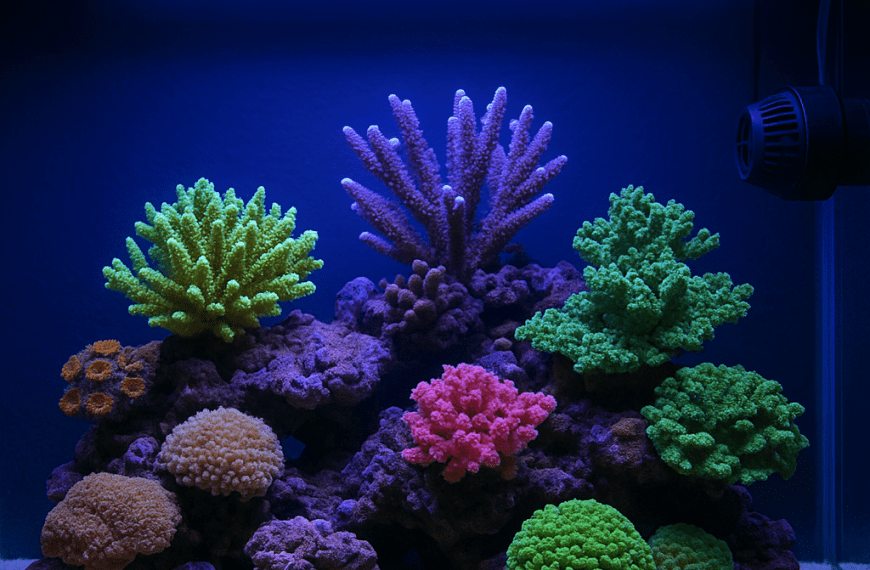
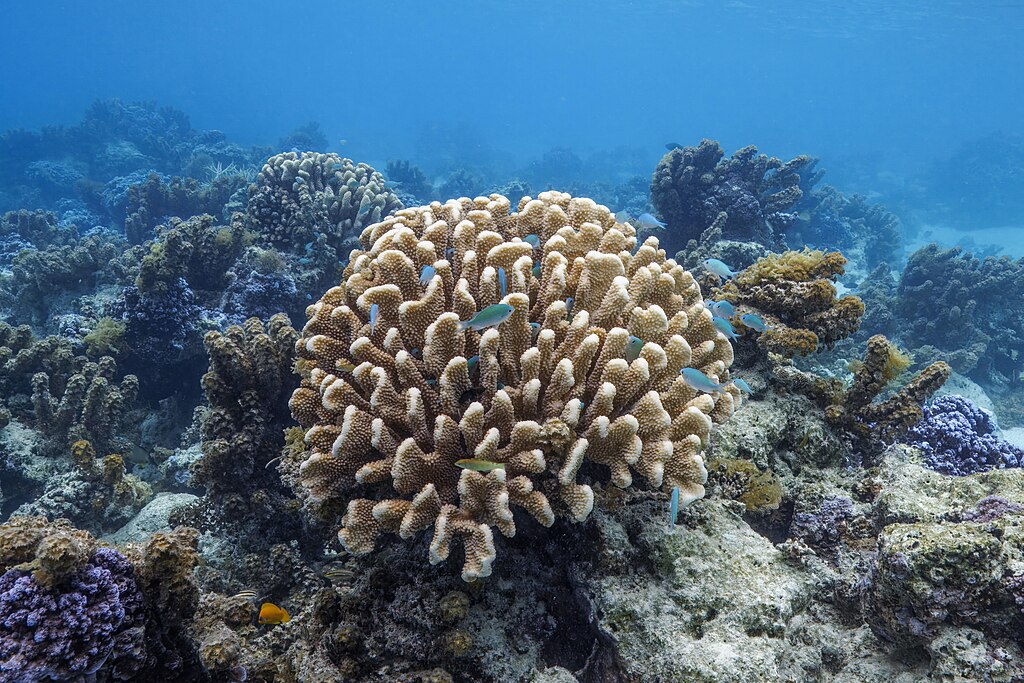
Montipora comes in three common growth forms: plating (e.g., Montipora capricornis), branching (Montipora digitata), and encrusting varieties. Plan your aquascape with their eventual size in mind.
- Plating Montipora: Place mid-to-high on rockwork with room above and below; they can shade corals underneath as they grow.
- Branching Montipora: Great for vertical spaces and mid-level rock ledges; they respond well to strong, turbulent flow.
- Encrusting Montipora: Ideal for covering bare rock; avoid placing them where they can overgrow prized neighbors.
Regularly inspect for shading and contact with other corals. Montipora are not the most aggressive corals, but they can lose battles with some LPS and soft corals that have long sweeper tentacles.
Feeding and Supplementation
Montipora relies heavily on light and dissolved nutrients, but it can benefit from:
- Fine particulate coral foods (broadcast fed 1–2x per week)
- Amino acid supplements, used sparingly
- Stable dosing of alkalinity, calcium, and magnesium as colonies grow
As your Montipora colonies increase in size, their demand for calcium and alkalinity can rise quickly. An automated dosing system is often the easiest way to maintain stability in a Montipora-dominated tank.
Common Problems and Practical Tips
Montipora can be an early indicator of water quality issues. Faded colors, tissue recession, or sudden polyp retraction often signal a problem.
- Fading or browning: Often tied to lighting changes or nutrient swings—check PAR and test nitrate/phosphate.
- Slow tissue loss: Can be caused by unstable alkalinity or pests such as Montipora-eating nudibranchs.
- Algae on skeleton: Usually indicates dead tissue from shading or poor flow; adjust placement and flow.
For pest prevention, dip all new Montipora frags and quarantine when possible. Regular night-time inspections with a flashlight help you catch nudibranchs or other pests early. For more on preparing a stable system before adding SPS, see our guide on starting your first reef tank. If you’re upgrading gear, our reef tank lighting guide can help you match PAR and spectrum to your Montipora collection.
With stable parameters, thoughtful placement, and attentive observation, Montipora sp. can become fast-growing, colorful centerpieces in your reef. As they plate, branch, and encrust across your rockwork, you’ll see why so many hobbyists consider Montipora the perfect bridge between beginner corals and the most demanding SPS species.
Sources
- Borneman, E. H. Aquarium Corals. TFH Publications.
- Sprung, J. Corals: A Quick Reference Guide. Ricordea Publishing.
- Advanced Aquarist & Reef2Reef community articles and hobbyist reports on Montipora husbandry.
 By
By