Dialing In the Perfect Reef Tank Flow Setup
Flow is the heartbeat of a reef tank. A good reef tank flow setup keeps detritus suspended, delivers oxygen and nutrients to corals, and helps prevent algae from taking over. Too little flow and your tank looks stagnant; too much and your corals stay closed and stressed. In this post, we’ll walk through how to plan, place, and tune your pumps so your reef thrives.
How Much Flow Does Your Reef Tank Need?
Reef keepers often talk about turnover rate: how many times per hour your total water volume passes in front of your powerheads and return nozzles. While every tank is different, these ranges are a solid starting point:
- Soft coral and LPS tanks: 10–20x display volume per hour
- Mixed reefs: 20–30x display volume per hour
- SPS-dominated reefs: 30–50x (or more) display volume per hour
These numbers are guidelines, not strict rules. Coral polyp extension, sand movement, and detritus buildup will tell you more than a calculator. If you’re still planning your system, pairing your flow design with your reef tank filtration setup makes it easier to hit your target turnover without creating a sandstorm.
Strategic Pump Placement and Flow Patterns
Great reef tank flow is less about brute force and more about smart placement and patterns. Your goal is to create random, indirect flow that reaches every corner of the tank.
Positioning Powerheads
- Aim across the length, not straight at the glass: Let the flow bounce off the opposite pane to diffuse it and reduce harsh jets on corals.
- Use opposing pumps: Place two pumps on opposite sides of the tank, staggered in height, to create intersecting currents and natural turbulence.
- Keep pumps slightly below the surface: This reduces splashing while still promoting surface agitation and gas exchange.
- Watch your sand bed: If bare glass is showing, angle pumps slightly up or reduce intensity; if detritus is settling, increase flow or adjust direction.
Creating Natural Flow Modes
Modern wavemakers and controllers make it easy to simulate ocean conditions. Once your hardware is placed, experiment with modes:
- Random/reef mode: Varies speed and direction, ideal for mixed reefs and SPS.
- Pulsing/gyre mode: Creates a circular flow that sweeps detritus to the overflow.
- Night mode: Slightly reduced flow after lights out to mimic calmer nighttime seas.
Whenever you change modes, observe your corals for a few days. You should see good polyp extension, gentle swaying, and no tissue being blasted or peeled back.
Fine-Tuning Flow for Coral Health
Once your base reef tank flow setup is running, it’s time to fine-tune. This is where your livestock’s behavior becomes your best guide.
- Soft corals (zoas, leathers): Prefer moderate, varied flow. They should gently wave, not whip back and forth.
- LPS (hammers, torches, brains): Enjoy moderate, indirect flow. Flesh should puff and sway; if skeleton is exposed, reduce direct flow.
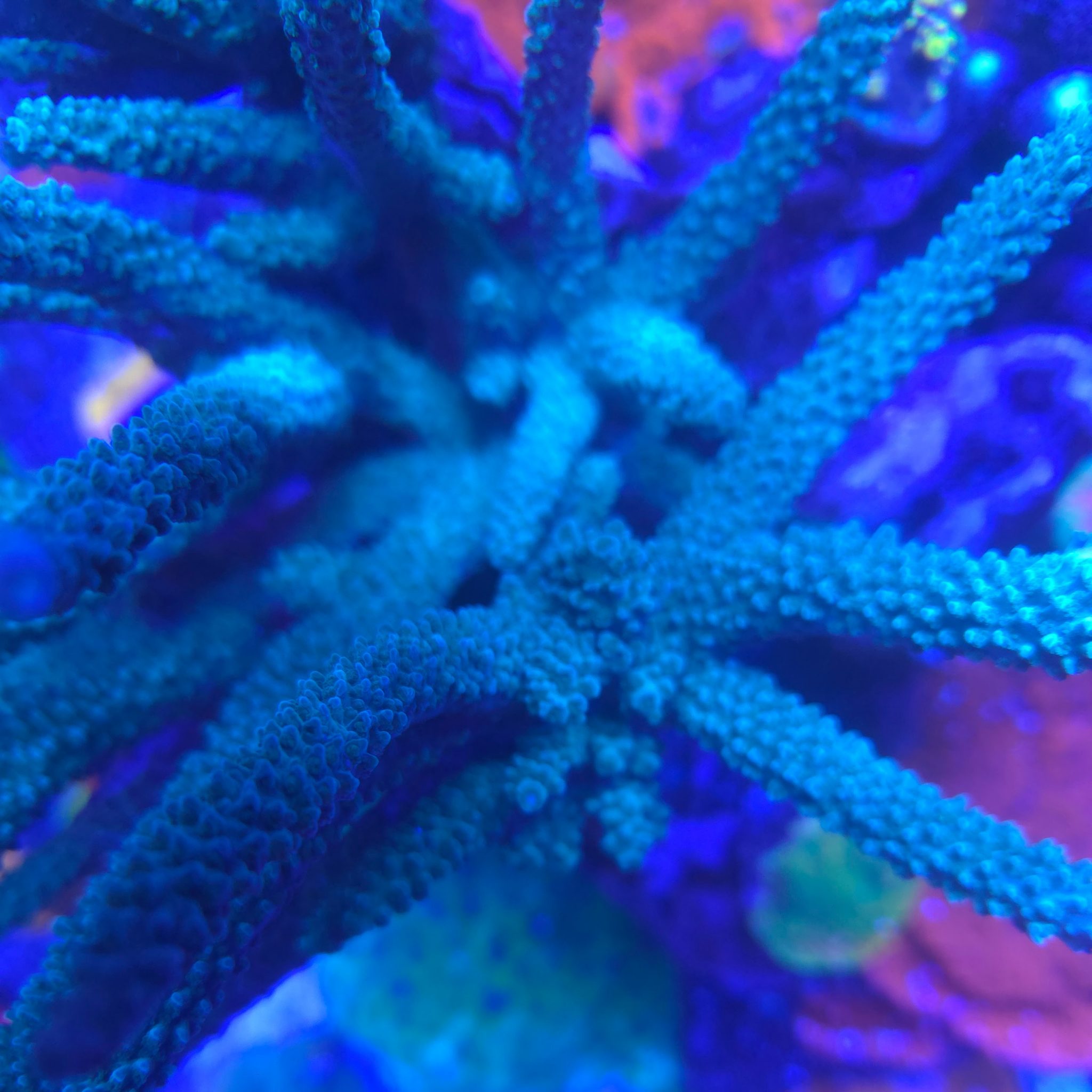
- SPS (Acropora, Montipora): Thrive in strong, chaotic flow. Polyp extension should remain good with no tissue recession on high-flow sides.
As corals grow, they change the way water moves in your tank. Plan to revisit flow every few months, especially after adding new rock or large colonies. Pair your adjustments with smart aquascape design so water can move around and through your rockwork, not just in front of it.
Tip: Drop a pinch of fine food or use a turkey baster to blow detritus off the rocks. Watch where particles travel and where they settle—those dead spots are where you need more flow.
In the end, the best reef tank flow setup is the one your corals “vote for” with open polyps, healthy growth, and clean rockwork. Start with reasonable turnover, place pumps thoughtfully, use your controller to create randomness, and keep tweaking as your reef matures. Over time, you’ll learn to read the water movement in your tank as clearly as your test kits.
Sources used: General best practices compiled from hobbyist experience and manufacturer guidelines from Ecotech Marine Vortech pump manuals, Tunze Turbelle stream pump documentation, and Bulk Reef Supply educational articles and videos on reef tank flow theory and setup.
 By
By