A beginner quarantine tank protects your display from pests and disease. It also gives new fish time to eat well and recover from shipping. A simple setup works if you keep it stable and easy to clean.
Section 1: Choose the right tank and equipment
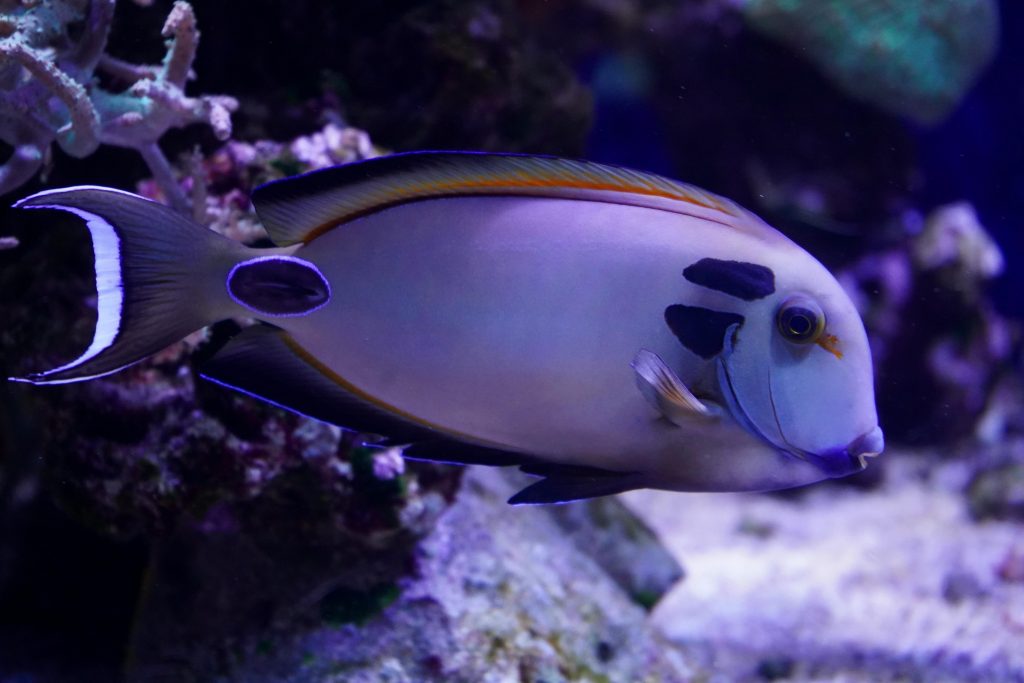
Pick a tank size that matches your fish. A 10-gallon works for small gobies. A 20-gallon long suits most beginner purchases. Use 29 to 40 gallons for tangs and angels.
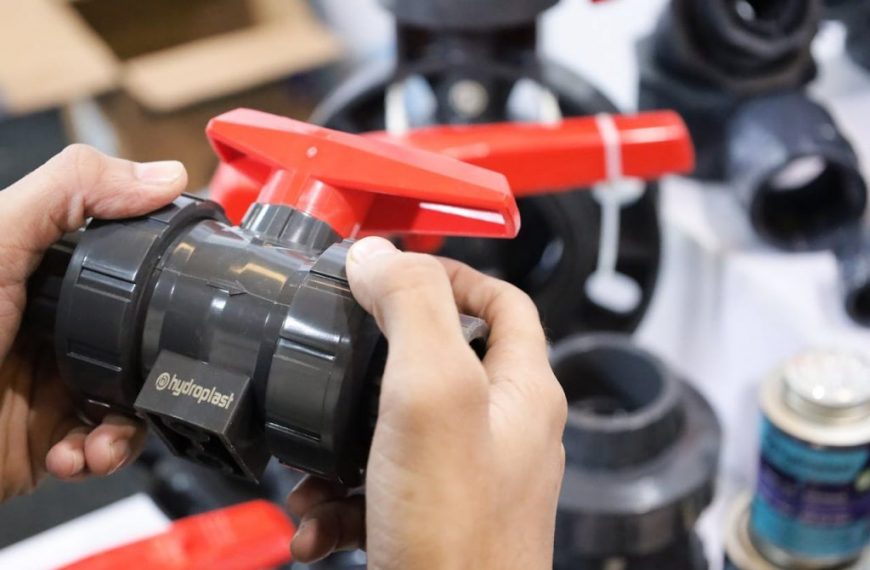
Use a bare bottom tank for fast cleaning. Add PVC elbows for hiding. Use 1 to 3 pieces sized to the fish. Avoid live rock in quarantine. Rock can absorb copper and medications.
Run a sponge filter or small HOB filter. Seed the sponge in your sump for 2 weeks. If you cannot seed it, plan on daily testing. Add a heater and a simple thermometer. Aim for 77–79°F with under 1°F swing.
Keep light low to reduce stress. Use a lid or mesh cover. Many fish jump on night one. Add an air stone if you medicate. Many meds reduce oxygen.
- Tank: 10–20 gallons for most starters, larger for active fish
- Filter: seeded sponge filter plus air pump
- Hides: 2–3 PVC pieces, no sand or rock
- Tools: ammonia test, copper test if used, siphon, bucket
For more stability tips, see how to cycle a saltwater tank. For better gas exchange, review protein skimmer basics.
Section 2: Water parameters and daily routine
Match your display salinity to reduce stress. Most reef tanks sit at 1.025 specific gravity. Fish-only systems often run 1.021–1.023. Keep quarantine stable within 0.001 each day.
Test ammonia every day for the first week. Keep ammonia at 0 ppm. Use an alert badge plus a liquid test. If ammonia hits 0.25 ppm, do a 25–50% water change. Dose a detoxifier only as a short-term bridge.
Feed small meals two to three times daily. Remove leftovers after five minutes. Offer frozen mysis, pellets, and nori for grazers. A new fish that eats on day two is a good sign.
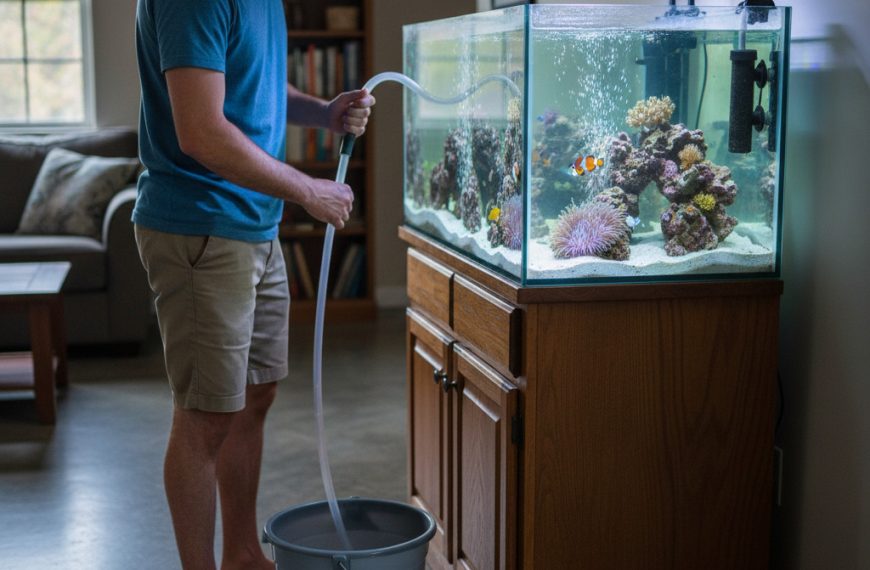
Do 10–20% water changes every 2–3 days early on. After week one, many tanks can switch to twice weekly. Mix saltwater for 24 hours with heat and flow. Match temperature within 1°F before changing.
- Target parameters: 77–79°F, pH 8.0–8.3, salinity 1.021–1.025
- Ammonia: 0 ppm, nitrite low, nitrate under 20–40 ppm
- Water change trigger: 0.25 ppm ammonia or heavy waste
Need a steady baseline? Use reef tank water parameters as your checklist.
Optional Section 3: Observation, treatment, and common mistakes
Plan on 30 days of quarantine for most fish. Use the first week for observation. Watch breathing rate, flashing, and fin damage. Look for white spots that come and go. That pattern can suggest ich.
Only medicate when you have a reason. Many beginners treat everything at once. That can stress fish and crash biofilters. If you choose copper, use a test kit made for your copper type. Keep therapeutic copper stable for 14–30 days, per product guidance.
Have a plan for parasites and worms. Praziquantel is common for flukes. It can lower oxygen, so add air. Do not run carbon during dosing. Remove carbon and resins before any medication.
Common mistakes include skipping a lid, overfeeding, and using display nets. Use dedicated tools for quarantine. Label buckets and siphons. Disinfect with a 10% bleach solution, then air dry fully.
- Stress signs: clamped fins, hiding all day, rapid breathing, not eating
- Quick fixes: dim lights, add more PVC, increase aeration, reduce feeding
- Biofilter rescue: water change, seeded sponge, and careful feeding
Sources: Humblefish Disease Forum articles; Noga, Fish Disease: Diagnosis and Treatment; Fenner, The Conscientious Marine Aquarist.
A quarantine tank does not need to be fancy. It needs stable heat, clean water, and close observation. Start simple, keep notes, and you will protect your display long term.
 By
By