
If you’re looking for a hardy, eye-catching invertebrate that actually earns its keep, the Blood Red Fire Shrimp (Lysmata debelius) is hard to beat. With its deep crimson body, bright white spots, and long antennae, this shrimp becomes an instant focal point in any reef tank—and it often doubles as a cleaner for your fish.
Natural Behavior & Aquarium Requirements
Blood Red Fire Shrimp are cleaner shrimp that naturally set up shop in rocky crevices, waiting for fish to visit for a quick grooming session. In the aquarium, they tend to be shy at first, often hanging under ledges or in shaded areas until they feel secure.
Tank Size, Water Parameters & Setup
- Minimum tank size: 20 gallons for a single shrimp; larger systems are better if keeping multiples.
- Temperature: 76–80°F (24–27°C)
- Salinity: 1.024–1.026 specific gravity
- pH: 8.1–8.4
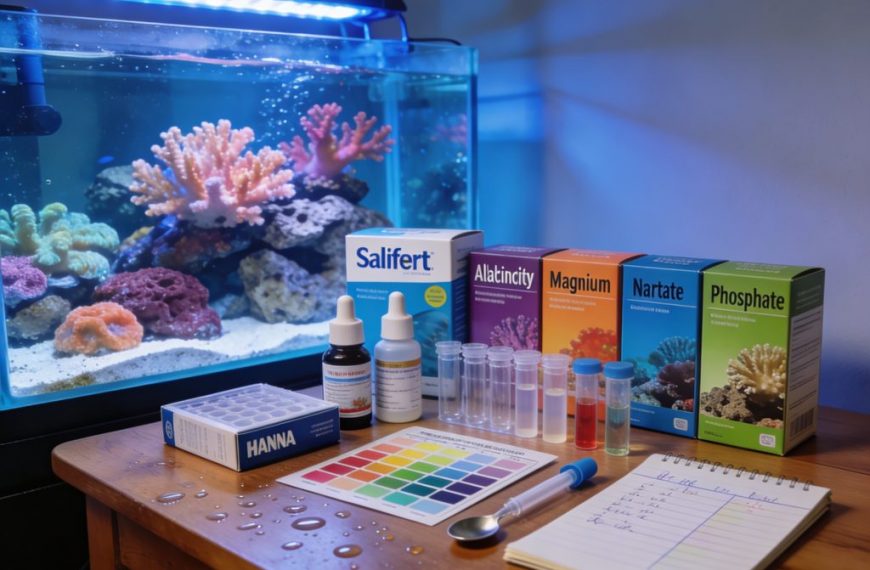
- Alkalinity: 8–11 dKH
Provide plenty of rockwork with caves and overhangs. These shrimp dislike harsh lighting and will gravitate to shaded or low-flow zones. A tight-fitting lid is important; startled shrimp can jump.
Tip: Stable parameters matter more than chasing “perfect” numbers. Avoid sudden swings in salinity and temperature, especially during water changes.
If you’re building a new reef and want more invertebrate ideas, check out our guide on choosing a clean-up crew for reef tanks.
Diet, Compatibility & Cleaning Behavior
Although they’re known as cleaner shrimp, Blood Red Fire Shrimp shouldn’t be expected to live on parasites alone. In most aquariums, they behave more like opportunistic omnivores.
Feeding Your Blood Red Fire Shrimp
- Offer a mix of frozen foods (mysis, brine, finely chopped seafood).
- Supplement with high-quality marine pellets or flakes.
- Target feed occasionally with a turkey baster or feeding pipette so bolder fish don’t steal everything.
They’ll also scavenge leftover food from the substrate and rockwork, helping reduce waste. Don’t rely on this alone, though—underfed shrimp become reclusive and may pick at weaker tankmates.
Tankmates & Temperament
Blood Red Fire Shrimp are generally peaceful with fish and coral, making them ideal for mixed reef aquariums. They can be territorial with their own kind, especially in smaller tanks, so keep either a single shrimp or a known pair unless your system is large and heavily aquascaped.
- Good tankmates: clownfish, gobies, wrasses (reef-safe), dwarf angelfish, and most other peaceful reef fish.
- Use caution with: hawkfish, larger wrasses, triggers, and puffers, which may view shrimp as food.
If you’re planning a community reef, you might also enjoy our article on best fish for reef tanks for compatible species ideas.
Molting, Acclimation & Long-Term Care
Like all crustaceans, Blood Red Fire Shrimp molt as they grow. You may find a perfect “ghost” shell in the rockwork—this is normal and not a sign of death.
- Provide hiding spots so the shrimp can stay out of sight while its new shell hardens.
- Maintain adequate calcium and trace elements through regular water changes.
- Never remove the molt immediately; the shrimp may consume it for extra minerals.
Acclimate new shrimp slowly using a drip method over 45–60 minutes. They are sensitive to changes in salinity and pH. Once settled, they can live several years and become a familiar, interactive resident—especially at feeding time.
For more in-depth invertebrate care, see our overview of beginner-friendly reef invertebrates to pair with your Blood Red Fire Shrimp.
With stable water, thoughtful tankmates, and regular feeding, the Blood Red Fire Shrimp brings both beauty and function to your marine aquarium, rewarding patient hobbyists with fascinating behavior and vibrant color for years.
Sources
- Sprung, J. & Delbeek, J. C. The Reef Aquarium, Vol. 1–3.
- Michael, S. W. Reef Invertebrates. Microcosm/TFH.
- Calfo, A. & Fenner, R. Reef Invertebrates: An Essential Guide to Selection, Care and Compatibility.
 By
By