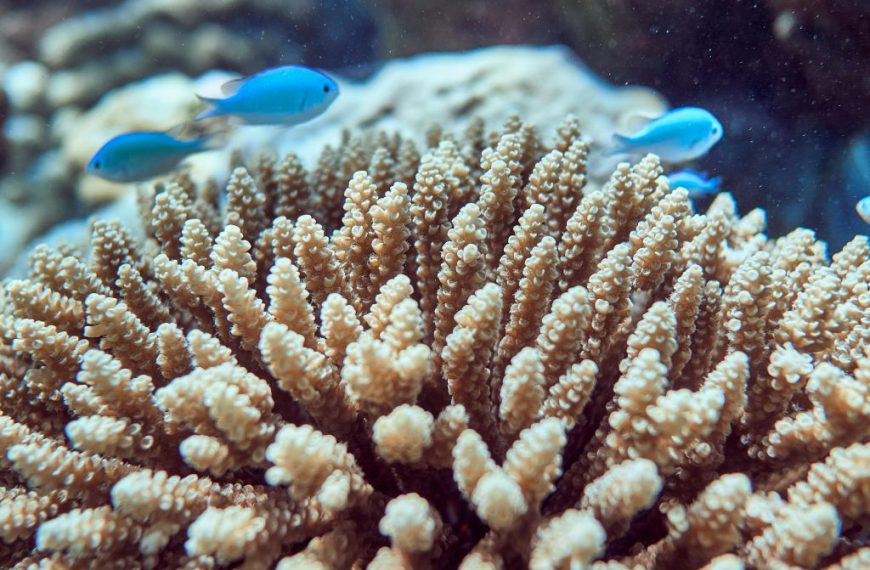
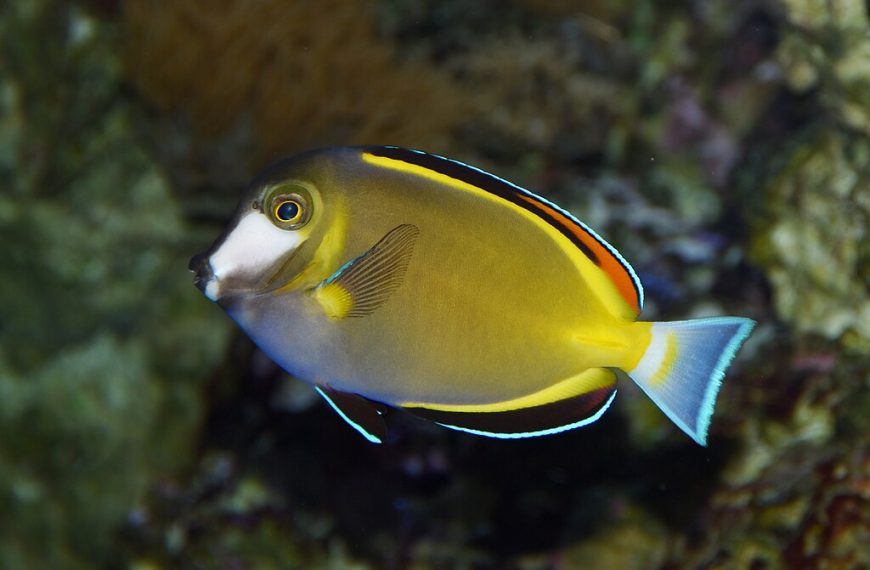
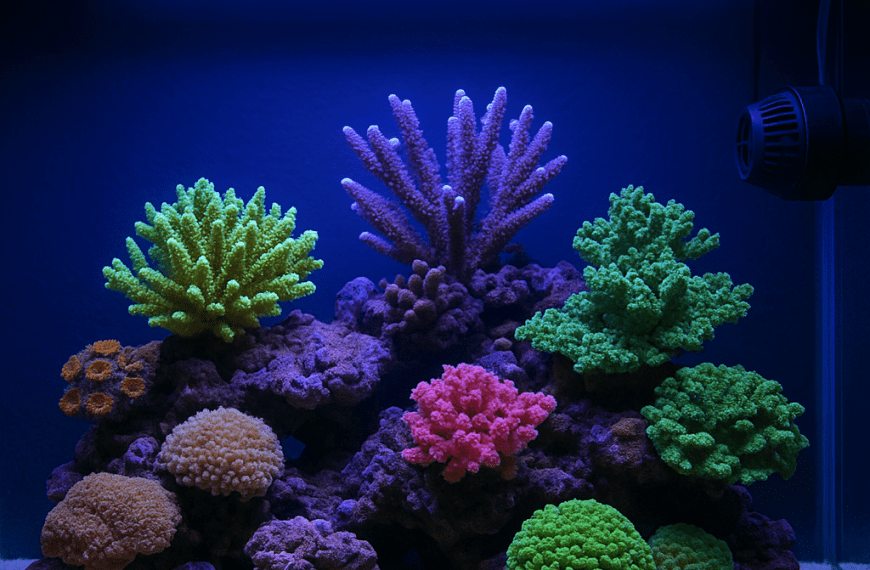
If you’re planning a saltwater tank with living corals, choosing the best reef-safe fish is one of the most important decisions you’ll make. The right fish will highlight your corals, keep pests in check, and create a peaceful display. The wrong fish can nip polyps, overturn rockwork, or bully tankmates. This guide walks through proven reef safe choices and how to pick the right mix for your aquarium.

What Makes a Fish “Reef Safe”?
In the aquarium hobby, a reef safe fish is one that won’t intentionally eat or damage corals, clams, or most invertebrates. Behavior can vary by individual, but there are a few key traits to look for:
- Natural diet: Planktivores and algae grazers are usually safer than obligate coral or sponge feeders.
- Small mouths, small impact: Species that pick at rock for microfauna are less likely to shred fleshy LPS or tear at clam mantles.
- Peaceful temperament: Calm, mid-water swimmers generally coexist better with shy gobies and wrasses.
Before buying, always cross-check your stocking list with your specific coral plans. For example, a fish that’s safe with soft corals and zoas might still nip fleshy brains or acans. For more stocking ideas, see our guide to beginner reef fish.
Top Reef Safe Fish for Most Tanks
Clownfish (Amphiprion spp.)
Clownfish are hardy, colorful, and almost universally reef safe. Tank-bred varieties adapt quickly to captive diets and rarely bother corals. Provide:
- At least a 20–30 gallon tank for a pair
- Plenty of rockwork and a calm area for their chosen territory
- Small, frequent feedings of quality pellets and frozen foods
Chromis and Other Peaceful Damsels
Green chromis and a few carefully selected damsels add constant motion without harassing corals. They’re best kept in small groups in tanks 40 gallons and up. Watch for aggression as they mature, and remove bullies early.
Gobies and Blennies
These bottom and rock perchers are some of the best reef safe fish you can add:
- Watchman gobies pair beautifully with pistol shrimp and help aerate the sandbed.
- Tailspot and lawnmower blennies graze algae all day, helping keep rock surfaces clean.
They stay small, have tons of personality, and usually ignore corals completely. For more cleanup ideas, check our reef cleanup crew guide.
Reef Safe Wrasses
Many fairy and flasher wrasses are brightly colored, active swimmers that leave corals alone. They also help control pests such as flatworms and small nudibranchs. Provide:
- A secure lid (they are expert jumpers)
- Plenty of rockwork and open swimming space
- Multiple small feedings each day
Stocking Tips for a Peaceful, Coral-Friendly Tank
Even the best reef safe fish can cause trouble in the wrong setup. A few practical guidelines:
- Match fish to tank size: Tangs and larger angels need long tanks; nano tanks are better suited to gobies, small wrasses, and clownfish.
- Add fish in order of temperament: Shy, peaceful species first; more assertive fish last.
- Feed well, but don’t overfeed: Hungry fish are more likely to sample corals; overfeeding fuels algae and poor water quality.
- Quarantine new arrivals: A simple QT setup prevents parasites from wiping out your display.
Tip: When in doubt, assume a fish is not reef safe until you’ve verified it with multiple reliable sources.
Choosing the best reef safe fish is about more than avoiding coral nippers—it’s about building a balanced community that thrives long term. Start with proven species like clownfish, gobies, blennies, chromis, and reef safe wrasses, then layer in personality and color as your experience grows. With thoughtful planning, you’ll enjoy a vibrant, active reef where fish and corals complement each other beautifully. When you’re ready to take the next step, explore our soft corals for beginners guide to complete your living reef.
Sources
- Fenner, R. (2008). The Conscientious Marine Aquarist. TFH Publications.
- Michael, S. W. (2001). Marine Fishes: 500+ Essential-To-Know Aquarium Species. Microcosm Ltd.
- Borneman, E. (2001). Aquarium Corals. TFH Publications.
Was this helpful?
Related Posts
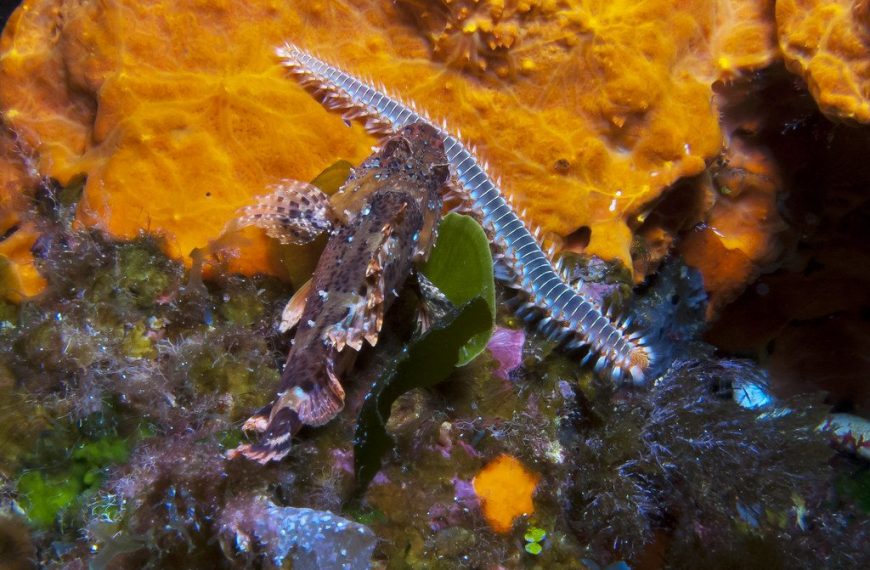
Bristleworms
Bristleworms are usually helpful reef tank scavengers. Learn how to identify them, control numbers, and spot the rare…
 By
By
What is a Chaeto Reactor, and How Does it Help Control Nutrients?
A chaeto reactor grows macroalgae in a sealed chamber to remove nitrate and phosphate, helping reef tanks control…