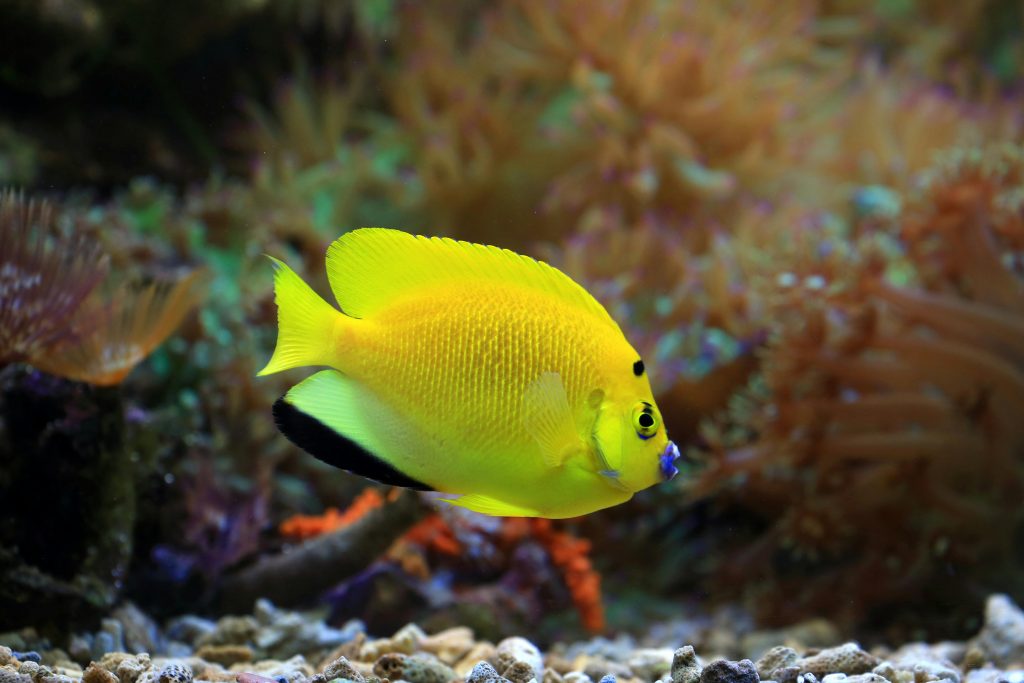
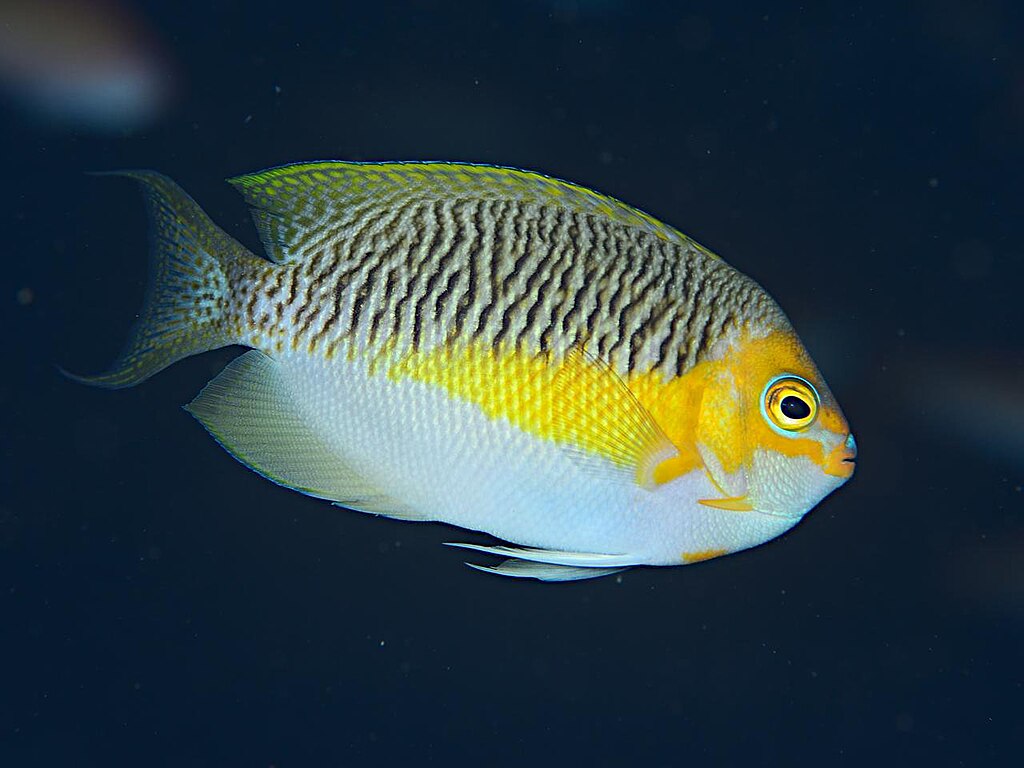
Flagfin angelfish are striking reef fish with bold color and attitude. They also have specific needs that many tanks cannot meet. This guide helps you plan a realistic, humane setup.
Species overview and behavior in captivity
Flagfin Angelfish (Apolemichthys trimaculatus) can reach 9 to 10 inches in length. They need room to cruise and turn. Plan for a 125-gallon minimum. A 180-gallon tank is safer for long-term success.
This species can be shy at first. It may hide for several days. It also becomes territorial once settled. Add it after peaceful fish. Avoid mixing with other large angels in small tanks.
Many specimens arrive thin. Some refuse prepared foods for weeks. Wild diets include sponges and tunicates. This is why they can be challenging. Read our quarantine protocol before you buy.
They are not reliably reef safe. Many nip LPS, zoanthids, and clam mantles. Some ignore corals for months, then start sampling. Treat them as “reef with caution.” If you keep corals, have a backup plan.
- Adult size: 9–10 inches in well-fed systems
- Minimum tank: 125 gallons, larger is better
- Temperament: semi-aggressive, especially to new additions
- Reef safety: unpredictable with corals and clams
Tank setup, water parameters, and aquascape
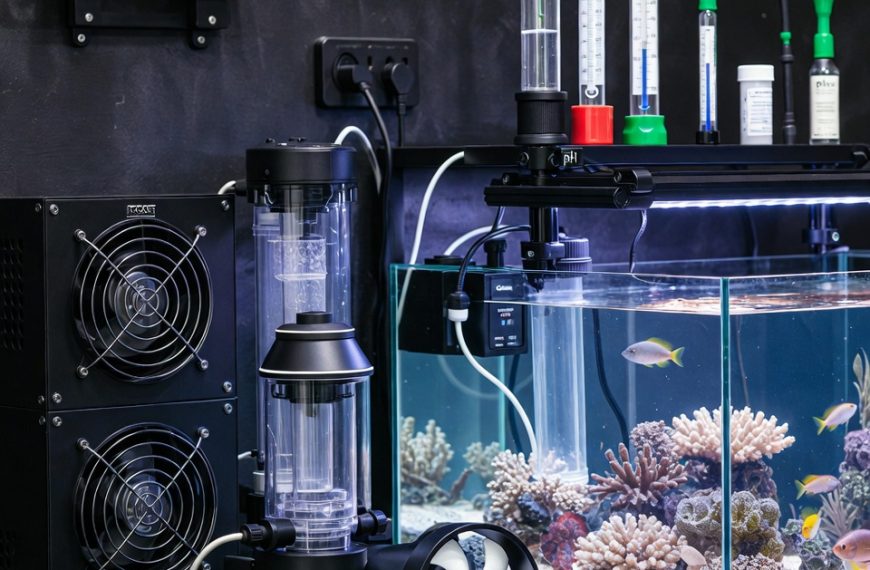
Stability matters more than “perfect” numbers. Keep salinity at 1.025 to 1.026. Hold temperature at 76 to 79°F. Aim for pH 8.1 to 8.4. Keep ammonia and nitrite at 0 ppm always.
Keep nitrate under 20 ppm for best appetite and color. Keep phosphate under 0.10 ppm. Use strong skimming and steady water changes. A 10% weekly change works well. Use carbon if foods cloud the water.
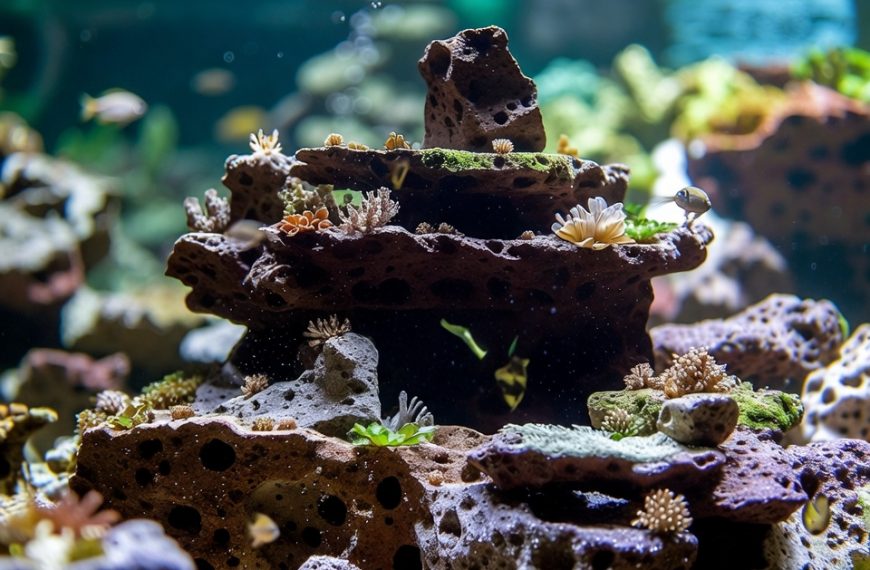
Build a rock structure with caves and swim lanes. You want at least two deep hiding spots. Place rock on the glass or on a stable base. These fish can push and wedge into gaps. Avoid sharp rock points near sleeping areas.
Moderate to strong flow helps oxygen and digestion. Provide high dissolved oxygen at night. Add surface agitation and a reliable return pump. For more on stability, see our reef tank water parameters guide.
- Use a tight lid or mesh top to prevent jumping
- Provide dimmer light zones for new arrivals
- Run a UV sterilizer if ich has been an issue
- Keep a spare heater and air pump for outages
Feeding, acclimation, and troubleshooting common problems
Plan a slow acclimation and a long quarantine. Use a 30-day minimum quarantine when possible. Start with a few PVC shelters. Keep salinity stable during transfer. Match temperature within 1°F.
Feed small portions 3 to 5 times daily at first. Offer sponge-based angel formulas twice daily. Add frozen mysis, chopped clam, and enriched brine. Soak foods in vitamins for 10 minutes. Use a clip for nori to encourage grazing.
A common issue is refusal to eat. Try feeding at dusk with pumps off for 10 minutes. Use live blackworms if available. Place food near the fish’s cave. Reduce competition from fast feeders. Add a mirror briefly to distract bullies.
Watch for ich and flukes. Scratching and rapid breathing are warning signs. Treat flukes with praziquantel in quarantine. Copper can work for ich, but monitor appetite closely. Use an ammonia badge and test daily during treatment.
- If the fish is thin, increase feedings before adding strong tankmates
- If it nips corals, offer more sponge foods and remove tempting LPS
- If it hides constantly, lower light and add more caves
- If aggression rises, rearrange rock and add fish after lights out
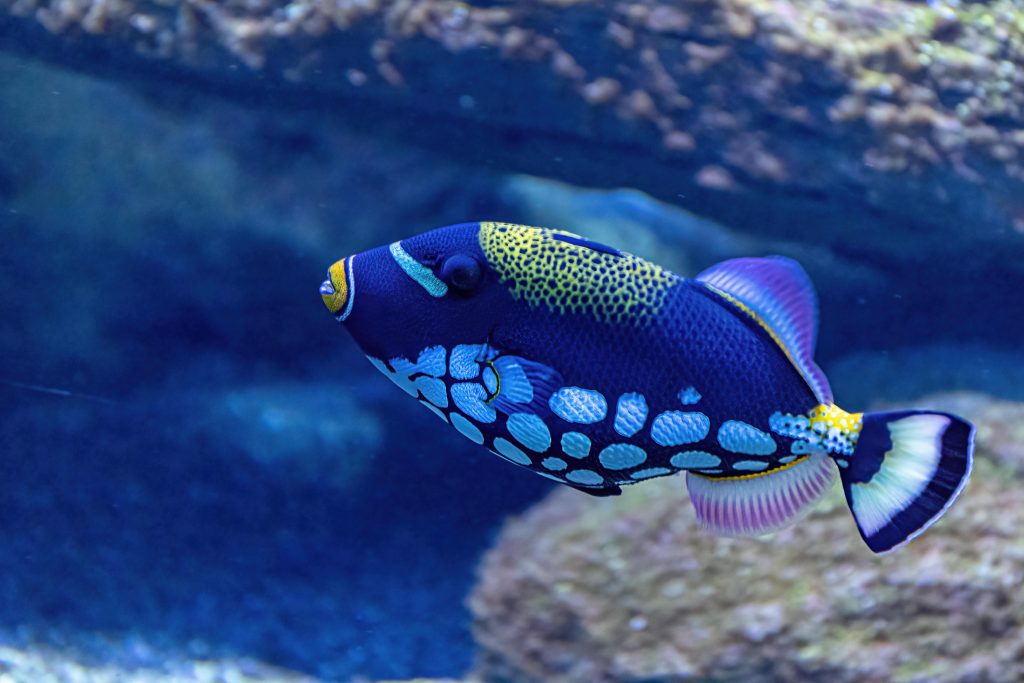
Choose tankmates with care. Good options include larger tangs, rabbitfish, and peaceful wrasses. Avoid small timid fish in tight tanks. Avoid mixing with other Apolemichthys angels. If you need planning help, see our marine fish compatibility guide.
Flagfin angelfish can thrive in mature, stable systems. They reward patience with bold color and confident behavior. Start with the right tank size and a strong feeding plan. When you plan ahead, success becomes far more likely.
Sources: FishBase (Apolemichthys trimaculatus species summary); Scott W. Michael, “Angelfishes & Butterflyfishes”; Fenner, “The Conscientious Marine Aquarist”; Delbeek & Sprung, “The Reef Aquarium” Vol. 1–3

 By
By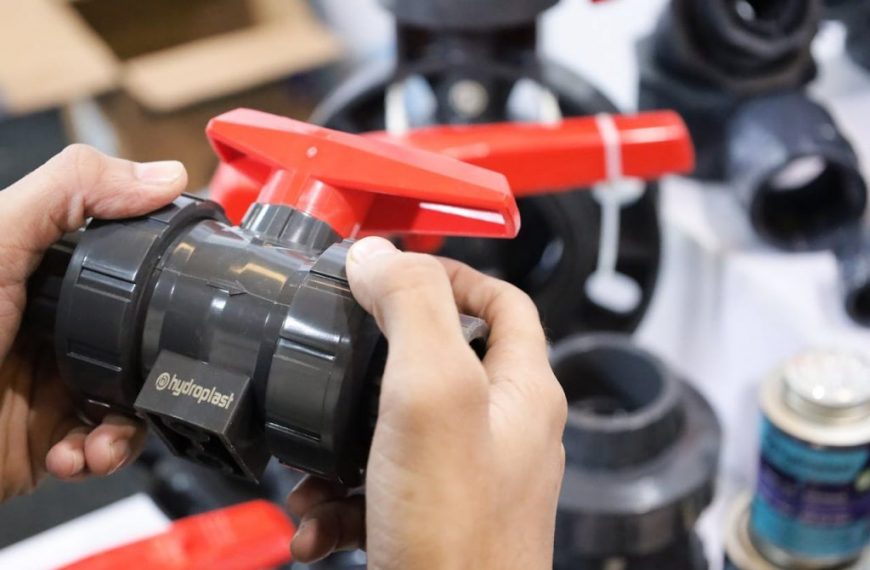

![[food] Seaweed Snacks](https://fancyreef.com/wp-content/uploads/49758399738-7b109775d3-b.jpg)