White spots can mean several things in a reef tank. Two top suspects are marine ich and velvet. They look similar at first, but they behave very differently.
How to tell marine ich from velvet
Marine ich is Cryptocaryon irritans. Velvet is Amyloodinium ocellatum. Both are parasites, but velvet often kills faster. Correct ID changes your next steps.
Ich usually shows as larger, distinct white grains. Many hobbyists describe “salt on the fins.” Fish may scratch on rocks. Breathing often stays normal early on. Appetite may drop over days.
Velvet often looks like fine dust or a matte coating. It can appear gold or tan under a flashlight. Fish breathe fast and hang near flow. They may clamp fins and stop eating quickly. Death can happen in 24–72 hours in bad cases.
Use a simple observation routine. Check gill rate, not just spots. Count operculum beats for 15 seconds. Multiply by four for breaths per minute. Many fish at rest are near 60–90 bpm. Velvet cases often exceed 120 bpm.
- Ich clues: larger dots, slower progression, intermittent “clean” days.
- Velvet clues: dusty sheen, very fast breathing, rapid decline.
- Both: flashing, hiding, reduced feeding, frayed fins from stress.
If you need a refresher on symptom tracking, review our quarantine tank setup guide. A log helps you spot patterns. Note dates, fish affected, and breathing rates.
Immediate response and treatment plan
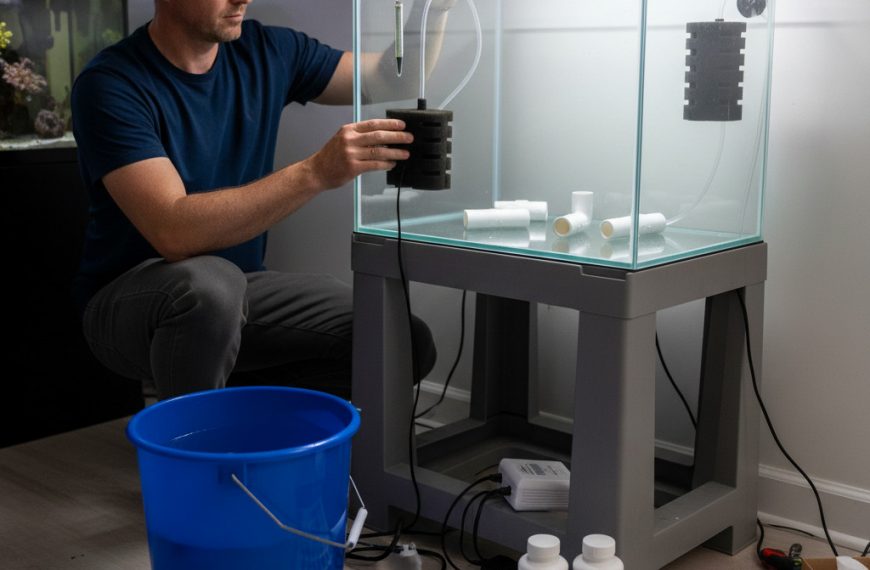
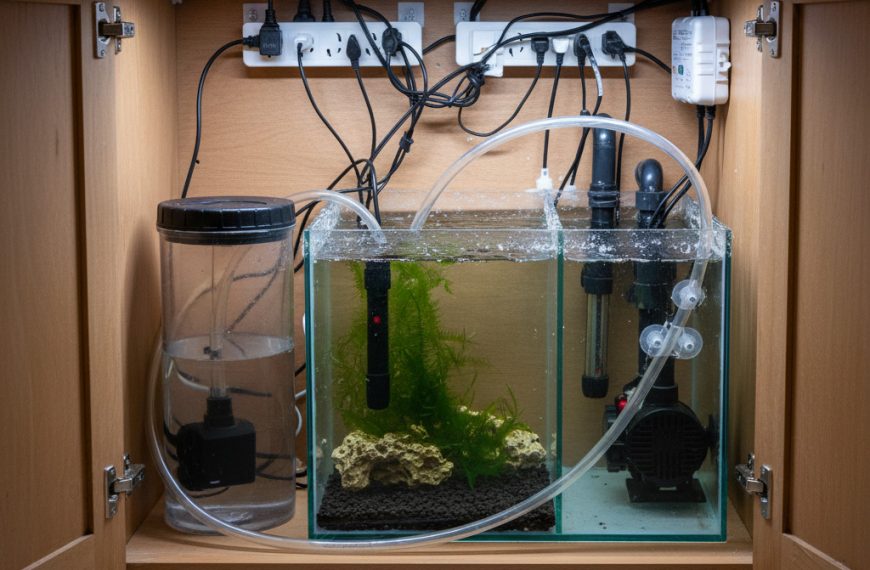
Start with triage. Move fish to a hospital tank, if possible. Use a bare-bottom tank with PVC hides. Match temperature and salinity to reduce shock. Aim for 78–80°F and 1.024–1.026 specific gravity.
For velvet suspicion, prioritize oxygen. Add an air stone and strong surface agitation. Velvet attacks gills early. Low oxygen worsens outcomes fast. Keep lights dim to reduce stress.
Copper is a common treatment for both diseases in fish-only hospital tanks. Use a chelated copper product and a reliable test kit. Target 2.0–2.5 ppm for chelated copper, if the label matches. Hold the level steady for 14 days for velvet, and 30 days for ich. Test at least once daily at first.
Never dose copper in a reef display. Copper harms invertebrates and live rock. Instead, leave the display fallow. That means fishless. Run the tank normally and feed lightly for bacteria. Typical fallow times are 45 days for velvet and 76 days for ich.
- Use an ammonia badge and keep NH3 near 0.00 ppm.
- Do 25–50% water changes when ammonia rises.
- Redose copper after water changes to keep target ppm.
Some hobbyists use freshwater dips as an emergency step. This can knock off some velvet trophonts. Use dechlorinated RO or tap water. Match pH with buffer and match temperature. Dip for 3–5 minutes with close observation. It is not a cure by itself.
For step-by-step copper stability tips, see our copper treatment in saltwater article. Many failures come from low copper. Adsorption by PVC, sponges, and test errors is common.
Common mistakes and long-term prevention
The biggest mistake is treating the display tank. The second is stopping early. Parasites have life stages. Spots can disappear while the disease continues. Continue the full course even if fish look better.
Another mistake is mixing medications. Copper plus certain antibiotics can stress fish. Copper plus formalin can be risky without experience. If you must combine, add one change at a time. Watch breathing and behavior for several hours.
Prevention is simpler than rescue. Quarantine all new fish for 30 days minimum. Many keep 45 days for extra safety. Observe feeding and feces daily. Prophylactic copper is optional, but it reduces surprises. Use a separate net and siphon for QT.
Also reduce stress in the display. Keep salinity stable within 0.001 SG daily swing. Keep nitrate under 20 ppm for most community tanks. Avoid big temperature shifts. Use an auto top-off to prevent salinity creep.
- Quarantine every fish before it reaches the display.
- Run a fallow period after any outbreak, with no exceptions.
- Feed small meals 2–3 times daily during recovery.
If you want a full prevention workflow, read our fish quarantine checklist. It helps you standardize tools and timing. It also reduces cross-contamination between tanks.
Sources: Noga, E.J. “Fish Disease: Diagnosis and Treatment” (2nd ed.); Colorni, A. and Burgess, P. on Cryptocaryon irritans biology; Woo, P.T.K. “Fish Diseases and Disorders,” Vol. 3 (Protozoan and Metazoan Infections).
 By
By