
Midas Blenny (Ecsenius midas): A Golden Gem for Reef Tanks
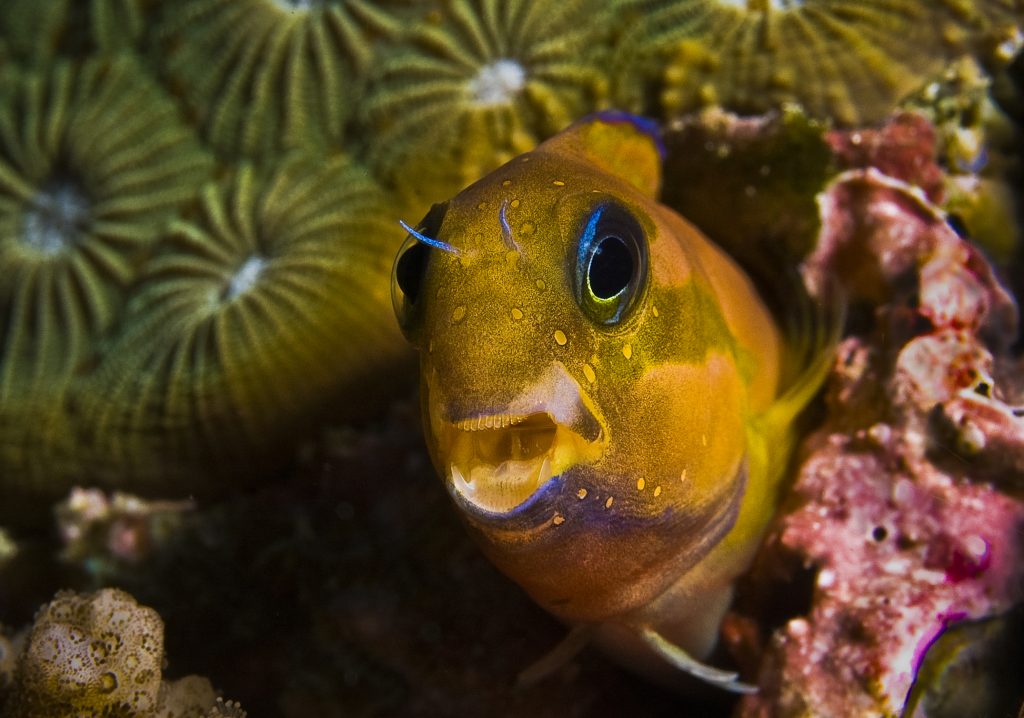
The Midas Blenny (Ecsenius midas) is a favorite among reef keepers thanks to its shimmering golden body, expressive face, and lively swimming style. Unlike many blennies that perch on rocks all day, the Midas Blenny spends much of its time in open water, adding constant motion and personality to your display. When cared for properly, this hardy fish can become a long-lived centerpiece in medium-sized reef aquariums.
Natural Behavior and Tank Requirements
In the wild, Midas Blennies are often found around reefs and drop-offs, hovering in the water column and darting back to crevices when startled. Re-creating this environment at home helps them feel secure and show their best colors.
Tank Size and Aquascape
- Minimum tank size: 40 gallons is recommended, especially if you keep active tankmates.
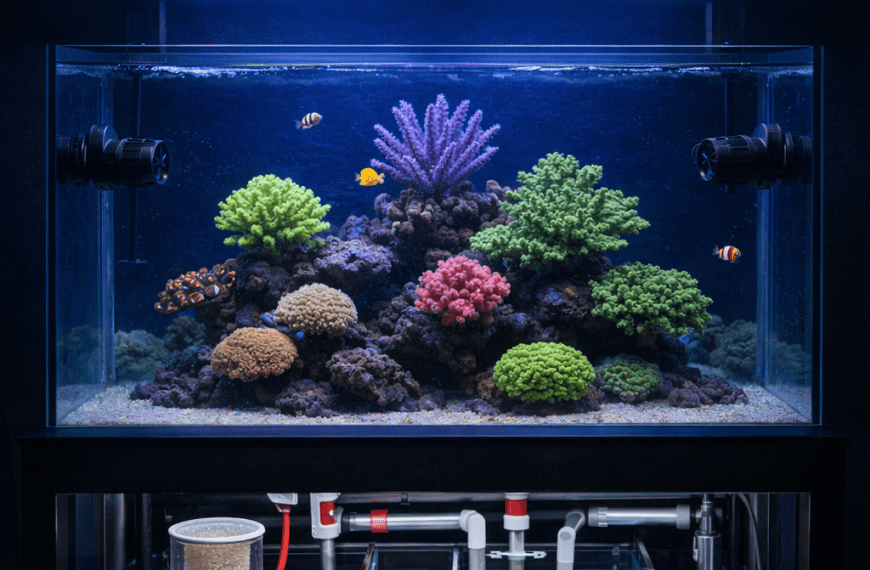
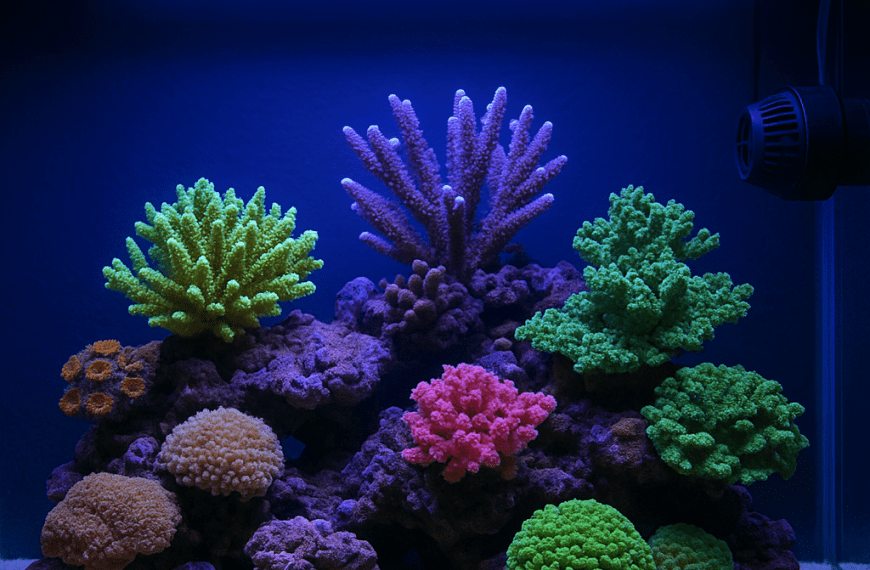
- Rockwork: Provide multiple caves, overhangs, and holes so the fish can retreat when stressed.
- Swimming space: Leave open areas in the front and middle of the tank for their characteristic mid-water hovering.
For more ideas on designing a stable system before adding fish like the Midas Blenny, see our guide on setting up a saltwater aquarium.
Water Parameters
- Temperature: 76–80°F (24–27°C)
- Salinity: 1.024–1.026 specific gravity
- pH: 8.1–8.4
- Ammonia & Nitrite: 0 ppm; Nitrate: < 20 ppm
Tip: Midas Blennies are generally hardy, but they dislike rapid swings in salinity or temperature. Stable parameters are more important than chasing a specific number.
Diet, Compatibility, and Care Tips
Feeding the Midas Blenny
Unlike some herbivorous blennies, the Midas Blenny is more omnivorous and often leans toward a carnivorous diet. A varied menu keeps them healthy and brightly colored:
- High-quality marine pellets and flakes formulated for omnivores
- Frozen foods such as mysis shrimp, brine shrimp, and finely chopped seafood
- Occasional algae-based foods or nori for added variety
Feed small portions 1–2 times per day. Overfeeding can quickly impact water quality, so pair good feeding habits with strong filtration and regular maintenance, as covered in our article on saltwater aquarium maintenance.
Temperament and Tankmates
Midas Blennies are generally peaceful but can be territorial, especially toward similar-shaped fish or other blennies. To minimize aggression:
- Avoid housing with other blennies unless the tank is large and rockwork is extensive.
- Introduce them after more timid species so they do not claim the entire rockscape.
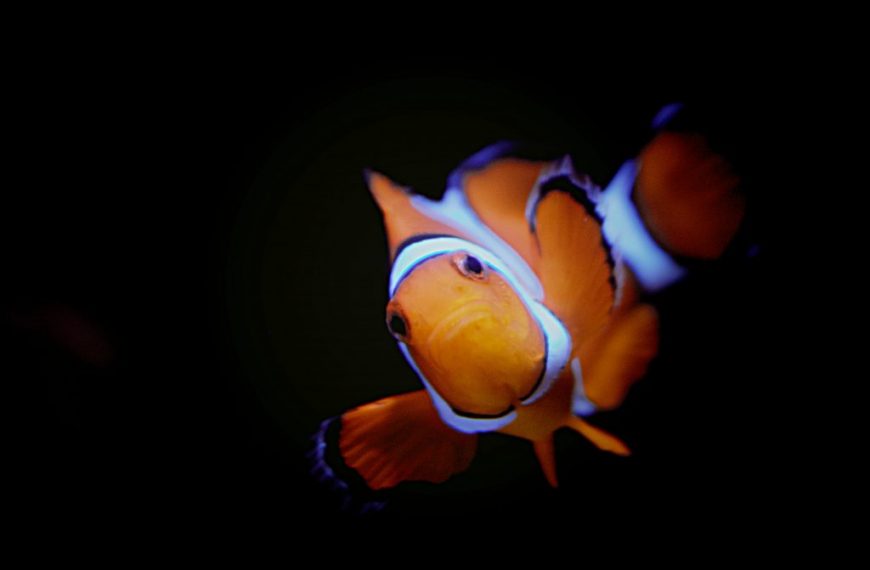
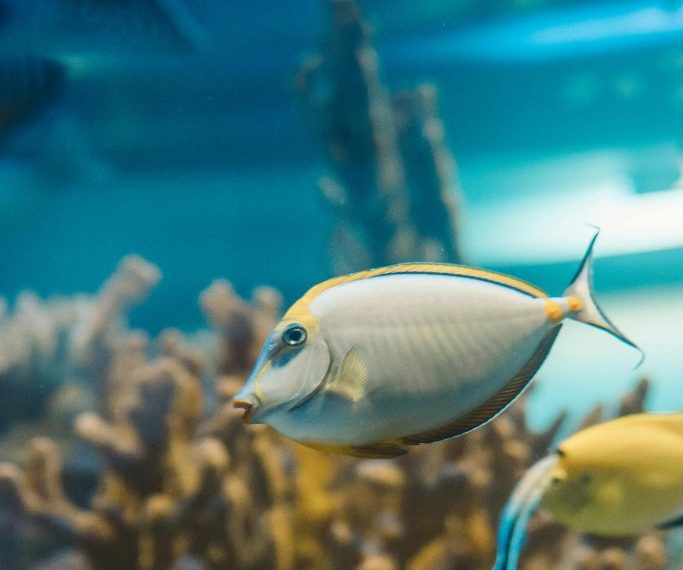
- Choose tankmates like peaceful wrasses, gobies, clownfish, and small tangs.
They are considered reef-safe and typically ignore corals and invertebrates, making them an excellent choice for mixed reef systems.
Acclimation and Long-Term Health
- Acclimation: Use a slow drip acclimation process to reduce stress from changes in salinity and pH.
- Hiding behavior: New Midas Blennies may hide for several days; provide dim lighting and plenty of caves to help them settle in.
- Disease prevention: Quarantine new arrivals when possible and maintain strong, stable water quality.
For a broader look at choosing hardy, beginner-friendly fish to pair with your Midas Blenny, check out our list of best beginner saltwater fish.
Is the Midas Blenny Right for Your Reef?
If you have a medium-sized, covered reef tank with stable parameters and plenty of rockwork, the Midas Blenny can be a standout addition. Its golden coloration, fluid swimming style, and quirky personality make it a fish you’ll quickly grow attached to. Provide a secure environment, a varied diet, and compatible tankmates, and this species will reward you with years of active, engaging behavior in your saltwater aquarium.
Sources
- Michael, S. (2001). Reef Fishes Volume 1. Microcosm.
- Fenner, R. (2001). The Conscientious Marine Aquarist. TFH Publications.
- FishBase: Species summary for Ecsenius midas.
 By
By
.jpg)