Quarantine is where you win most disease battles. The right meds help, but only with a plan. This overview explains what we keep, why we use it, and how to avoid common mistakes.
Core quarantine meds and what they target
We split meds into three buckets. These are parasites, bacteria, and supportive care. Each bucket has different rules for dosing and testing. Mixing them blindly causes most failures.
For external parasites, we rely on copper and praziquantel. Copper treats ich and velvet in fish-only quarantine tanks. We target 2.0–2.5 ppm with chelated copper, depending on the brand. We confirm with a copper test kit daily for the first week.
Praziquantel targets flukes and some internal worms. It is gentle on most fish. It is not safe for many invertebrates. We dose it in quarantine only, not in the display.
For bacterial issues, we keep broad-spectrum antibiotics. These help with fin rot, cloudy eyes, and infected wounds. They work best early, before deep tissue damage. We also keep a binder for ammonia emergencies during treatment.
- Copper: ich and velvet, fish-only QT, test daily.
- Praziquantel: flukes, worms, usually two rounds.
- Antibiotics: bacterial infections, use full course.
- Ammonia binder: emergency control, not a substitute for water changes.
How we dose safely in a simple QT setup
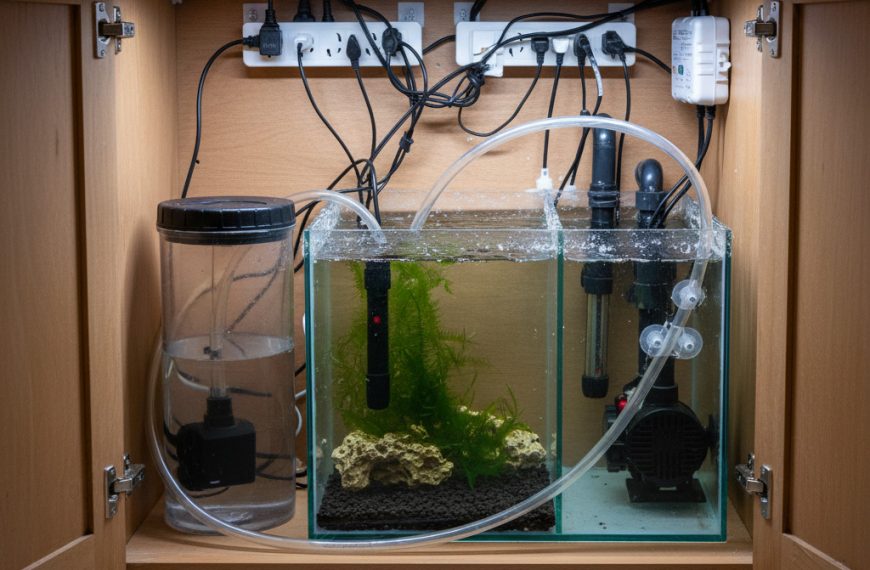
Our standard quarantine tank is bare bottom with PVC hides. We use a sponge filter that is pre-seeded. We add a heater, lid, and simple light. We aim for 78°F, salinity 1.025, and pH 8.0–8.3.
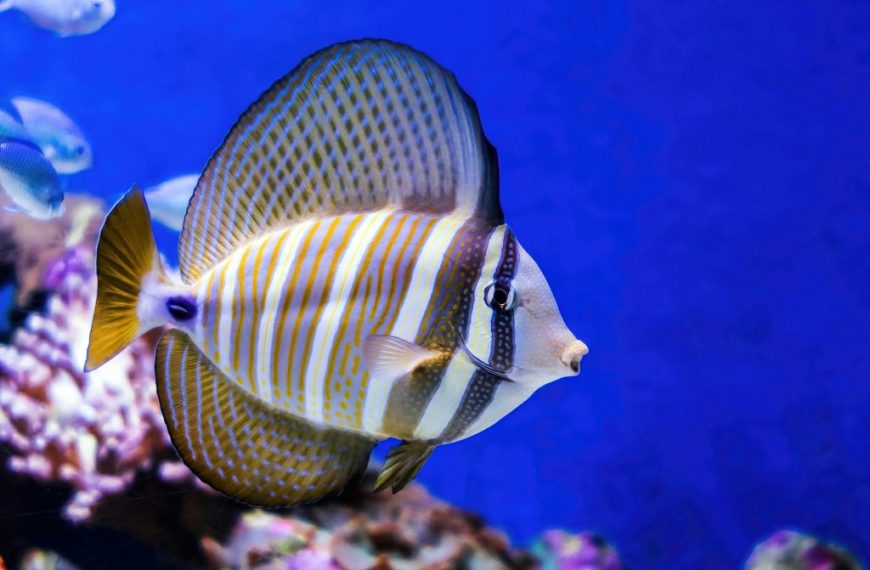
We never dose meds on day one if the fish is stressed. We let it eat first when possible. Then we ramp copper over 48 hours. This reduces shock, especially for tangs and angels. We keep copper stable for 14 days at therapeutic level.
Praziquantel works best in two treatments. We dose once, wait 5–7 days, then dose again. We increase aeration during praziquantel use. Oxygen drops can cause heavy breathing. We also pause carbon and UV during all medication.
Antibiotics need clean water and consistent dosing. We remove uneaten food fast. We test ammonia and nitrite daily. If ammonia hits 0.25 ppm, we water change 25–50%. We then re-dose based on the new water volume.
- Match temperature and salinity before moving fish into QT.
- Use an air stone during copper and praziquantel treatments.
- Write down doses, dates, and test results each day.
- Keep carbon and resins out while medicating.
Troubleshooting, common mistakes, and when to pivot
The most common mistake is treating without testing. Copper drops over time from adsorption. It also rises after top-off mistakes. Always measure copper after water changes. Never guess based on bottle caps.
Another mistake is using rock or sand in a medicated tank. These bind copper and make dosing unstable. They also hold bacteria and parasites. Use PVC and inert containers only. Keep the setup easy to clean.
Watch fish behavior during treatment. Rapid breathing, flashing, and loss of balance are red flags. In copper, check oxygen first, then verify the copper level. If levels are high, do a 50% change and re-test. If levels are correct, consider velvet progression and act fast.
Sometimes you need to pivot to a different plan. If fish stop eating on copper, lower the level slightly and extend time. If flukes persist after praziquantel, repeat a third round. If wounds worsen, switch to antibiotics and pristine water. For step-by-step workflows, see our quarantine setup guide and copper treatment basics. For flukes, review praziquantel and flukes.
- Cloudy water: reduce feeding, add aeration, and test ammonia.
- Fish gasping: add air stone, point powerhead at surface, then re-test copper.
- Copper won’t hold: remove porous items and confirm test kit accuracy.
Quarantine meds work best with stable parameters and careful notes. Keep your toolkit simple and your testing consistent. When in doubt, slow down and verify before adding another drug.
Sources: Humblefish Disease Treatment Guides (archived reference), Noga “Fish Disease: Diagnosis and Treatment”, manufacturer instructions for chelated copper and praziquantel products.
 By
By