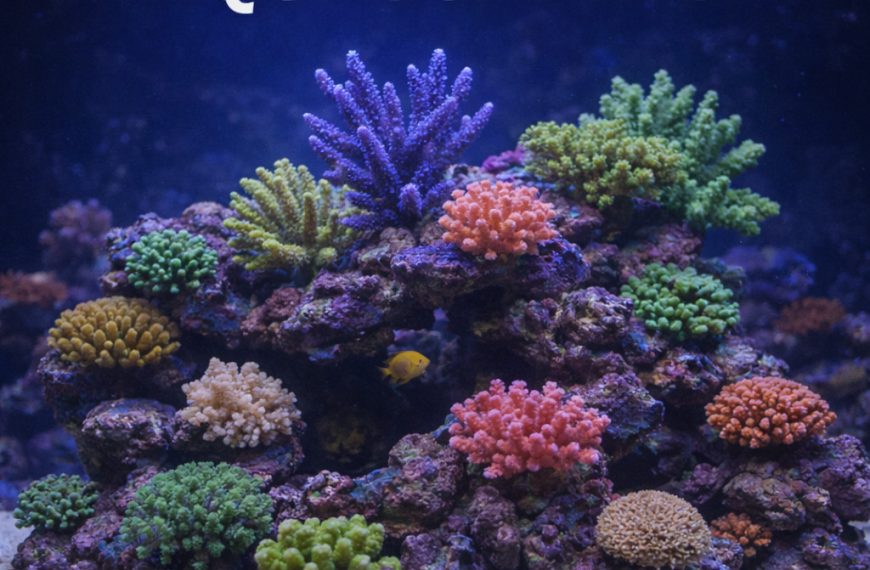
Protein Skimmers: The Unsung Heroes of Reef Filtration
Protein skimmers are one of the most important pieces of equipment in a saltwater aquarium, especially in reef tanks packed with corals and fish. By removing dissolved organic compounds before they break down into ammonia, nitrite, and nitrate, a properly sized skimmer helps keep water crystal clear, stable, and easier to maintain over the long term.
If you’re planning a new system or upgrading your filtration, understanding how protein skimmers work and how to choose one will save you money, frustration, and potential livestock losses.
How Protein Skimmers Work (And Why Your Reef Loves Them)
A protein skimmer, also called a foam fractionator, mixes air and water in a reaction chamber to create a dense column of tiny bubbles. Dissolved organics are attracted to the surface of these bubbles and carried up into a collection cup as dark, smelly foam called skimmate.
By removing this waste early, skimmers:
- Reduce the load on biological filtration and help stabilize nutrient levels.
- Improve water clarity so light penetrates better to your corals.
- Increase gas exchange, helping maintain pH and oxygen levels.
- Make it easier to manage algae by exporting organics before they fuel growth.
Tip: If you’re battling nuisance algae or cloudy water even with regular water changes, upgrading or properly tuning your protein skimmer can often make a bigger difference than adding more chemical media.
To see how skimmers fit into a complete filtration setup, check out our guide on sump vs canister filter options for saltwater tanks and how they pair with modern reef equipment.
Choosing the Right Protein Skimmer for Your Tank
Not all skimmers are created equal, and the “best” model depends on your tank size, bioload, and available space. When shopping, focus on these key factors:
1. Tank Size & Bioload
Manufacturers often overestimate their ratings. As a rule of thumb:
- Lightly stocked tanks: you can get closer to the rated volume.
- Heavily stocked reef tanks: choose a skimmer rated for 1.5–2× your actual water volume.
If you run a nutrient-hungry SPS system, pairing a strong skimmer with a good refugium for saltwater tanks offers powerful, natural nutrient export.
2. Installation Style
- In-sump skimmers: Most common and usually the quietest. Require a consistent water level in the sump.
- Hang-on-back (HOB) skimmers: Great for tanks without sumps; ideal for smaller systems or beginners.
- External recirculating skimmers: High performance, but need more space and plumbing knowledge.
Measure your sump chamber or back-of-tank clearance carefully before buying. Double-check footprint, height, and required water depth.
3. Tuning and Maintenance
A well-tuned skimmer should produce a steady, dark tea-colored skimmate. For best performance:
- Empty and rinse the collection cup 1–2 times per week.
- Clean the skimmer neck regularly to maintain foam production.
- Soak the pump and body in a vinegar solution every few months to remove calcium buildup.
- Avoid putting your skimmer in a chamber where water level fluctuates wildly.
For new setups, read our saltwater aquarium setup checklist to see where the skimmer fits in your build plan and budget.
Do You Really Need a Protein Skimmer?
Technically, you can run a saltwater tank without a skimmer, especially nano systems with light stocking and frequent water changes. However, for most hobbyists, a good skimmer is like insurance for your reef. It offers a buffer against overfeeding, minor mistakes, and the normal organic buildup that happens in every tank.
If you value stability, clear water, and healthier fish and corals, a properly sized and maintained protein skimmer is one of the best investments you can make in your saltwater aquarium.
Sources
- Delbeek, J. C., & Sprung, J. The Reef Aquarium, Volume 1 & 2.
- Fenner, R. The Conscientious Marine Aquarist.
- Holmes-Farley, R. “Protein Skimming and Reef Aquaria”, archived reef chemistry articles.
 By
By