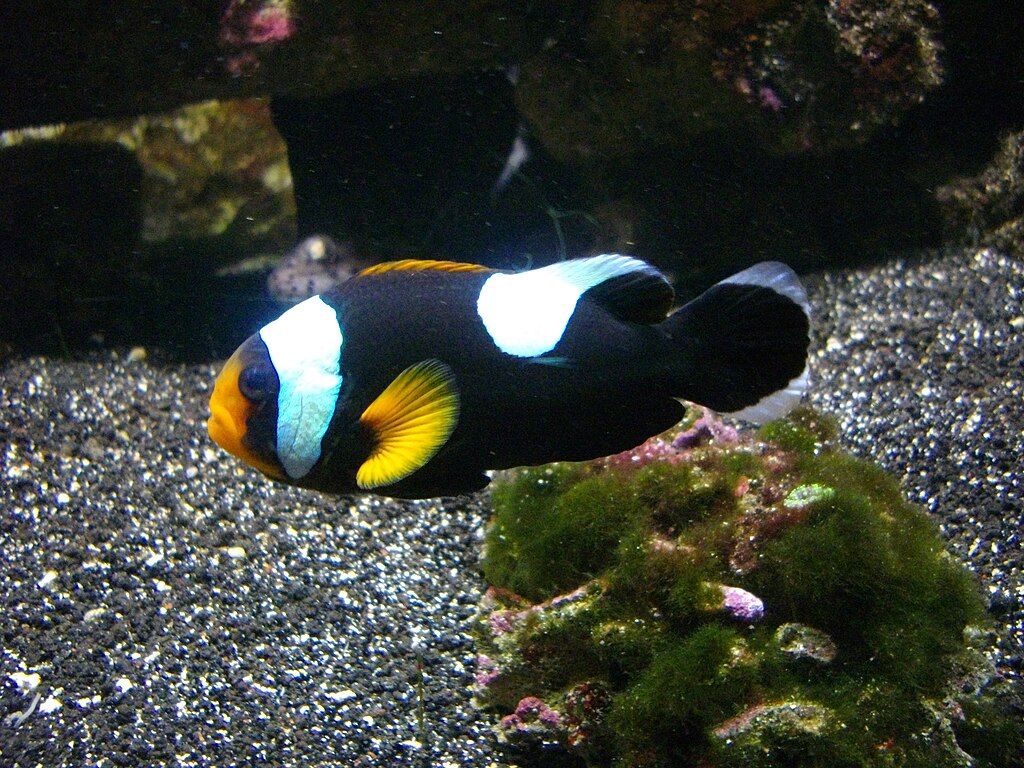
A reef tank quarantine setup protects your display from pests and disease. It also gives new fish time to eat well and recover from shipping stress. A simple system works if you keep it stable and consistent.
Pick the right quarantine tank and gear
Choose a bare-bottom glass tank for easy cleaning. A 10-gallon works for small gobies and clowns. Use 20 gallons for most reef fish. Use 40 gallons for tangs and angels. Bigger water volume stays stable.
Add a heater, thermometer, and tight lid. Many fish jump during the first week. Use a simple LED for viewing and feeding. Skip strong reef lights. Bright light can increase stress.
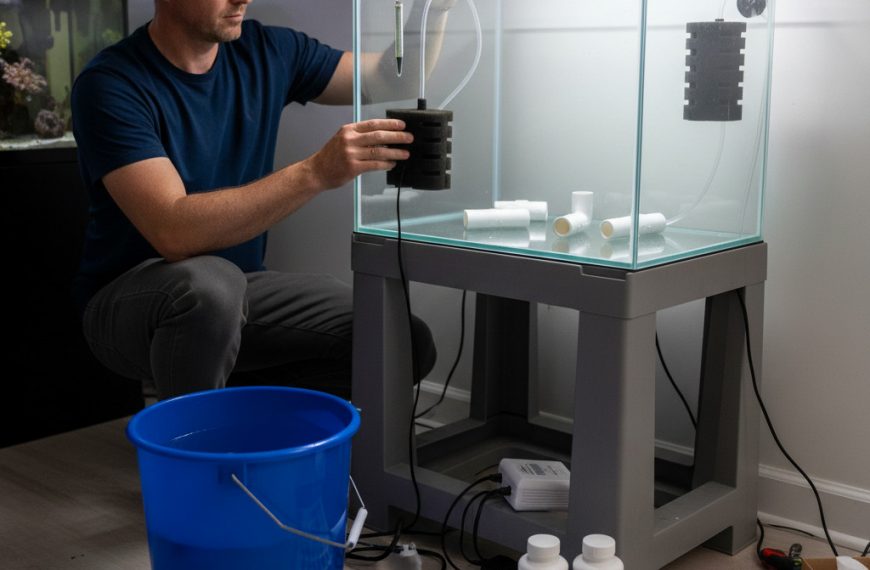
Use a sponge filter or hang-on-back filter. Seed the sponge in your sump for 2 to 4 weeks. This builds nitrifying bacteria. Add an air pump for oxygen. Extra aeration helps during treatments.
Provide hiding spots with PVC elbows. Use 1 to 2 inch fittings for most fish. Add several pieces to reduce aggression. Avoid live rock in quarantine. Rock can absorb meds and hide pests.
- Tank size: 10–20 gallons for small fish, 20–40 gallons for active fish
- Heater set to 78°F (25.5°C) and verify daily
- Seeded sponge filter plus air stone for strong surface agitation
- PVC shelters and a lid to prevent jumping
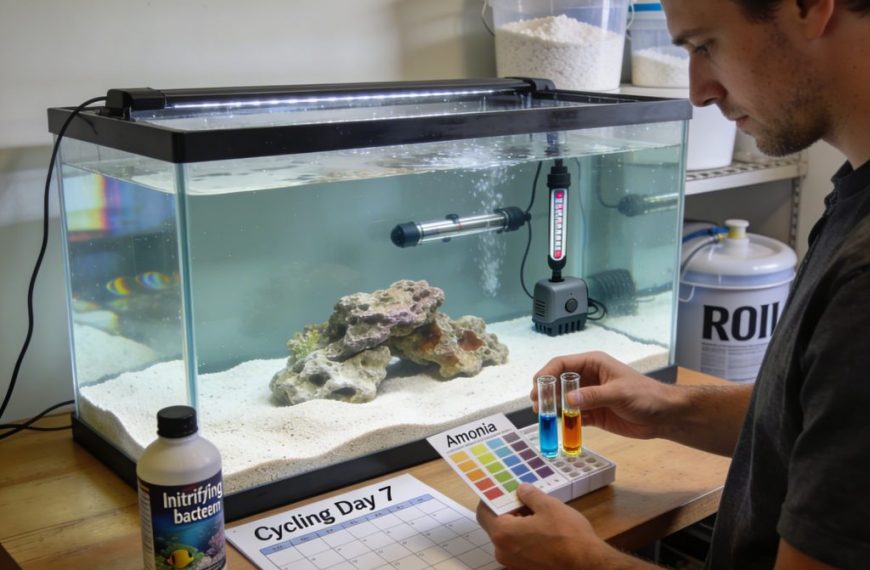
For more on stable systems, review our reef tank cycling guide. It helps you avoid ammonia spikes. It also explains how to seed media safely.
Set target parameters and start the cycle
Match quarantine salinity to your display. Aim for 1.025 specific gravity for most reefs. Keep temperature steady at 77–79°F. Hold pH near 8.1–8.3. Stability matters more than chasing exact numbers.
Test ammonia every day for the first week. Keep ammonia at 0 ppm. Keep nitrite at 0 ppm. Try to keep nitrate under 20 ppm. Use a reliable kit and log results.
If ammonia rises, act fast. Do a 25–50% water change. Add a detoxifier that binds ammonia. Reduce feeding for 24 hours. Add a second seeded sponge if you have one.
Use a simple feeding routine. Feed small amounts two to three times daily. Remove leftovers after five minutes. This keeps water clean. It also trains shy fish to eat.
- Salinity: 1.025 SG (match your display within 0.001)
- Temperature: 77–79°F with less than 1°F swing daily
- Ammonia and nitrite: 0 ppm at all times
- Water changes: 25% weekly, or more if ammonia appears
If you need help with testing routines, see our saltwater water testing basics. It covers timing, sample handling, and common kit errors.
Quarantine workflow, observation, and common mistakes
Plan on a 30-day quarantine for most fish. Observe breathing rate and appetite daily. Look for flashing, spots, or frayed fins. Check the fish under normal light and dim light. Some signs show only at night.
Acclimate carefully but do not drag it out. Float the bag for 15 minutes for temperature. Then drip acclimate for 20–30 minutes. Net the fish into quarantine. Discard shipping water to reduce pathogens.
Keep equipment separate from the display. Use dedicated nets, buckets, and towels. Label them clearly. Cross-contamination is the top failure point. Even a wet hand can move parasites.
Troubleshoot stress and aggression early. Add more PVC if fish hide or fight. Use a tank divider for bullies. If a fish stops eating, offer frozen mysis and pellets. Try garlic-free foods first. Keep the room quiet.
- Quarantine length: 30 days minimum for observation
- Daily checks: appetite, breathing, spots, and fin condition
- Prevent cross-contamination with dedicated tools and hand washing
- Fix aggression with extra shelters or a divider within 24 hours
When quarantine ends, match salinity and temperature again. Move fish with a container, not a net. This protects slime coat and fins. Then review our reef fish acclimation steps for smooth transfers.
Sources: Humblefish quarantine methodology overview (general best practices); Reef2Reef community quarantine threads (practical workflows); Fenner, R. “The Conscientious Marine Aquarist” (husbandry and stress reduction).

 By
By