RO/DI water removes chlorine, metals, and nutrients. It gives you a clean baseline for mixing salt. This guide helps you set up a unit and keep it working well.
Choose the right RO/DI unit and parts
Start with a 4 to 6 stage RO/DI unit. Pick 75 to 100 GPD for most homes. Higher GPD often means lower rejection. That can raise DI costs over time.
Look for a 0.5 to 1 micron sediment filter. Pair it with a carbon block rated for chloramine. Many cities use chloramine now. It can ruin membranes if untreated.
Choose a 75 GPD membrane with 98% rejection. Add a dual inline TDS meter. It should read before and after DI. Also add a pressure gauge for quick checks.
Plan your plumbing and storage early. Use food-safe containers only. A 20 to 32 gallon brute-style can works well. For more planning, see our reef tank water chemistry basics guide.
- Target feed pressure: 60–80 PSI at the membrane
- Target product TDS: 0 after DI for reef use
- Typical waste ratio: 3:1 to 4:1 (waste:product)
Install, flush, and verify performance
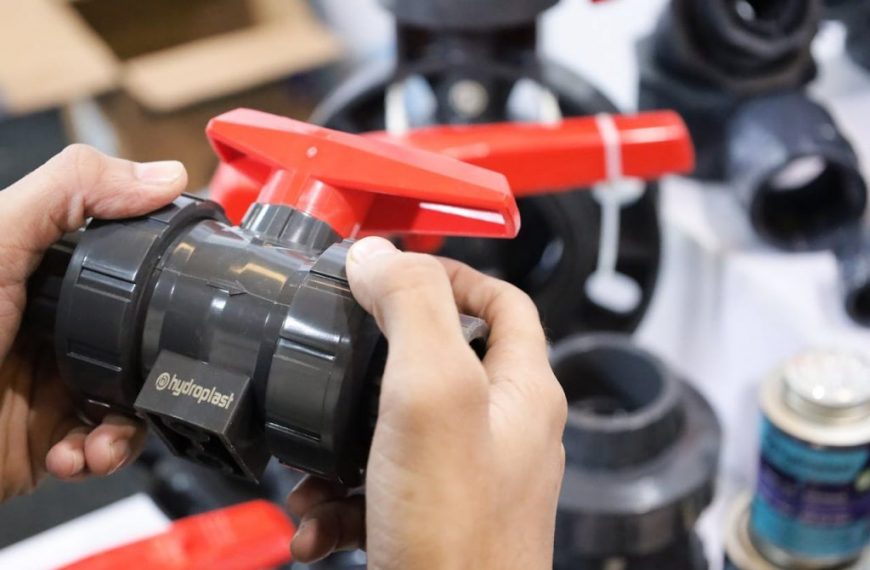
Connect to a cold-water line for best membrane life. Hot water can damage the membrane. Use a faucet adapter or a tee with a ball valve. Add a shutoff valve you can reach.
Mount the unit where leaks are easy to spot. Keep it above the floor if possible. Route the waste line to a drain with an air gap. This prevents backflow contamination.
Flush the carbon stage before the membrane. Run water for 5 to 10 minutes. Then install the membrane and flush again. Many units need a 30 to 60 minute membrane flush.
Check readings after a full flush. Example: tap TDS 250 ppm, RO TDS 5 ppm. That is 98% rejection. DI should then read 0 ppm. If not, troubleshoot with our TDS meter how-to article.
- Measure pressure at the unit while making water
- Record tap TDS, RO TDS, and DI TDS each session
- Label lines: feed, waste, and product to avoid mistakes
Maintenance schedule and common problems
Change sediment and carbon every 6 months for average use. Change sooner with dirty water. A clogged sediment filter drops pressure fast. Low pressure reduces rejection and raises DI use.
Replace the membrane when rejection falls. Use this quick math. Rejection % = (1 – RO TDS / tap TDS) × 100. Replace near 96% or lower. DI resin will burn quickly below that point.
Swap DI resin when product rises above 0 to 1 ppm. For sensitive reefs, hold at 0 ppm. Color-changing resin can mislead you. Trust the TDS meter, not the color.
Watch for “TDS creep” at startup. The first minute can read higher. Dump the first 30 to 60 seconds to waste. Use an auto flush kit if you make water often. For mixing next steps, read our how to mix saltwater guide.
- Low pressure: add a booster pump to reach 60–80 PSI
- Chloramine breakthrough: upgrade carbon to chloramine-rated blocks
- High DI TDS: check membrane rejection and DI packing tightness
RO/DI setup is simple when you plan the stages and test often. Track pressure and TDS each time you make water. Stable, clean source water makes every reef problem easier to solve.
Sources: SpectraPure RO/DI FAQs; Bulk Reef Supply RO/DI education series; Dow FilmTec membrane technical datasheets.
 By
By