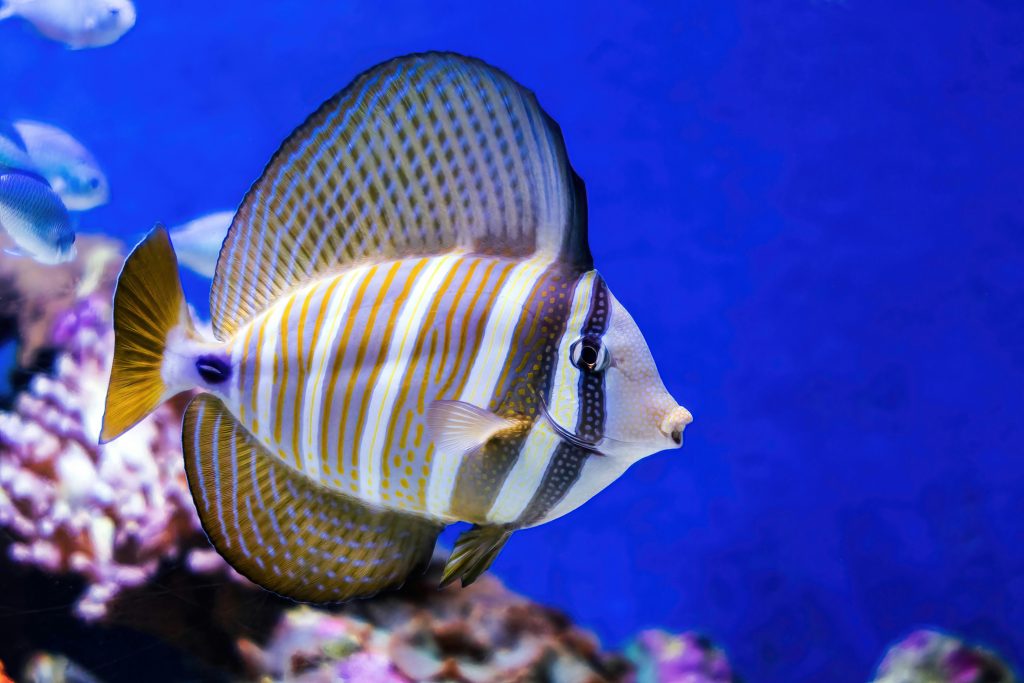
The Sailfin Tang (Zebrasoma veliferum and Zebrasoma desjardinii) is a bold, eye-catching addition to larger reef aquariums. With its tall dorsal and anal fins, striking vertical stripes, and constant cruising behavior, this fish quickly becomes a centerpiece. But its size, attitude, and dietary needs mean it’s best suited to aquarists who can offer plenty of space and stable conditions.
Tank Requirements for a Healthy Sailfin Tang
Sailfin Tangs are active swimmers that roam large territories on the reef, so they need a generously sized aquarium. For a single adult Sailfin Tang, aim for:
- Tank size: Minimum 180 gallons (680 L) for long-term care
- Dimensions: Preferably 6 feet (183 cm) or longer for ample swimming room
- Temperature: 76–80°F (24–27°C)
- Salinity: 1.024–1.026 specific gravity
- pH: 8.1–8.4 with good alkalinity stability
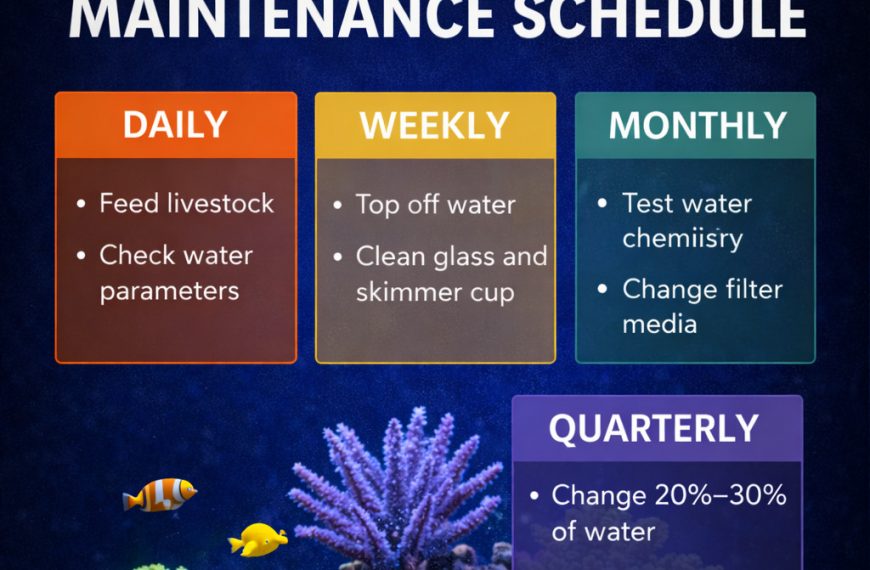
Strong, stable filtration is a must, as Sailfin Tangs produce a fair amount of waste. A quality protein skimmer and regular maintenance help keep nutrients in check and support coral health. If you’re still planning your system, our reef tank setup guide is a helpful starting point.
Pro tip: Provide open swimming lanes along the front and back of the rockwork while keeping caves and overhangs for security. Sailfin Tangs like to dart through open water but also appreciate quick hiding spots.
Diet, Behavior, and Compatibility
In the wild, Sailfin Tangs graze on filamentous algae and other plant material throughout the day. In the aquarium, a varied, algae-focused diet is key to long-term health and color.
Feeding Your Sailfin Tang
- Offer nori (dried seaweed) on a clip once or twice daily.
- Rotate high-quality herbivore pellets and flakes with marine algae as a main ingredient.
- Supplement with frozen foods like spirulina brine shrimp and mysis for extra protein.
- Use vitamin and garlic supplements a few times per week to support immune health.
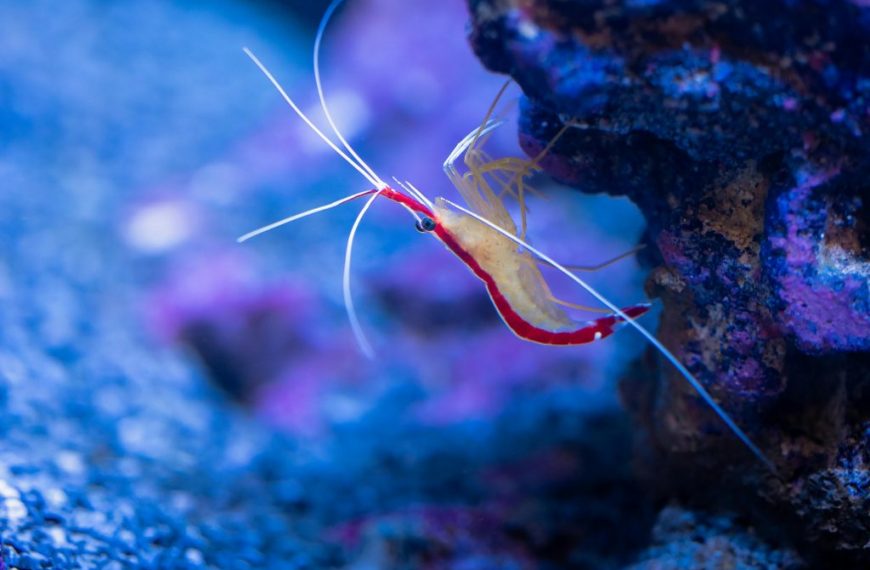
Consistent grazing opportunities reduce aggression and help keep nuisance algae under control. Many reef keepers pair Sailfin Tangs with other algae-eating fish and invertebrates as part of a broader saltwater cleanup crew.
Temperament and Tankmates
Sailfin Tangs are generally peaceful toward dissimilar species but can be territorial with other tangs, especially those of similar shape or color. To minimize conflict:
- Introduce the Sailfin Tang last or near the end of your stocking plan.
- Avoid keeping it with multiple Zebrasoma tangs in smaller systems.
- Provide plenty of rockwork and visual barriers to break line-of-sight.
- Choose tankmates like wrasses, anthias, clownfish, and gobies that occupy different niches.
Like many tangs, Sailfins are prone to ich and other external parasites when stressed. Good quarantine practices, a stable environment, and a nutrient-rich diet go a long way toward preventing issues.
Sailfin Tang in the Reef Aquarium
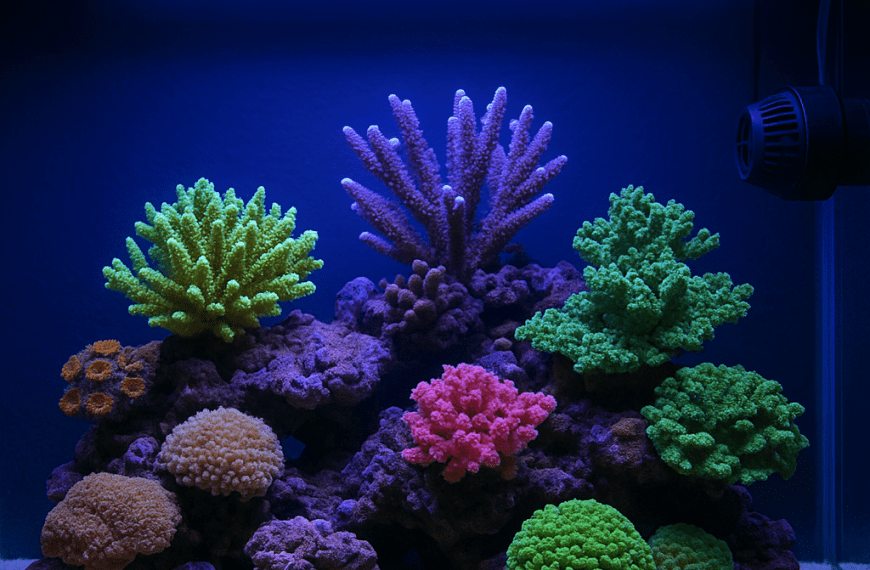
With the right conditions, Sailfin Tangs can be excellent reef citizens. They generally leave corals alone, focusing instead on algae and film growth on the rock and glass. Their constant movement adds life and scale to SPS- and LPS-dominated systems.
Because they grow large—often 10–15 inches (25–38 cm) in captivity—it’s important to plan for their adult size from the beginning. If your system is on the smaller side, consider alternative algae grazers covered in our best tangs for reef tanks guide before committing to a Sailfin.
When provided with ample space, stable water parameters, and a diet rich in marine algae, the Sailfin Tang becomes a hardy, long-lived showpiece. Its impressive fins and bold patterning make it a rewarding choice for advanced hobbyists ready to support a larger, more active fish in their reef display.
Sources
- Michael, S. (2001). Reef Fishes Volume 1. Microcosm.
- Fenner, R. (2001). The Conscientious Marine Aquarist. TFH Publications.
- Sprung, J. (2001). Invertebrates: A Quick Reference Guide. Ricordea Publishing.
- FishBase & common aquarium trade observations for Zebrasoma species care.
 By
By