A quarantine tank protects your display from pests and disease. It also gives new fish time to eat and settle. This guide covers a simple, repeatable setup that works for most marine fish.
Section 1: Choose the right tank and gear
Pick a tank size that matches the fish. Use 10 to 20 gallons for small fish. Use 29 to 40 gallons for tangs and angels. Bigger water volume stays stable longer.
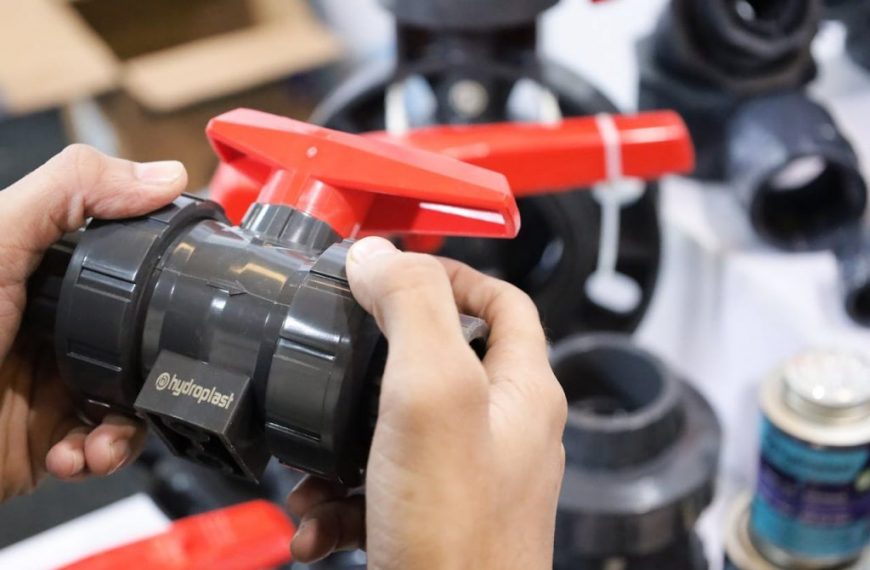
Keep the setup bare bottom for easy cleaning. Add several PVC elbows for hiding spots. Use a tight lid to stop jumpers. Add a simple light for inspections and feeding.
Use a heater and a small powerhead for flow. Add an air stone if you run medications. Many meds lower oxygen levels. A sponge filter is ideal for biological filtration.
Seed the sponge filter ahead of time in your sump. Give it at least 2 weeks. Four weeks is better. If you cannot seed it, plan on daily testing and water changes.
- Tank: 10–40 gallons, bare bottom, tight lid
- Filtration: seeded sponge filter plus air pump
- Heat and flow: 78°F target, moderate circulation
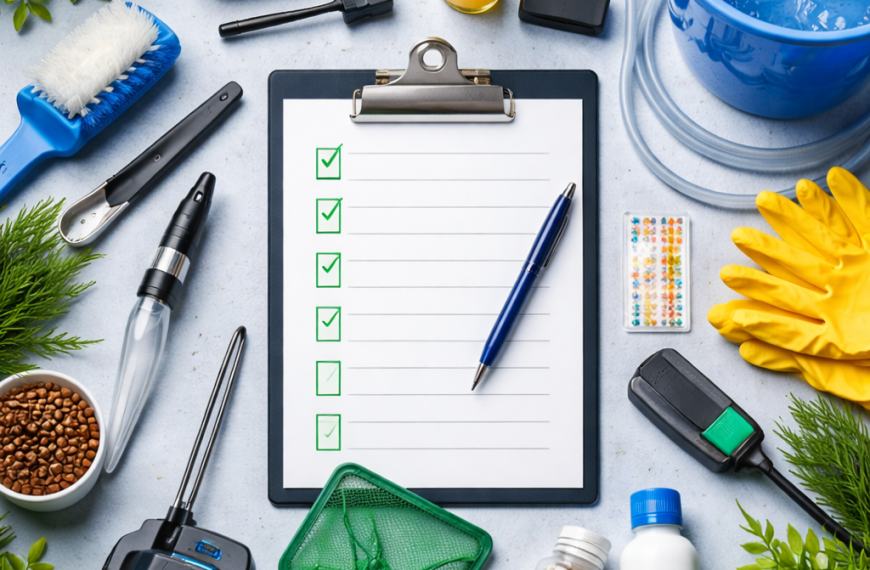
- Tools: ammonia test, siphon hose, extra buckets
For more on stable filtration, see how to cycle a saltwater aquarium. If you need a shopping checklist, use our reef tank maintenance checklist.
Section 2: Water parameters, acclimation, and daily routine
Match your quarantine water to your display. Aim for 1.025 specific gravity and 78°F. Keep pH near 8.1 to 8.3. Keep ammonia and nitrite at 0 ppm.
Acclimate slowly and reduce stress. Dim the lights before opening the bag. Float the bag for 15 minutes. Then drip acclimate for 30 to 45 minutes.
Feed lightly for the first two days. Offer small meals twice daily. Remove leftovers after five minutes. This keeps ammonia down and improves appetite.
Test ammonia daily for the first week. Use an alert badge if you like. If ammonia hits 0.25 ppm, act fast. Do a 25 to 50% water change and add detoxifier.
- Daily: check temperature, respiration, and appetite
- Daily: test ammonia for week one, then every other day
- Weekly: clean PVC and siphon waste from the bottom
Watch for common early issues. Heavy breathing can mean low oxygen or gill irritation. Flashing can mean parasites or ammonia burn. Frayed fins often improve with clean water and cover.
Section 3: Treatment planning and troubleshooting
Decide on observation-only or proactive treatment. Observation works for hardy fish from trusted sources. Proactive plans can reduce risk with unknown suppliers. Keep one plan and follow it every time.
A common observation period is 30 days. Extend to 45 days for delicate fish. If symptoms appear, reset the clock after treatment ends. This avoids moving a still-infected fish.
Never treat invertebrates in fish quarantine. Copper and many antibiotics can kill them. Use a separate invert quarantine if needed. Learn more in quarantine corals and inverts.
Plan for the most common mistakes. Do not use sand or rock in fish quarantine. They absorb medications and trap waste. Do not rely on bottled bacteria alone. It can lag behind feeding.
- If fish stops eating: reduce light, add more PVC, try frozen mysis
- If ammonia spikes: stop feeding for 24 hours, change 50% water
- If disease spreads: increase aeration, confirm dose, keep notes
Keep a simple log for each fish. Record arrival date, foods accepted, and test results. Note any spots, mucus, or fin damage. Clear notes prevent missed steps and rushed transfers.
Sources: Humblefish Disease Forum (quarantine and treatment protocols); Noga, E.J. “Fish Disease: Diagnosis and Treatment”; Fenner, R. “The Conscientious Marine Aquarist”.
A quarantine tank is cheap insurance for your reef. It also improves survival for new arrivals. Start simple, stay consistent, and let stable water do most of the work.

 By
By