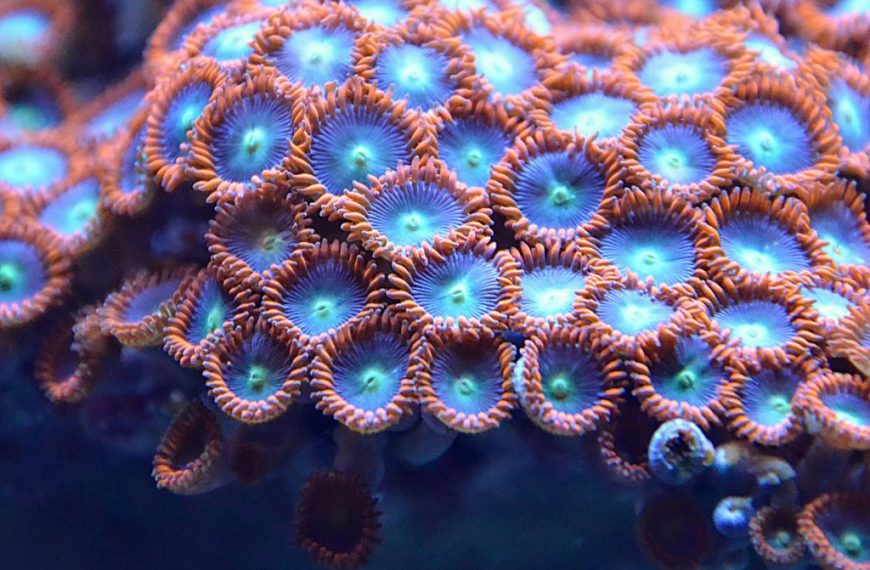
Corals and inverts can carry pests. They can also carry fish diseases on wet surfaces. A simple quarantine routine lowers risk and saves livestock.
Why quarantine corals and inverts matters
Coral frags often arrive with hitchhikers. Common pests include flatworms, nudibranchs, and red bugs. Some pests eat tissue fast. Others irritate polyps and slow growth.
Inverts can also bring trouble. Snails and crabs may carry algae spores. They can also carry vermetid snails or aiptasia. Even clean shells can hide eggs and larvae.
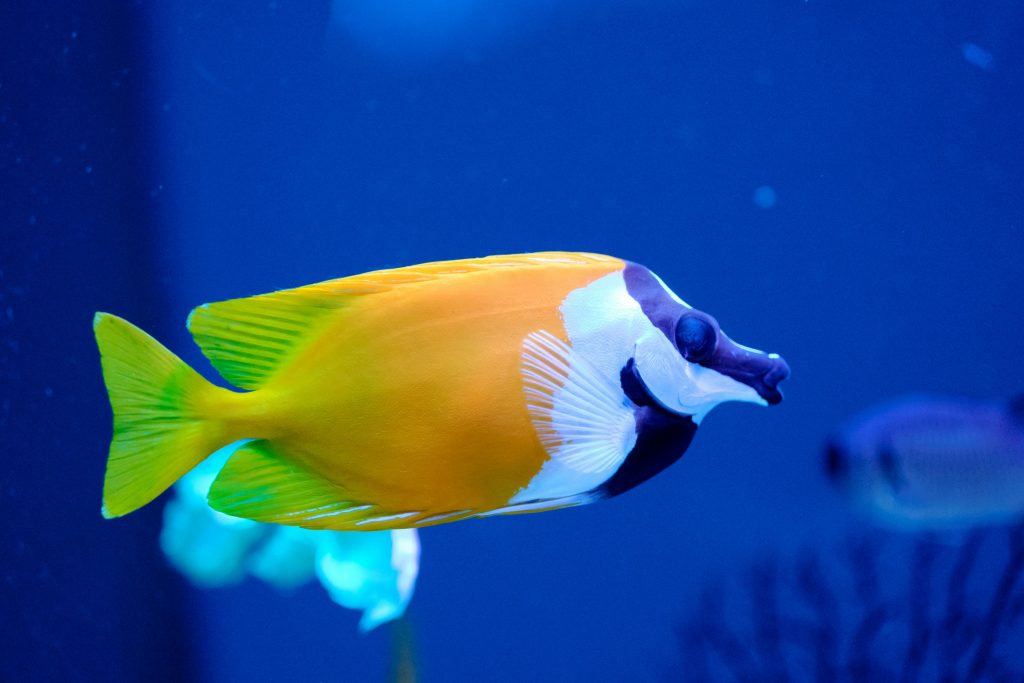
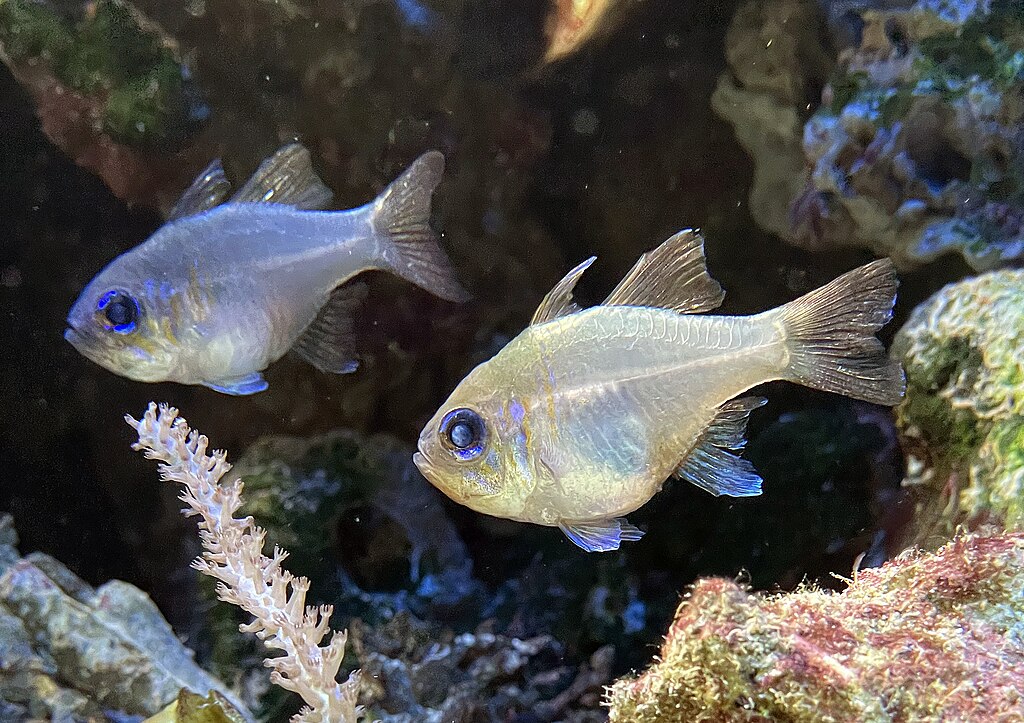
Quarantine also reduces disease transfer. Fish parasites like ich need fish hosts. Yet cysts can ride in on water, plugs, and bags. A fishless holding period helps break that chain.
Use quarantine as an inspection window. You can correct shipping stress. You can spot tissue loss early. You can also confirm new inverts behave as expected.
- Plan for a 30-day coral and invert quarantine when possible.
- Keep the quarantine tank fishless at all times.
- Assume every plug and shell can carry eggs.
For deeper fish protocols, see quarantine tank setup. For pest ID photos, use reef pest identification guide.
Build a simple coral and invert QT setup
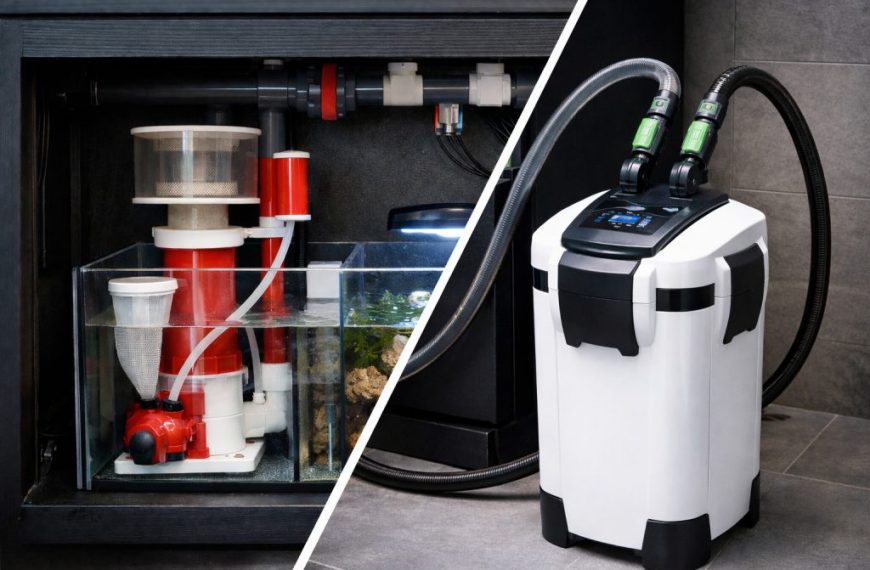
A basic coral QT can be 10 to 20 gallons. Use a small heater and a lid. Add a sponge filter or hang-on-back filter. Seed the sponge in your sump for two weeks.
Use stable light and flow. Start with low to moderate PAR. Aim for 50 to 150 PAR for mixed frags. Use a simple powerhead for random flow. Avoid blasting fleshy LPS.
Match reef parameters closely. Keep salinity at 1.025 to 1.026. Hold temperature at 77 to 79°F. Keep alkalinity at 8 to 9 dKH. Keep calcium near 420 ppm and magnesium near 1300 ppm.
Keep nutrients present but controlled. Target nitrate 2 to 10 ppm. Target phosphate 0.03 to 0.10 ppm. Test twice weekly at first. Do 10% water changes each week.
- Use a bare bottom tank for easy cleaning.
- Mount frags on a rack, not on rock.
- Label each frag with arrival date and source.
Do not share tools between tanks. Use separate tweezers and cutters. If you must share, soak tools in 3% hydrogen peroxide for 10 minutes. Rinse and air dry fully.
Dips, inspections, and a safe timeline
Start with a careful visual check. Use a white tray and a flashlight. Look under frag plugs and in crevices. Scrape off visible eggs with a pick or toothbrush.
Remove the frag from the plug when you can. Many pests lay eggs on the plug rim. Re-mount on a clean ceramic plug. Use gel cyanoacrylate and let it cure for 5 minutes.
Use a coral dip as a first pass. Follow the product label for dose and time. Many dips run 5 to 15 minutes with strong aeration. Rinse in clean saltwater before the QT tank.
Run a fishless observation period. Aim for 30 days for most frags. Extend to 45 days if you see pests. Inspect twice weekly and dip again if needed. Record what you find each time.
- Day 0: Inspect, de-plug, dip, and place on a rack.
- Days 1-14: Inspect every 3 to 4 days. Correct light and flow.
- Days 15-30: Inspect weekly. Confirm polyp extension and growth.
Inverts need a different approach. Do not dip most snails, shrimp, or crabs. Instead, rinse bag water off with clean saltwater. Then hold them fishless for 30 days. This reduces hitchhiker transfer and breaks fish parasite cycles.
Common mistakes cause most failures. Do not rush the timeline. Do not add “just one fish” to coral QT. Do not reuse shipping water. If algae blooms, reduce light to 6 hours daily and increase water changes.
For acclimation details, review drip acclimation for saltwater. It helps with shrimp and sensitive snails.
Troubleshooting: what to do when something looks wrong
If coral stays closed for 48 hours, check basics first. Verify salinity with a calibrated refractometer. Confirm temperature swings are under 1°F daily. Check alkalinity for stability within 0.3 dKH.
If you see bite marks or tissue loss, act fast. Dip again and inspect for nudibranchs or flatworms. Reduce light by 20% for three days. Increase flow slightly to keep detritus off tissue.
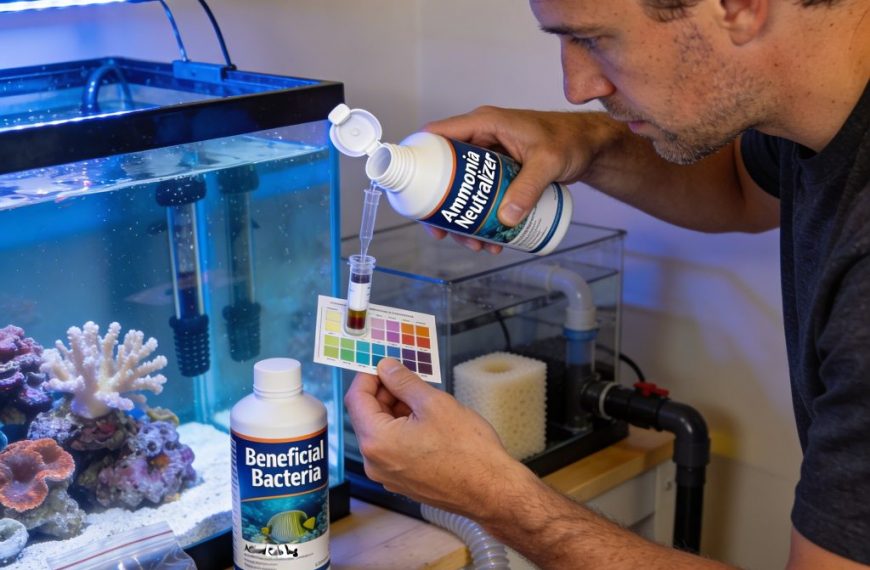
If inverts die in QT, suspect ammonia. Use an ammonia badge and test kit. Keep ammonia at 0 ppm. Add extra cycled media and do a 25% water change. Feed very lightly for the first week.
When the QT period ends, match parameters before transfer. Aim for salinity within 0.001 specific gravity. Match temperature within 1°F. Move frags without QT water when possible. This keeps contaminants out of the display.
Sources: Borneman, E. (2001) Aquarium Corals; Delbeek, J.C. & Sprung, J. (1994-2005) The Reef Aquarium Vol. 1-3; Humblefish (reference articles on marine quarantine principles).
 By
By