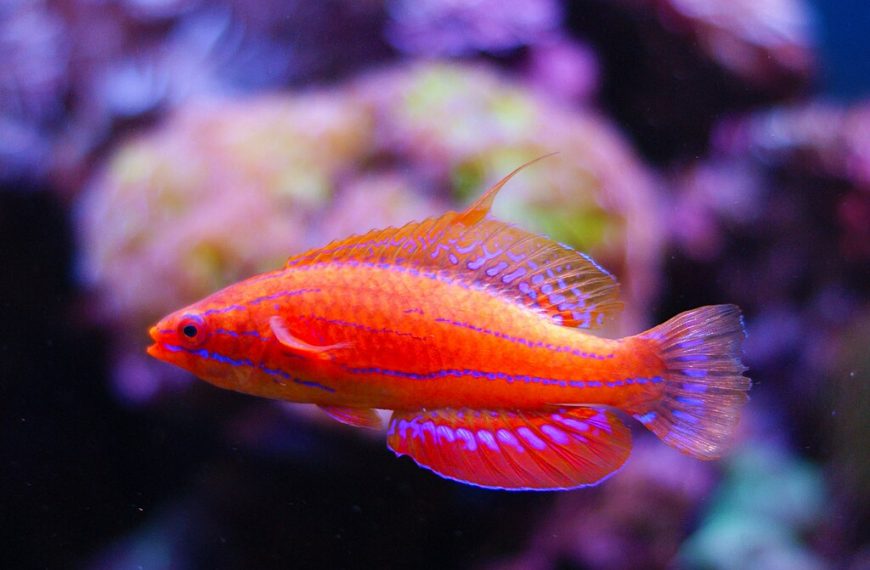
Fish get sick fast. Corals can decline even faster. A ready hospital kit saves time and livestock when things go wrong.
Section 1: Core gear to isolate, observe, and stabilize
Start with a dedicated hospital tank. Use 10 gallons for small fish. Use 20 gallons long for most community fish. Use 40 gallons breeder for tangs or angels.
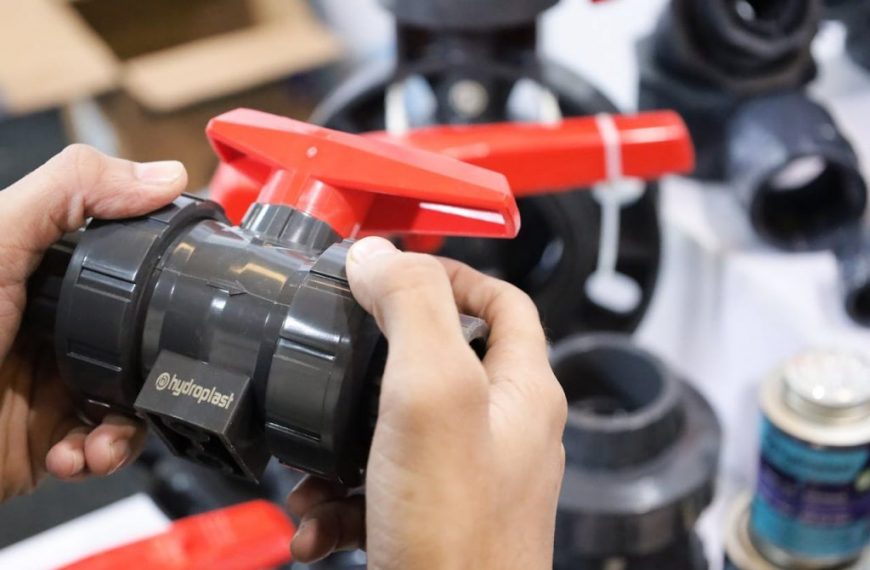
Keep the setup bare bottom. Add PVC elbows for shelter. Skip sand and rock. They absorb medications. They also hide waste and parasites.
Use a tight lid. Sick fish jump more. Add a heater and thermometer. Target 77–79°F for most tropical fish. Match your display temperature for easier transfers.
Filtration should be simple and controllable. Use an air pump with a sponge filter. Keep a spare sponge seeded in your sump. Add an ammonia alert badge for quick checks.
- Tank: 10–40 gallons, bare bottom
- Heater: sized at 3–5 watts per gallon
- Air pump, airline, check valve, sponge filter
- PVC fittings for hides, plus a dark towel for sides
- Dedicated net, siphon hose, and bucket
Have saltwater ready at all times. Store 5–20 gallons of mixed water. Match salinity at 1.025 specific gravity. Keep extra RO/DI water for top-off.
Section 2: Meds, tests, and step-by-step emergency workflow
Stock medications for the most common problems. For parasites, keep chelated copper and a copper test kit. Target 2.0–2.5 ppm for Copper Power style products. Follow the label for your brand.
For flukes, keep praziquantel. Dose per instructions. Repeat after 5–7 days if needed. For bacterial issues, keep a broad antibiotic option. Use it only when symptoms fit.
Testing prevents treatment failures. Keep kits for ammonia, nitrite, nitrate, pH, and copper. Add a refractometer and calibration fluid. Keep activated carbon to remove meds after treatment.
Use a simple response plan. First, move the fish to the hospital tank. Second, increase aeration. Third, stabilize water quality. Then decide on medication based on symptoms.
- Step 1: Match temp and salinity, then transfer with a container
- Step 2: Add air stone and aim for strong surface agitation
- Step 3: Test ammonia twice daily for the first three days
- Step 4: If ammonia hits 0.25 ppm, change 25–50% water
- Step 5: Dose meds only after parameters are stable
Use real scenarios to guide choices. White dots and flashing often suggest ich. Velvet often shows fine dust and rapid breathing. Flukes can cause yawning and cloudy eyes.
Common mistake one is treating in the display. It risks corals and inverts. Common mistake two is under-aeration during copper. Copper reduces oxygen tolerance. Add extra air every time.
Common mistake three is chasing pH with buffers. Focus on gas exchange instead. Keep pH stable around 7.9–8.3. Use fresh saltwater changes to correct drift.
Section 3: Coral and invertebrate first aid, plus long-term readiness
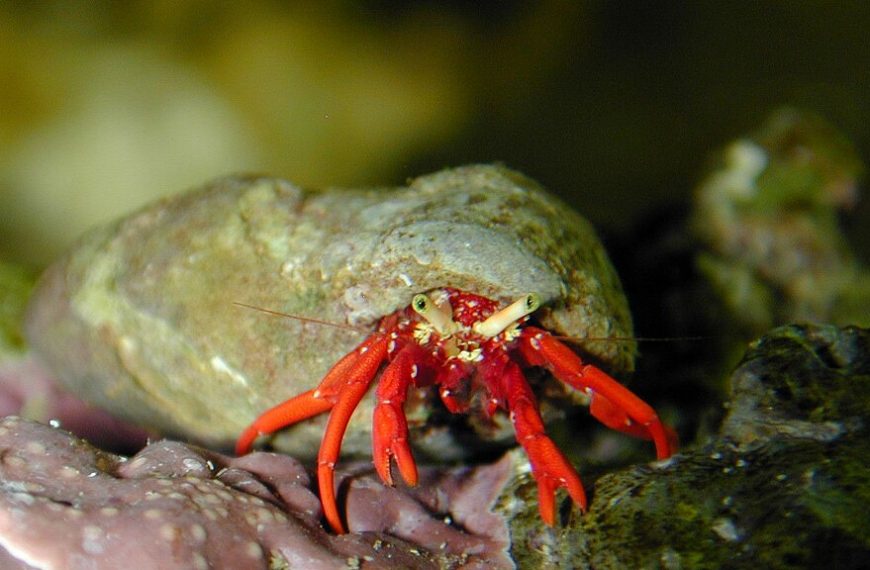
Coral emergencies need different tools. Keep iodine dip, coral cutters, and super glue gel. Use a small frag rack in a low-flow container. This helps you isolate a damaged frag.
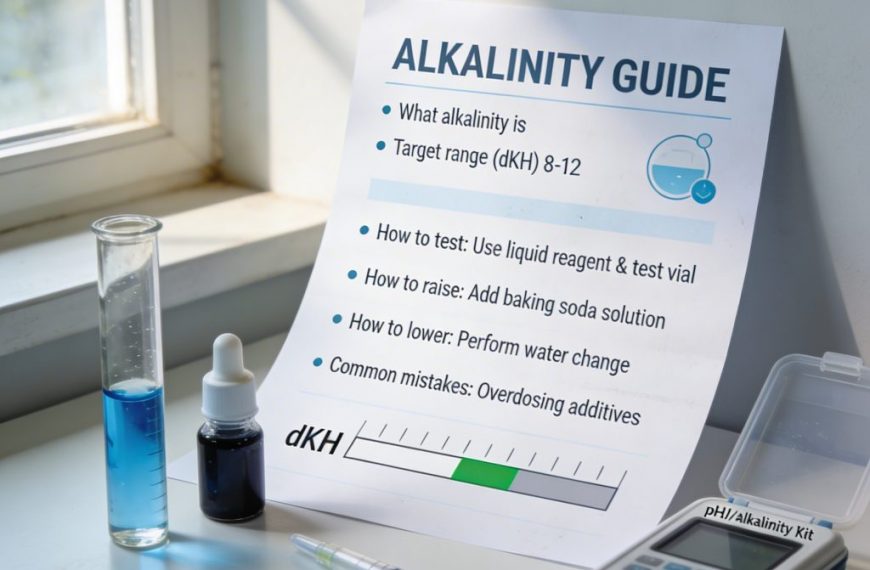
Keep parameters stable during a coral event. Target alkalinity 8–9 dKH. Keep calcium 420–450 ppm. Keep magnesium 1250–1400 ppm. Keep nitrate 5–15 ppm and phosphate 0.03–0.10 ppm.
Have a plan for toxins and crashes. Keep fresh carbon and a media bag. Run carbon after a coral slime event. Add Poly-Filter style pads if you suspect contaminants.
Replace expired items twice per year. Label meds with open dates. Store kits in a sealed bin. Keep a printed checklist with your kit. Review it during routine maintenance.
- Keep two spare heaters and one spare air pump
- Store 1–2 pounds of activated carbon for emergencies
- Keep nitrile gloves, eye protection, and measuring syringes
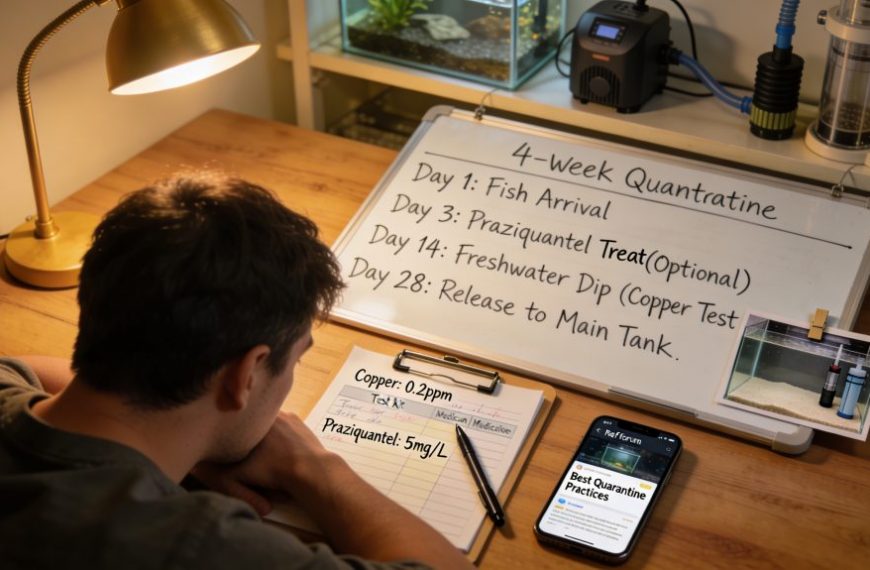
- Log doses and test results in a notebook or app
For deeper planning, review our quarantine tank setup guide. Keep your response consistent with our reef water parameters chart. If you see rapid breathing, use our fish disease symptoms checklist before dosing anything.
A hospital kit is peace of mind. It also improves daily husbandry. Build it once, then maintain it like insurance. Your future self will thank you during the next surprise outbreak.
Sources: Humblefish Disease Treatment Guides; Noga, E.J. Fish Disease: Diagnosis and Treatment; Borneman, E. Aquarium Corals
 By
By