Fish acclimation prevents shock from fast changes in salinity, temperature, and pH. A careful process also lowers stress and disease risk. Use a repeatable method every time you add a new fish.
Prep work before the bag is opened
Start by confirming your display tank is stable. Aim for 1.024–1.026 specific gravity, 24–26°C, and pH 8.0–8.4. Keep ammonia and nitrite at 0 ppm. Keep nitrate under 20 ppm for most community fish.
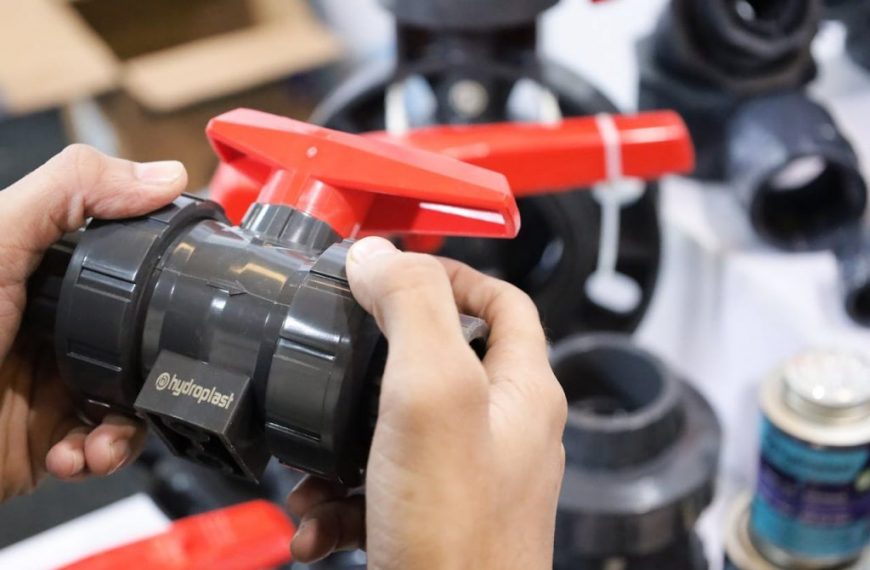
Set up a simple acclimation station. Use a clean bucket, a thermometer, and an airline tube. Add a valve or tie a loose knot for drip control. Keep a fish net and a lid nearby. Fish can jump when stressed.
Plan to quarantine if you can. A 10–20 gallon bare tank works for most small fish. Use a sponge filter and a heater. Learn the basics in our quarantine tank setup guide. Quarantine reduces parasite spread in your display.
Before opening the bag, dim the room lights. Turn off strong white lights on the tank. Leave pumps running for oxygen. Avoid feeding during acclimation. Extra waste can spike ammonia in small volumes.
- Match temperature first, then salinity, then pH.
- Never pour store water into your aquarium.
- Have a timer ready for consistent drip rates.
Step-by-step drip acclimation for most marine fish
Float the sealed bag for 15 minutes to equalize temperature. Then open the bag and roll the top down. This creates an air collar for stability. Pour the fish and water into your bucket. Keep the bucket low to prevent siphon accidents.
Start a siphon from the tank to the bucket with airline tubing. Adjust to 2–4 drips per second. For delicate species, use 1–2 drips per second. Acclimate for 30–45 minutes in most cases. Aim for a 2–3x increase in bucket volume.
Measure salinity in the bucket after 20 minutes. Use a refractometer, not a swing arm. If the bucket is within 0.001–0.002 SG of the tank, you are close. If it is still off, continue for another 15 minutes. Remove half the bucket water once if it fills too much.
Transfer the fish with a net or specimen cup. Do not add the bucket water to the tank. Place the fish near rockwork for cover. Keep lights low for 4–6 hours. Offer a small meal after the fish settles.
- Typical drip rate: 2–4 drips per second for hardy fish.
- Target acclimation time: 30–45 minutes for most shipments.
- Stop when salinity is within 0.001–0.002 SG of the tank.
Special cases, troubleshooting, and common mistakes
Some fish ship in low salinity water. Many stores keep 1.018–1.022 SG to reduce parasites. Jumping straight to 1.026 can burn gills. In that case, extend drip time to 60 minutes. You can also raise salinity in quarantine over 2–3 days.
Watch for ammonia risk in the open bag. Shipping water can have high ammonia. Once opened, pH rises and ammonia becomes more toxic. Keep acclimation under 60 minutes for bag water starts. If the fish arrives in foul water, prioritize a faster transfer to quarantine.
Look for stress signals during acclimation. Rapid breathing, rolling, or lying on the side are warnings. Slow the drip if the fish looks worse. Check temperature in the bucket. Cold rooms can drop it fast. A small heater near the bucket can help.
Avoid adding fish to a new tank. New tanks can have unstable pH and oxygen swings. Use our cycling a saltwater tank checklist first. Also plan aggression control. Use an acclimation box for bullies. See introducing new reef fish for timing tips.
- If salinity gap is over 0.004 SG, use quarantine and raise salinity slowly.
- If fish gasps, increase aeration and confirm temperature is 24–26°C.
- If the bag water smells bad, shorten acclimation and avoid mixing water.
Good acclimation is simple and repeatable. Match temperature, then slowly match salinity and pH. Keep stress low with dim lights and gentle handling. Your fish will eat sooner and settle faster.
Sources: HumbleFish disease and quarantine articles; Borneman, “Aquarium Corals” (general stress handling); Fenner, “The Conscientious Marine Aquarist” (shipping and acclimation practices).
 By
By