Beginner Reef Corals: Easy, Colorful, and Forgiving Choices
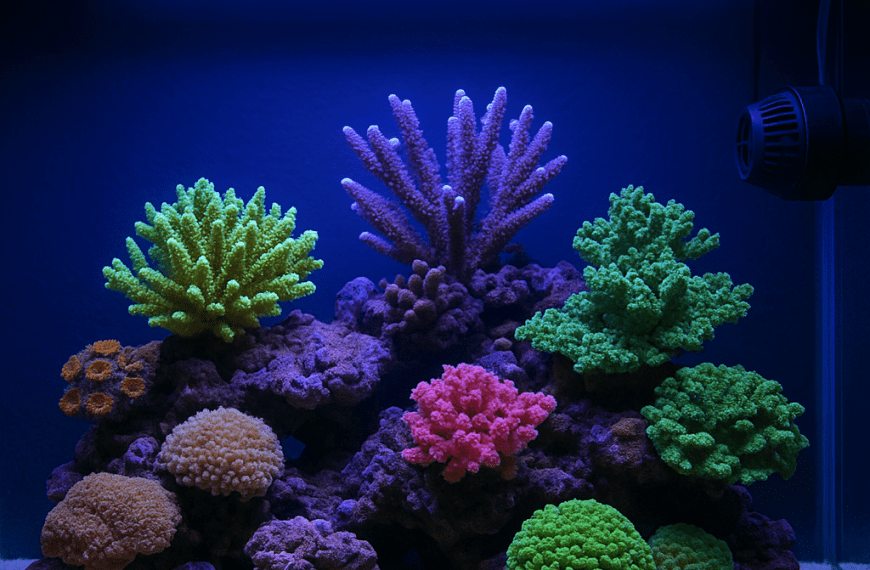
Starting your first reef tank is exciting, but choosing the right beginner reef corals can feel overwhelming. The good news: there are many hardy, colorful species that tolerate small mistakes while you learn saltwater basics like water chemistry, lighting, and flow. This guide walks through the best starter corals, what they need, and how to keep them thriving.
What Makes a Coral “Beginner-Friendly”?
Not all corals are equal when you’re new. Beginner corals tend to share a few traits:
- Hardy and forgiving – Can handle small swings in alkalinity, temperature, or nutrients.
- Moderate light & flow – Do well under common LED fixtures and basic wavemakers.
- Fast-growing – Recover quickly from minor damage and fragging.
- Readily available – Easy to find as aquacultured frags from local stores or fellow hobbyists.
If you’re still cycling your tank or learning about stability, check out our guide on setting up your first reef tank before adding corals.
Top Beginner Reef Corals to Start With
1. Soft Corals: The Easiest First Step
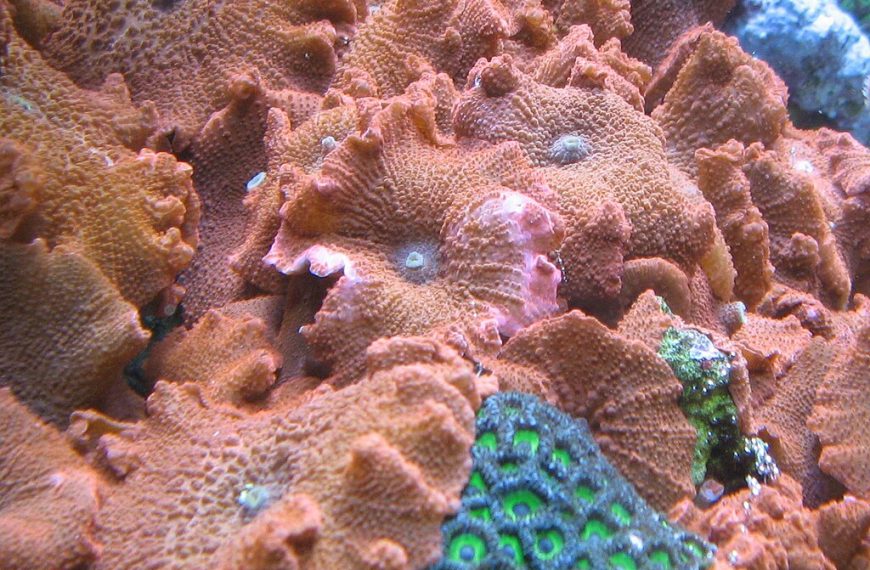
Soft corals are typically the best choice for a brand-new reefer. They lack a hard skeleton, grow quickly, and tolerate “dirtier” water.
- Zoanthids & Palythoas – Come in endless colors and patterns, perfect for filling rockwork. Start with hardy varieties rather than ultra-rare high-end morphs.
- Green Star Polyps (GSP) – Bright green, waving mat that looks amazing on an isolated rock island so it doesn’t overrun your aquascape.
- Leather corals (toadstools, finger leathers) – Great movement and very tough, ideal for tanks that are still maturing.
Tip: Many palythoa and some zoanthids can contain palytoxin. Always handle with gloves, avoid crushing them, and never scrub them with hot water.
2. LPS Corals: A Bit More Structure and Color
Large Polyp Stony (LPS) corals have fleshy polyps and a calcium skeleton. They’re still beginner-friendly as long as your parameters are reasonably stable.
- Duncan corals – Great for learning feeding response; they accept meaty foods and show clear signs of health.
- Hammer, Frogspawn, and Torch (Euphyllia) – Iconic flowing tentacles and bright colors. Start with hammer or frogspawn; torches tend to be more finicky.
- Trumpet/Candy Cane corals – Hardy, easy to frag, and quick to show growth when happy.
Before adding lots of LPS, review our tips on reef tank water parameters so calcium, alkalinity, and magnesium stay in range.
Placement, Care, and Growth Tips for New Reefers
Even hardy corals can struggle if placed poorly or added too soon. Keep these basics in mind:
- Wait for stability: Add your first corals only after ammonia and nitrite are zero and nitrate is consistently under control.
- Start low, move up: Place new frags low in the tank and gradually move them higher over 1–2 weeks if they need more light.
- Moderate flow: Polyps should sway, not whip. Closed or retracted polyps can signal too much flow or irritation.
- Target feeding: LPS like Duncans and hammers often benefit from occasional target feeding with small meaty foods.
- Plan for growth: Fast growers like GSP and some zoas can overtake rockwork. Isolate them on separate rocks or the back wall.
As your confidence grows, you can branch out into more demanding LPS and eventually beginner SPS, but there’s no rush—many hobbyists keep softy- and LPS-dominated tanks for years and love the movement and color.
Beginner reef corals are your best allies while you learn the rhythm of reef-keeping. By starting with hardy soft corals and a few forgiving LPS, placing them thoughtfully, and keeping your water stable, you’ll build a vibrant, living reef that’s both beautiful and manageable. When you’re ready to take the next step, explore our guide to lighting for reef tanks to fine-tune growth and coloration.
Sources
- Borneman, E. H. (2001). Aquarium Corals: Selection, Husbandry, and Natural History. TFH Publications.
- Delbeek, J. C., & Sprung, J. (1994–2005). The Reef Aquarium Vols. 1–3. Ricordea Publishing.
- Sprung, J. (2010). Corals: A Quick Reference Guide. Ricordea Publishing.
 By
By