Choosing fish and invertebrates for a first marine tank can feel overwhelming. The best beginner saltwater tank stocking ideas focus on hardy, peaceful species that fit your tank size, bioload, and long-term goals. Start slow, stock lightly, and build around animals with simple care needs.
A smart stocking plan prevents many common beginner problems. It reduces aggression, limits nutrient spikes, and makes feeding easier. It also helps you avoid impulse purchases that outgrow the tank or clash with reef-safe livestock. In this guide, you will learn how to stock a beginner saltwater aquarium step by step. We will cover safe fish combinations, clean up crew ideas, stocking by tank size, and common mistakes to avoid. You will also find practical examples that work well for fish-only tanks and beginner reef setups.
Quick Reference Table
| Tank Size | Good Beginner Fish | Clean Up Crew Ideas | Notes |
|---|---|---|---|
| 20 gallons | Ocellaris clownfish pair, firefish, watchman goby | Trochus snails, nassarius snails, small hermits | Keep stocking light. Avoid active swimmers. |
| 32 gallons | Clownfish pair, royal gramma, goby, blenny | Trochus, cerith, nassarius, cleaner shrimp | Great size for a simple beginner reef. |
| 40 gallons | Clownfish pair, gramma, firefish, goby, tailspot blenny | Mixed snail crew, shrimp, small hermits | Offers better stability and more options. |
| 55 gallons | Clownfish, gramma, blenny, goby, cardinalfish | Larger snail crew, shrimp, emerald crab with caution | Good for peaceful community stocking. |
| 75 gallons | Clownfish, wrasse, gramma, blenny, goby, cardinalfish | Diverse clean up crew | More room for territory and swimming space. |
What Makes a Good Beginner Saltwater Tank Stocking Plan?
A good stocking plan starts with restraint. New hobbyists often add too many fish too quickly. That usually ends with stress, algae, or disease. Saltwater tanks need time to adjust after each addition. Your filtration also needs time to keep up with rising waste.
Begin with hardy fish that tolerate minor beginner mistakes. Choose peaceful species first. Add shy fish before bold fish. Save territorial species for later, if you keep them at all. Always research adult size. Many fish look tiny in stores but become poor fits within months.
Think about your tank as a whole system. Fish produce waste. Waste becomes ammonia, then nitrite, then nitrate. Corals and invertebrates react badly to unstable water. Lighter stocking gives you more room for error. It also makes maintenance easier. If you want a reef tank, focus on reef-safe fish with calm behavior and modest feeding demands.
Helpful reads: how to cycle a saltwater tank, reef tank water parameters, best clean up crew for reef tank.
Best Beginner Saltwater Fish for Peaceful Community Tanks
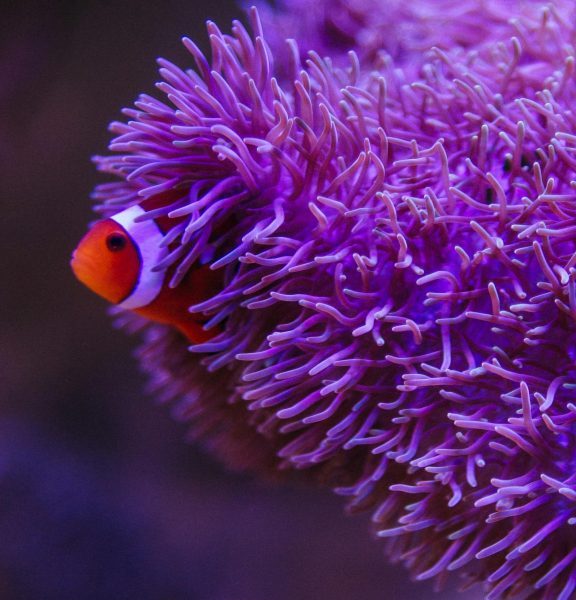
Some fish consistently do well in beginner systems. Ocellaris and percula clownfish top the list. They are hardy, widely available, and full of personality. A bonded pair works well in many tanks. They usually stay near one area, which helps in smaller aquariums.
Firefish are another favorite. They are peaceful and attractive. They need a covered tank because they jump. Royal grammas add bright color and usually stay manageable in community setups. Watchman gobies are hardy bottom dwellers. Many pair with pistol shrimp, which adds interesting behavior.
Tailspot blennies and bicolor blennies are great for algae picking and personality. Banggai cardinalfish are easy to feed and calm around most tank mates. In larger beginner tanks, some reef-safe wrasses can work well. Possum wrasses and pink-streaked wrasses are gentler choices than many larger wrasses.
Good beginner fish usually share a few traits. They stay relatively small. They accept prepared foods. They are not constant bullies. They also do not require huge swimming space. Avoid fish that need specialized diets unless you are ready for the extra work.
Beginner Saltwater Tank Stocking Ideas by Tank Size
Stocking depends heavily on volume and footprint. A 20-gallon tank can hold a simple, attractive community. Try a pair of ocellaris clownfish and one watchman goby. Another option is one clownfish pair and one firefish. Keep it light. Small tanks swing fast when nutrients rise.
A 32-gallon or 40-gallon tank gives you more freedom. You can keep a clownfish pair, one royal gramma, one goby, and one small blenny. That is a solid beginner reef list. It offers activity at different levels of the tank without crowding the system.
In a 55-gallon tank, consider a clownfish pair, royal gramma, tailspot blenny, watchman goby, and a banggai cardinalfish. In a 75-gallon tank, you can add another peaceful species, such as a small wrasse. Still, avoid the urge to fill every inch with fish. Stable water matters more than a busy tank.
Use your aquascape to support the plan. Caves help shy fish settle in. Open sand suits gobies. Open swimming lanes reduce stress. More rock is not always better. Fish need territory, but they also need room to move.
Best Clean Up Crew Ideas for a Beginner Saltwater Aquarium
A clean up crew helps manage algae, leftover food, and detritus. It does not replace maintenance. It supports it. Start with snails first. Trochus snails are excellent all-around grazers. Cerith snails help with film algae and crevices. Nassarius snails stir the sand and eat meaty leftovers.
Hermit crabs can work, but use them carefully. Some species kill snails for shells. If you keep hermits, choose smaller reef-safe types and provide spare shells. Cleaner shrimp are popular and beginner friendly. They add movement and may clean parasites or dead tissue from fish, though results vary.
For many beginner tanks, a modest crew works best. Do not buy a giant package based only on tank size. Match the crew to actual algae growth and feeding levels. Too many clean up crew animals can starve after the tank stabilizes. Add more only when needed.
A basic starting point for a 30 to 40-gallon tank is four to six trochus snails, three to five nassarius snails, two to four cerith snails, and one cleaner shrimp. Adjust based on algae, sand condition, and nutrient levels.
Step-by-Step Stocking Guide for New Saltwater Tanks
First, make sure the tank is fully cycled. Ammonia and nitrite must read zero. Nitrate should be present but controlled. Test before adding anything. Second, add your first hardy fish or your first small clean up crew. Do not add a full fish list at once.
Third, wait at least two weeks between additions. Watch feeding response, waste production, and behavior. Test nitrate and phosphate during this period. Fourth, add the most peaceful fish first. Add more territorial fish later. This prevents dominant species from claiming the entire tank too early.
Fifth, quarantine if possible. This is one of the best habits in marine fishkeeping. Many beginner losses come from introducing disease. Sixth, feed lightly at first. New tanks can spike nutrients fast. Increase feeding only when the tank proves stable.
Finally, stop before the tank feels full. Most beginners succeed more with fewer fish. The tank looks cleaner. Fish act more naturally. Corals also respond better when nutrients stay steady. Related guide: reef tank quarantine guide.
Compatibility Tips for Fish, Corals, and Invertebrates
Compatibility matters as much as hardiness. A fish can be easy to keep but still be a poor community choice. Clownfish can become territorial, especially in pairs. Dottybacks are colorful but often aggressive in smaller tanks. Six-line wrasses eat pests but may bully timid fish.
If you plan a reef tank, confirm each fish is reef safe. Some angelfish nip corals. Some butterflyfish eat polyps. Some larger wrasses attack shrimp and snails. Gobies, grammas, clownfish, cardinalfish, and many blennies are usually safer choices for mixed reefs.
Also consider feeding style. Slow feeders can struggle with aggressive eaters. Firefish may hide if housed with boisterous tank mates. Bottom fish may compete for the same burrow or sand space. Add species that use different parts of the tank. This reduces conflict and creates a more balanced display.
Always check for jump risk. Firefish, wrasses, and gobies often jump when startled. A lid is not optional with these fish. It is basic equipment.
Common Problems
Why did my new tank get algae after adding fish?
Algae often appears when stocking increases too fast. More fish means more feeding and more waste. New tanks also go through normal ugly stages. Test nitrate and phosphate. Reduce feeding slightly. Improve export with water changes, skimming, and a better clean up crew. Avoid adding more fish until the tank stabilizes.
Why are my fish fighting?
Aggression usually comes from poor stocking order, limited territory, or incompatible species. Rearranging rock can help reset territories. In severe cases, remove the aggressor. Research adult behavior before buying. Many fish become more territorial as they mature.
Why did my fish die after I added several at once?
The tank may have suffered a mini cycle or oxygen stress. Disease is another common cause. Test ammonia immediately. Increase aeration. Perform a water change if needed. Going forward, add one fish at a time or one small group when appropriate. Quarantine new arrivals whenever possible.
Can I add a tang to a beginner tank?
Usually not in smaller setups. Tangs need swimming space and stable conditions. Most beginner tanks are too small. Even smaller tang species need larger footprints than many starter aquariums provide. Wait until you have a suitably sized tank and stronger husbandry skills.
Frequently Asked Questions
How many fish should a beginner saltwater tank have?
That depends on tank size, filtration, and fish choice. Most beginners should stock lightly. A 20-gallon tank may hold two to three small fish. A 40-gallon tank may hold four to five small fish. Focus on bioload, not just fish count.
What is the easiest saltwater fish for beginners?
Ocellaris clownfish are among the easiest. They are hardy, easy to feed, and widely available. Firefish, royal grammas, and watchman gobies are also good beginner choices.
Should I add corals or fish first?
Most hobbyists add a fish or small clean up crew first after cycling. Corals can come later once nutrients and stability improve. Soft corals are often the easiest first coral group.
Is a pair of clownfish enough for a small tank?
Yes. In many small tanks, a clownfish pair alone can make an excellent display. You do not need to fill every tank with many fish. Fewer fish often means better long-term success.
What fish should beginners avoid?
Beginners should avoid large tangs, mandarins in immature tanks, aggressive dottybacks, many butterflyfish, and fish with specialized diets. These species often need more experience or larger systems.
Final Thoughts
The best beginner saltwater tank stocking ideas are simple and realistic. Choose hardy fish. Add them slowly. Keep the community peaceful. Match every animal to your tank size and filtration capacity. A lightly stocked tank is easier to manage and more forgiving while you learn. If you build patiently, your first marine aquarium can stay healthy for years. For more planning help, see beginner reef tank setup.
Was this helpful?
Related Posts

Reef Tank Filtration Options
Learn the best reef tank filtration options, how each method works, and how to build a stable system…
 By
By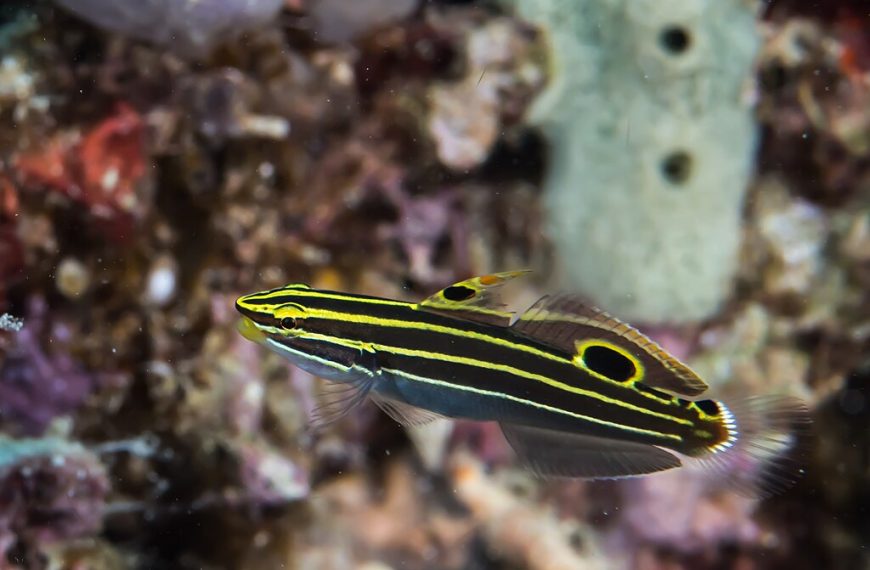
Hectors Goby (Koumansetta Hectori)
Hector’s goby is a peaceful, reef-safe sand sifter that thrives in mature tanks with fine sand, stable water,…