Copper can save fish during a parasite outbreak. It can also harm invertebrates and bacteria when used wrong. This guide explains how to use copper safely in saltwater systems.
When copper is the right tool
Copper treats external parasites like marine ich and velvet. It works best in a separate quarantine tank. Never dose copper in a reef display. Corals, snails, shrimp, and crabs can die fast.
Start by confirming symptoms and timing. Velvet often shows rapid breathing and fine dusting. Ich often shows larger white spots and slower progression. If fish are gasping, act the same day. Move fish to quarantine with matched salinity and temperature.
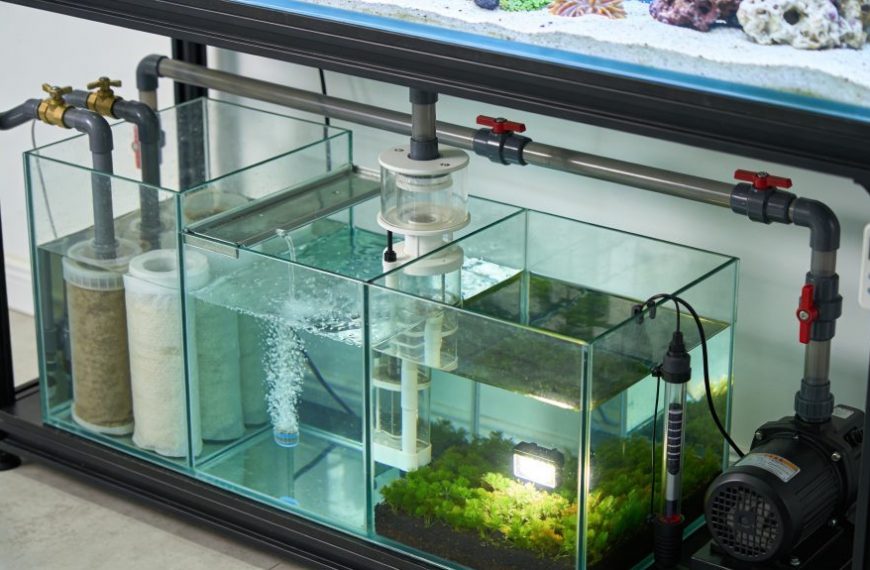
Use a bare-bottom tank for control and easy cleaning. Add a heater, air stone, and a sponge filter. Use PVC elbows for hiding spots. Do not use live rock or sand. Porous media absorbs copper and skews dosing.
Plan your workflow before dosing. Keep a log for test results and doses. Review your quarantine tank setup and your marine ich treatment guide. These steps prevent panic decisions later.
- Use copper only in a fish-only quarantine tank.
- Remove carbon, GFO, and resins before dosing.
- Increase aeration because copper lowers oxygen tolerance.
How to dose and test copper correctly
Pick one copper type and stick with it. Chelated copper is more stable and forgiving. Ionic copper can work but swings faster. Always match the test kit to the product. Many kits read one type better than the other.
Target a therapeutic range based on the label and your kit. Many chelated products run near 1.5–2.5 ppm. Many ionic products run near 0.15–0.25 ppm. Raise copper slowly over 24–48 hours. Sensitive fish handle ramps better.
Test at least twice daily for the first three days. Test daily after the level stabilizes. Copper drops after water changes and absorption. Dose after each change to restore the target. Keep salinity stable at 1.020–1.026 and temperature near 77–79°F.
Maintain the therapeutic level for a full course. Most protocols call for 14–30 days. Short courses often fail and cause relapse. After treatment, remove copper with fresh carbon and water changes. Then observe fish for 2 more weeks.
- Calibrate your test method with a known standard if possible.
- Mix new saltwater for at least 30 minutes before changes.
- Record date, copper level, dose amount, and fish behavior.
Troubleshooting and common mistakes
The most common mistake is dosing the display tank. Copper binds to rock and silicone over time. It can leach back later and kill inverts. If copper ever touched your display, run carbon and test repeatedly. Consider keeping the tank fish-only.
Another mistake is relying on “drops per gallon” without testing. Bottle droppers vary and tanks are rarely true volume. A 20-gallon tank with gear may hold 16 gallons. That error can push copper into toxic levels. Always dose by measured water volume and test results.
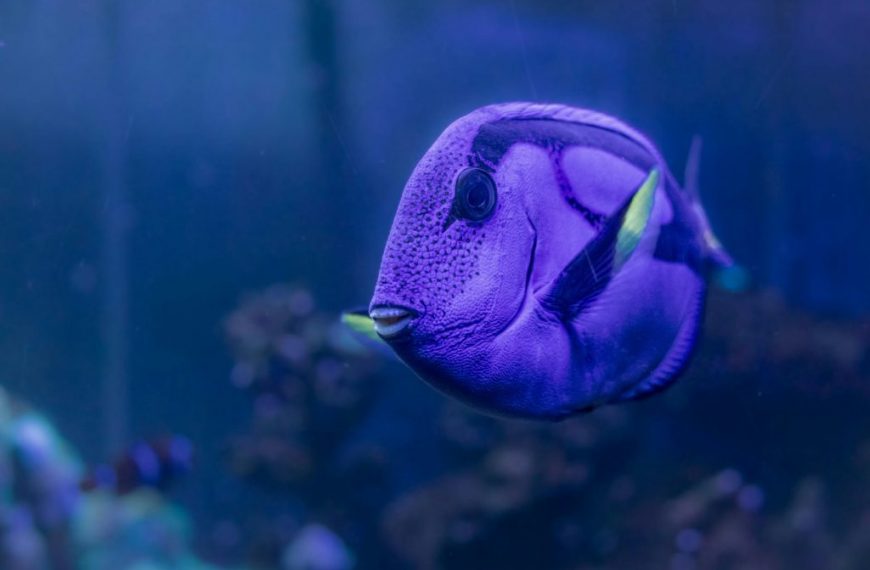
Watch for copper intolerance. Signs include loss of appetite, flashing, and lying on the bottom. Some wrasses and tangs react strongly. If signs appear, confirm the level with a second test. Lower copper by 25% with a water change and re-ramp slowly.
Ammonia spikes are also common in quarantine. Copper can stress biofilters and fish. Use an established sponge filter when possible. Test ammonia daily and keep it under 0.25 ppm. If needed, do small water changes and add bottled bacteria. Review ammonia control in quarantine for a simple plan.
- Do not combine copper with most other medications unless directed.
- Avoid porous decor, shells, and calcareous media.
- Keep lights dim to reduce stress during the first week.
Copper treatment works when you control the environment and measure everything. Use a dedicated quarantine tank, test daily, and hold the therapeutic range for the full course. With steady parameters and good records, you can clear parasites and protect your reef.
Sources: Humblefish disease treatment protocols (archived reference); Noga, E. “Fish Disease: Diagnosis and Treatment”; manufacturer dosing guides for chelated and ionic copper products.
 By
By