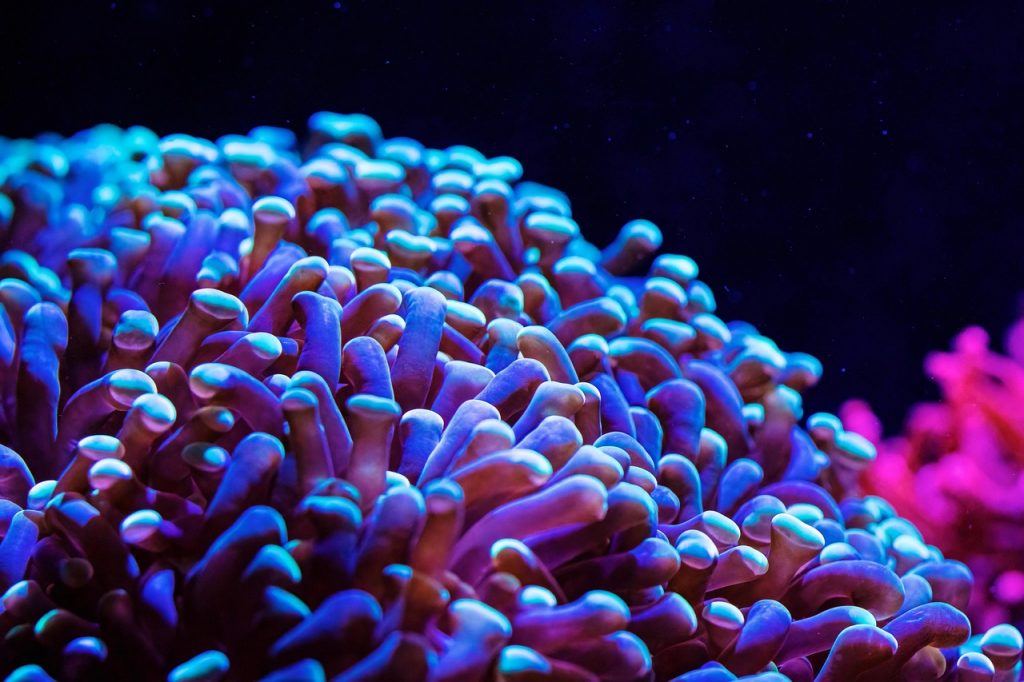
LPS corals (Large Polyp Stony corals) are a favorite in reef aquariums thanks to their big, fleshy polyps and movement. They’re generally more forgiving than many SPS corals, yet still reward good husbandry with steady growth and vivid color. This LPS coral care guide walks you through the key parameters, placement, feeding, and long-term maintenance so your reef can thrive.
Key Water Parameters & Lighting for LPS Corals
Stable water chemistry is the foundation of successful LPS coral care. Aim for these ranges:
- Temperature: 77–79°F (25–26°C)
- Salinity: 1.025–1.026 specific gravity
- Alkalinity: 8–9.5 dKH
- Calcium: 420–460 ppm
- Magnesium: 1300–1400 ppm
- Nitrate: 5–15 ppm (not ultra-low)
- Phosphate: 0.03–0.08 ppm
LPS corals usually prefer moderate light and do very well under LED, T5, or hybrid lighting systems. Too much light can cause tissue recession or bleaching, especially for species like Acanthastrea, Lobophyllia, and Trachyphyllia. Start them lower in the aquascape and gradually move them up over 2–3 weeks if needed.
For more on dialing in your system basics, see our guide on reef tank parameters.
Flow, Placement & Space Between Corals
LPS corals enjoy low to moderate, indirect flow. The goal is to keep detritus from settling while allowing the fleshy polyps to gently sway. If the tissue is whipping around or retracting constantly, the flow is too strong.
Placement Tips by Common LPS Types
- Hammer, torch, and frogspawn (Euphyllia): Mid to lower rockwork, moderate flow. Provide room for their long tentacles.
- Brain corals (Favites, Platygyra, Lobophyllia): Sand bed or low rock ledges with gentle flow.
- Chalice and Acanthastrea types: Lower light areas, often on the sand or shaded ledges.
Many LPS corals have sweeper tentacles that extend at night and can sting neighbors several inches away. Leave generous space between colonies and monitor night-time behavior before adding new pieces nearby.
Feeding, Growth & Long-Term Care
While LPS corals receive energy from their zooxanthellae, they respond very well to target feeding. Feed 1–2 times per week with:
- Small meaty foods (mysis shrimp, finely chopped seafood)
- Coral pellets or powdered coral foods
Turn off pumps during feeding so food can settle on the polyps. Most LPS show clear feeding responses: tentacles thicken, mouths open slightly, and food is pulled in.
Tip: Feed after lights dim or during the evening, when many LPS naturally extend their feeding tentacles.
As your LPS grow, they’ll consume more calcium, alkalinity, and magnesium. Regular testing and supplementation via two-part dosing, kalkwasser, or a calcium reactor will help maintain stability. For a deeper dive into setting up a stable system, check our beginner reef tank setup article.
Keep an eye out for early signs of stress such as receding tissue, pale coloration, or chronic polyp retraction. Address issues quickly by checking parameters, adjusting light or flow, and inspecting for pests. A simple, consistent maintenance routine—weekly water changes, filter cleaning, and glass scraping—goes a long way.
Final Thoughts: Building a Vibrant LPS Reef
LPS corals reward patience and consistency. Give them stable water, moderate light, gentle flow, and occasional targeted feeding, and they’ll repay you with movement, color, and steady growth. As you gain experience, you can mix LPS with soft corals or even carefully selected SPS species. When you’re ready to expand your collection, our soft coral care guide is a great next step.
With thoughtful placement and regular observation, your LPS-dominated reef can become the centerpiece of your home—and a thriving environment for its coral inhabitants.
Sources
- Borneman, E. H. (2001). Aquarium Corals: Selection, Husbandry, and Natural History.
- Delbeek, J. C., & Sprung, J. (1994–2005). The Reef Aquarium Vols. 1–3.
- Advanced Aquarist & Reefkeeping Magazine archival articles on LPS coral husbandry.
 By
By