Marine fish disease is often preventable. Most outbreaks start with stress, poor water, or skipped quarantine. A simple routine can block the common pathogens that wipe out new additions.
Build a prevention-first system
Start with stable water. Keep salinity at 1.025–1.026 specific gravity. Hold temperature at 77–79°F with a reliable heater. Aim for pH 8.1–8.4 and alkalinity 8–9 dKH. Keep ammonia and nitrite at 0 ppm at all times.
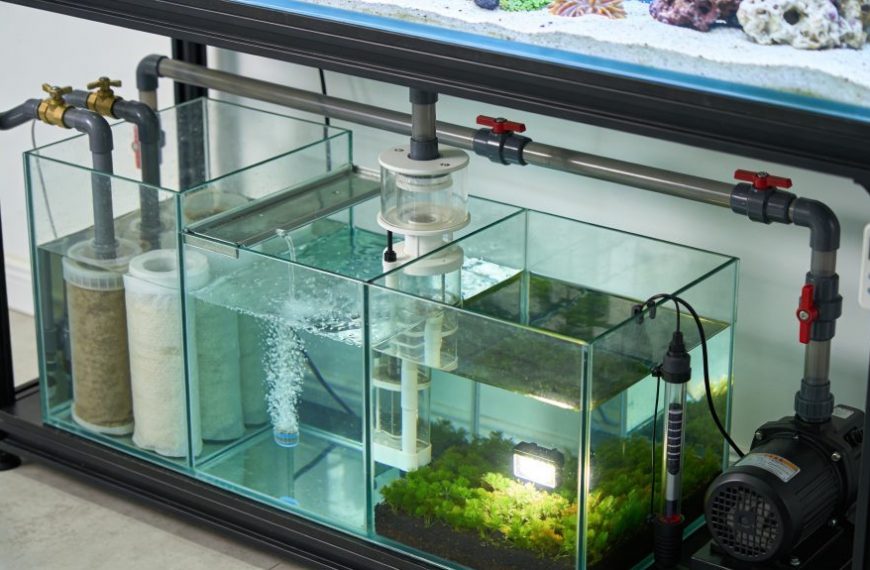
Use strong gas exchange. Add surface agitation and a sized skimmer. Low oxygen increases stress fast. Stress weakens immune response. It also makes parasites hit harder. Watch fish breathing rate during lights out.
Reduce nutrient swings. Keep nitrate near 5–20 ppm for most mixed reefs. Keep phosphate near 0.03–0.10 ppm. Avoid bottoming out nutrients. That can stress fish and destabilize bacteria. Test weekly until your tank is predictable.
Plan your stocking pace. Add one fish every 2–4 weeks. This limits aggression and bioload spikes. Feed small portions 2–3 times daily. Remove uneaten food after five minutes. For more on stability, see reef tank water parameters guide.
- Match salinity within 0.001 SG during acclimation.
- Keep temperature swings under 1°F per day.
- Clean filter socks every 2–3 days to prevent waste buildup.
Quarantine and observation that actually works
A real quarantine protects your display. Use a bare tank of 10–20 gallons for small fish. Use 30–40 gallons for tangs and angels. Add a sponge filter, heater, and lid. Provide PVC elbows for shelter. Keep lighting dim to reduce fear.
Quarantine length matters. Observe new fish for 30 days minimum. Many hobbyists use 45 days for extra safety. Feed well and watch behavior daily. Look for flashing, clamped fins, and rapid breathing. Check for white spots and velvet dusting.
Use an acclimation and intake routine. Float the bag for 15 minutes. Then drip acclimate for 20–30 minutes. Match salinity and temperature. Transfer fish with a container, not a net. Do not add bag water to quarantine.
Decide on your quarantine style. Observation-only works when sources are trusted. Prophylactic treatment lowers risk further. Copper targets ich and velvet in fish-only quarantine. Praziquantel targets flukes. Always use a test kit for copper. For step-by-step setup, see quarantine tank setup.
- Keep a cycled sponge filter ready in your sump at all times.
- Use an ammonia alert badge and test daily for week one.
- Do small water changes, like 10–20%, if ammonia rises above 0.25 ppm.
Troubleshooting early signs and common mistakes
Act fast when symptoms appear. Separate the fish to a hospital tank. Do not treat most meds in a reef display. Many medications harm inverts and bacteria. A simple 20-gallon hospital tank can save the whole collection.
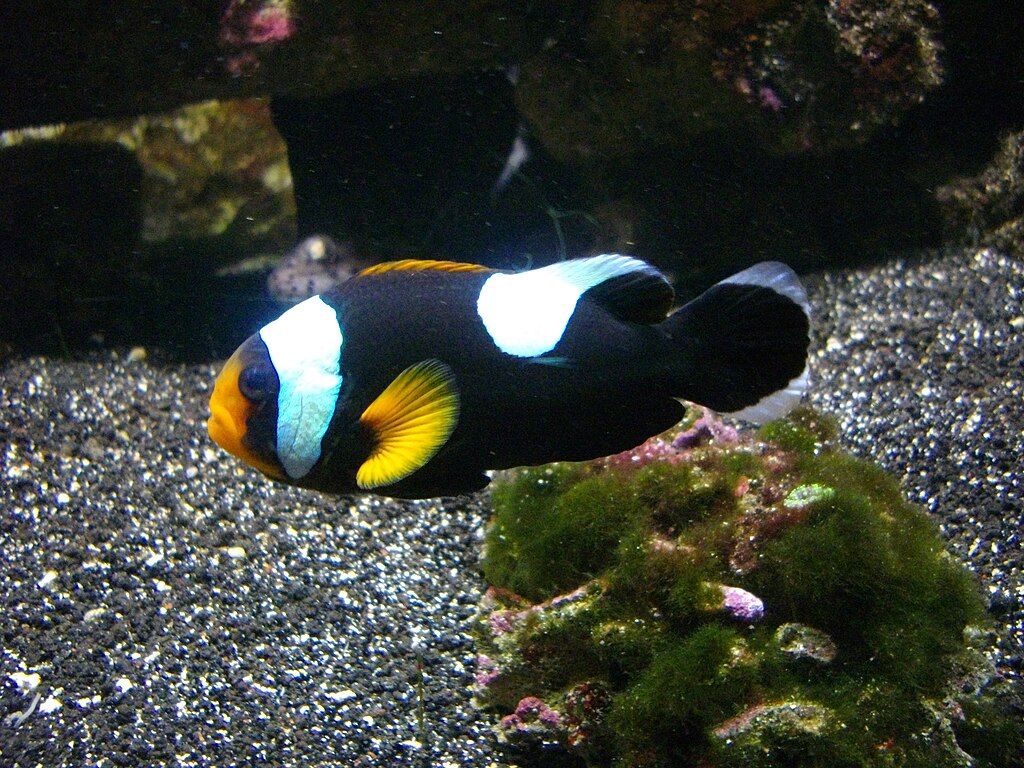
Know the common patterns. Ich often shows salt-like spots and normal appetite early. Velvet often shows fine dust and very fast breathing. Brooklynella often causes heavy slime and rapid decline in clownfish. Flukes cause flashing and cloudy eyes. Confirm with observation before dosing.
Avoid the biggest mistakes. Do not mix medications without a plan. Do not stop treatment early. Parasites rebound when dosing ends too soon. Keep copper in range for the full course. Many protocols run 14–30 days, depending on product.
Use nutrition as prevention support. Offer varied frozen foods and quality pellets. Add nori for herbivores daily. Soak food in vitamins 2–3 times weekly. Keep aggression low with rockwork and hiding spots. For feeding ideas, see marine fish feeding schedule.
- Quarantine all wet items, including snails and corals, for 45–76 days if possible.
- Use a separate net and siphon for quarantine tanks.
- Write down dates, doses, and test results to avoid missed steps.
Prevention beats treatment in every reef. Stable parameters, slow stocking, and a real quarantine stop most losses. Build the routine once, then follow it every time. Your fish will eat better, color up, and live longer.
Sources: Colorni & Burgess, “Cryptocaryon irritans Brown 1951, the cause of ‘white spot disease’ in marine fish”; Noga, “Fish Disease: Diagnosis and Treatment”; Hemdal, “Diseases of Marine Fishes”.
 By
By