Marine ich can wipe out fish fast. It often appears after stress or new additions. This guide covers proven treatments and practical steps.
Identify marine ich and confirm the diagnosis
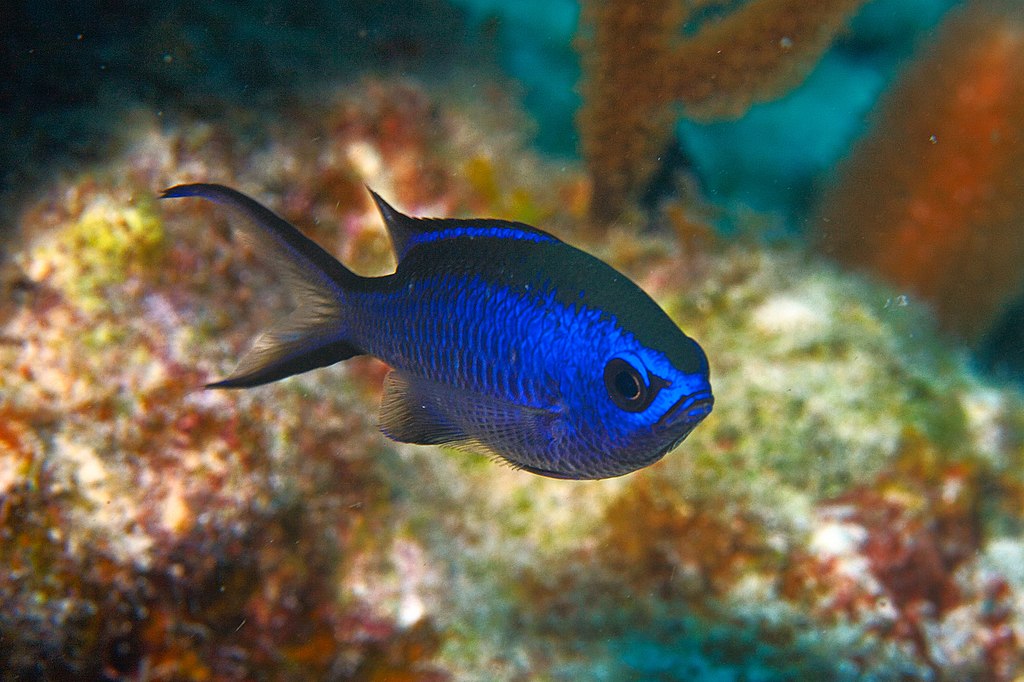
Marine ich is caused by Cryptocaryon irritans. It often looks like salt grains on fins. Fish may also scratch on rocks. Heavy breathing is common too.
Do not assume every white spot is ich. Velvet looks like fine dust and hits faster. Brooklynella causes heavy slime and frayed fins. Bacterial spots look raised and irregular.
Watch timing and behavior for clues. Ich often cycles in waves over days. Spots may vanish and return. That does not mean the fish is cured. It means the parasite moved stages.
Use a simple checklist before you treat. This prevents wrong meds and losses.
- Count spots each day and note where they appear.
- Check breathing rate and gill movement under light.
- Test ammonia and nitrite at 0 ppm in all tanks.
- Review recent stress events like moves or aggression.
If you need a quarantine setup plan, see our quarantine tank setup guide. For symptom comparisons, use this fish disease signs chart.
Treat the fish: copper, chloroquine, or hyposalinity
Move infected fish to a hospital tank. Do not treat ich in a reef display. Copper and many meds harm corals and inverts. A bare tank also lets you control dosing.
Copper is the most common option. Use a chelated copper made for marine fish. Target 2.0 to 2.5 ppm for many products. Always follow the label for your brand. Use a matching copper test kit. Test twice daily for the first three days.
Hold the therapeutic copper level for 14 to 30 days. Many hobbyists choose 30 days for safety. Keep salinity at 1.024 to 1.026 during copper treatment. Keep temperature stable at 78 to 80°F. Add extra aeration because copper lowers oxygen tolerance.
Chloroquine phosphate is another strong option. A common dose is 10 mg/L once, then maintain for 14 to 21 days. It is light sensitive and can degrade. Remove carbon and UV during treatment. Some fish eat less on it, so watch weight.
Hyposalinity can work in fish-only systems. Lower salinity to 1.009 specific gravity using a calibrated refractometer. Drop it over 24 to 48 hours. Hold 1.009 for 30 days. Raise it slowly over 5 to 7 days. Do not use hypo with sharks, rays, or many inverts.
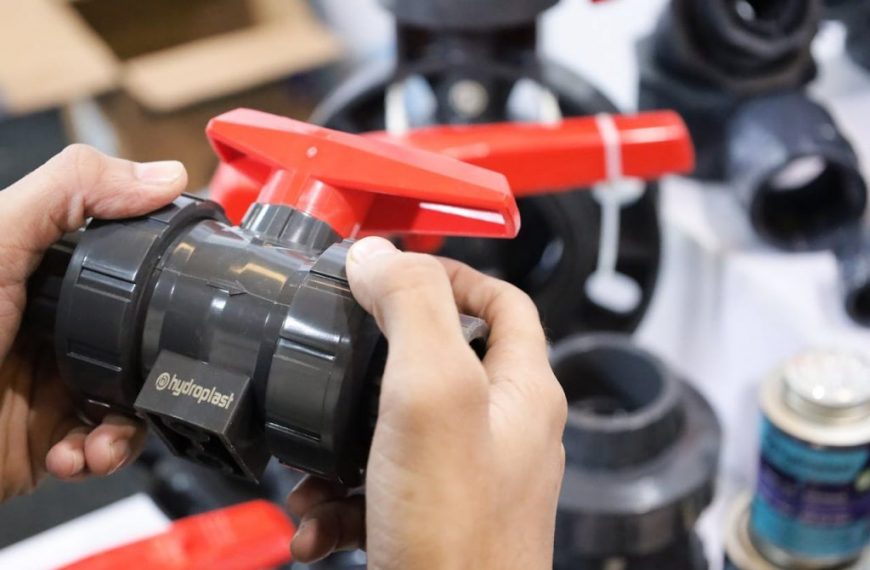
- Use PVC elbows for shelter and reduce stress.
- Feed small meals twice daily to support immunity.
- Keep ammonia below 0.25 ppm with daily testing.
- Use seeded media, but remove it before copper if needed.
Common mistakes cause treatment failure. Under-dosing copper is the top issue. Another issue is using carbon during meds. Mixing copper with other meds can also harm fish. When in doubt, treat one way at a time.
Clear the display tank: fallow period and prevention
Treating fish is only half the job. The display tank still holds parasite stages. Ich can persist without fish for weeks. A fallow period breaks the life cycle.
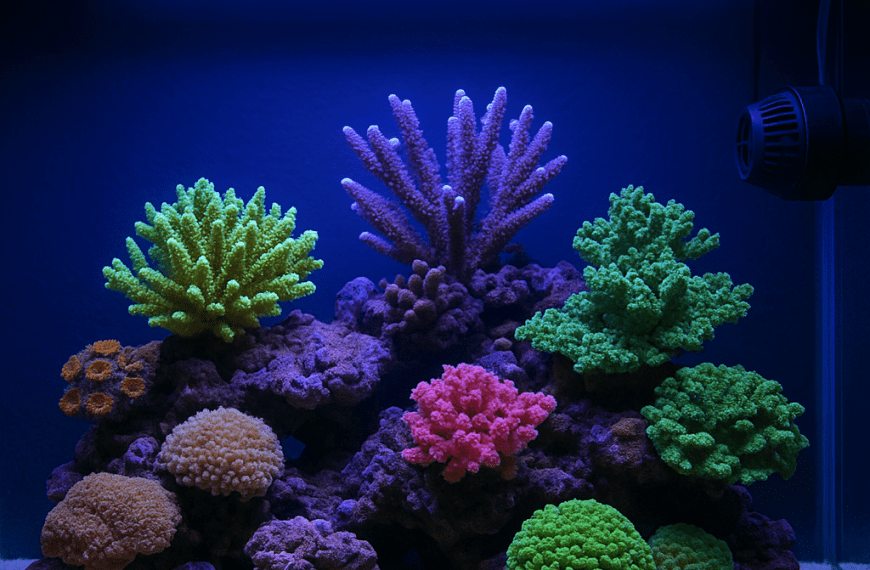
Remove all fish from the display. Leave corals and inverts in place. Run the tank fishless for 76 days. This duration covers delayed cycles in real tanks. Keep temperature stable at 78 to 80°F. Do normal maintenance and feeding for corals.
Do not add “ich-safe” fish during fallow. One fish resets the clock. Do not share nets or tools between tanks. Use separate buckets and towels. If you must share, disinfect and air dry fully.
Prevention is easier than treatment. Quarantine every fish for 30 days minimum. Many hobbyists use 45 days for caution. Observe appetite and breathing daily. Consider prophylactic copper or chloroquine in quarantine when appropriate. For long-term planning, read our fish quarantine timeline.
- Quarantine new fish for 30 to 45 days before the display.
- Match salinity and temperature during transfers to reduce stress.
- Keep stable parameters: pH 8.1 to 8.4, alkalinity 8 to 9 dKH.
- Avoid sudden light changes and aggressive tankmates.
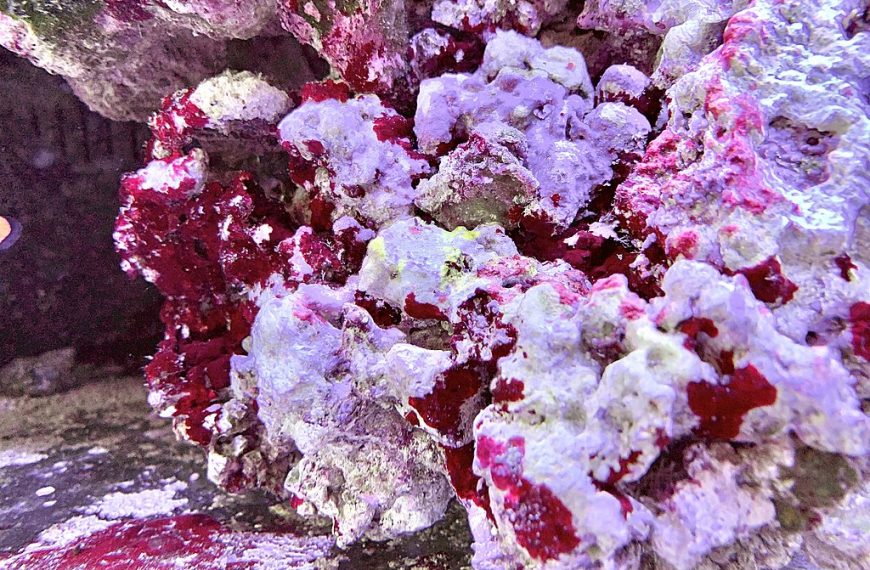
If fish relapse after treatment, review your process. Confirm copper stayed in range every day. Check for porous rock or sand in the hospital tank. These can absorb copper and lower levels. Also confirm the display was truly fishless for 76 days.
Marine ich is beatable with a plan and patience. Treat fish in a controlled hospital tank. Keep the display fallow long enough to end the cycle. Strong quarantine habits keep it from coming back.
Sources: Colorni, A. (1987) Biology of Cryptocaryon irritans; Noga, E.J. (2010) Fish Disease: Diagnosis and Treatment; Hemdal, J.F. (2020) Diseases of Marine Fishes.
 By
By