Reef tanks reward stable water. Testing is how you spot drift early. A simple schedule keeps coral growth steady and fish stress low.
Daily and Weekly Tests: Catch Fast Swings
Test temperature and salinity every day. These change fast from evaporation. Keep temperature at 77–79°F. Keep salinity at 1.025–1.026 specific gravity.
Check alkalinity two to three times weekly. Alk can drop quickly in coral tanks. Aim for 7.5–9.0 dKH for most mixed reefs. Test at the same time each day.
Test nitrate weekly in most tanks. Keep nitrate at 2–15 ppm for mixed reefs. Ultra-low nitrate can pale corals. High nitrate can fuel nuisance algae.
Test phosphate weekly too. Target 0.03–0.10 ppm for many reefs. Phosphate often rises from food and detritus. It can also crash from overuse of media.
- Daily: temperature, salinity, quick visual coral and fish check
- 2–3x weekly: alkalinity, especially in SPS or heavy LPS tanks
- Weekly: nitrate, phosphate, and a quick pH spot check
If you see odd behavior, test sooner. Gasping fish can mean low oxygen or ammonia. Closed polyps can signal alk swings. Use reef tank parameter guide targets to confirm your numbers.
Biweekly and Monthly Tests: Track Consumption
Test calcium and magnesium every two weeks. These move slower than alkalinity. Aim for calcium at 400–450 ppm. Keep magnesium at 1250–1400 ppm.
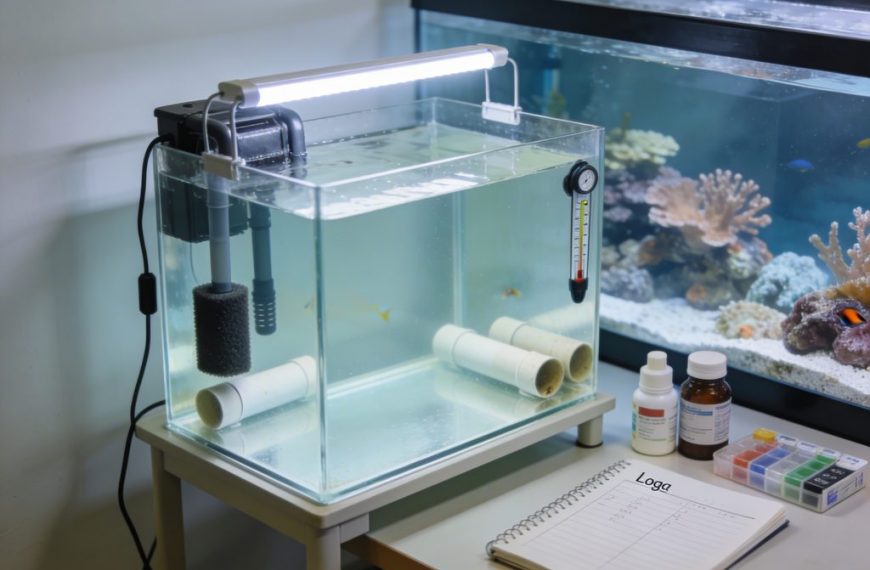
Record results in a log. Write the date, time, and dosing amount. Patterns show up fast with notes. This helps you set a stable dosing routine.
Test pH monthly with a calibrated probe if possible. Many tanks sit at 7.8–8.3 daily swing. Low pH often comes from high indoor CO2. Improve aeration or outside-air skimming if needed.
Check ammonia and nitrite monthly in mature tanks. Also test after any big change. Examples include a dead fish, sand storms, or new rock. Both should read 0 ppm in a stable reef.
- Every 2 weeks: calcium, magnesium, and a full log review
- Monthly: pH probe calibration, ammonia and nitrite spot checks
- After changes: test alkalinity daily for three days
Use consistent tools for consistent results. Rinse vials with tank water first. Replace reagents before expiration. For more setup detail, see how to test reef tank water.
Adjusting Your Schedule by Tank Type
New tanks need more frequent testing. For the first eight weeks, test ammonia daily. Test nitrite every other day. Test nitrate twice weekly as the cycle matures.
SPS tanks need tighter control. Test alkalinity daily until dosing is stable. Then move to three times weekly. Keep swings under 0.3 dKH per day.
Soft coral and fish-only tanks can test less. Weekly nitrate and phosphate is often enough. Still track salinity daily. Evaporation stresses fish fast.
Troubleshoot with a simple rule. If corals look off, test alkalinity first. Then test salinity and temperature. Next check nitrate and phosphate trends.
- Common mistake: chasing pH with buffers instead of fixing aeration
- Common mistake: changing two additives at once, then losing the cause
- Quick fix: do a 10% water change after a confirmed spike
If numbers look wrong, confirm with a second test. Cross-check with a fresh kit. Also test your mixed saltwater. Bad salt mix can mimic tank problems. See reef tank dosing basics for safer adjustments.
A reef tank testing schedule should feel routine. Start with daily salinity and temperature. Add alkalinity checks based on coral demand. With steady logs, your reef will tell you what it needs.
Sources: Randy Holmes-Farley, “Reef Aquarium Water Parameters”; Julian Sprung, “The Reef Aquarium” series; Borneman, “Aquarium Corals.”
 By
By