Starting a saltwater tank feels complex at first. A simple checklist keeps you calm and consistent. Use this guide to avoid costly early mistakes.
Section 1: Plan the tank and buy the right gear
Pick a tank size that forgives mistakes. A 20–40 gallon tank is easier than a 10. Larger water volume stays stable. It also dilutes small dosing and feeding errors.
Choose a goal before you buy livestock. Fish-only is simplest. A soft coral reef needs stronger light. A mixed reef needs better testing and stability. Write your goal on paper.
Buy core equipment once, not twice. Use a heater sized at 3–5 watts per gallon. Add a thermometer you can read fast. Aim for 77–79°F with minimal daily swing.
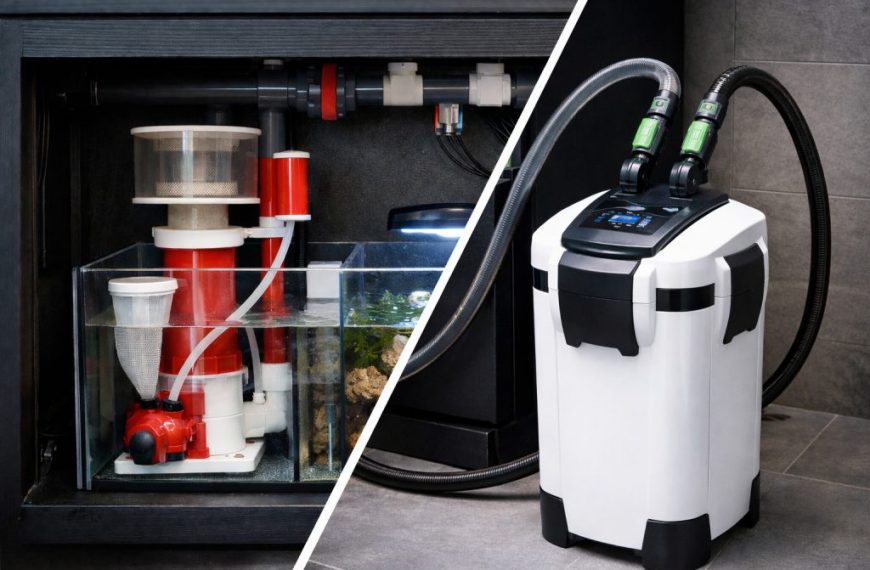
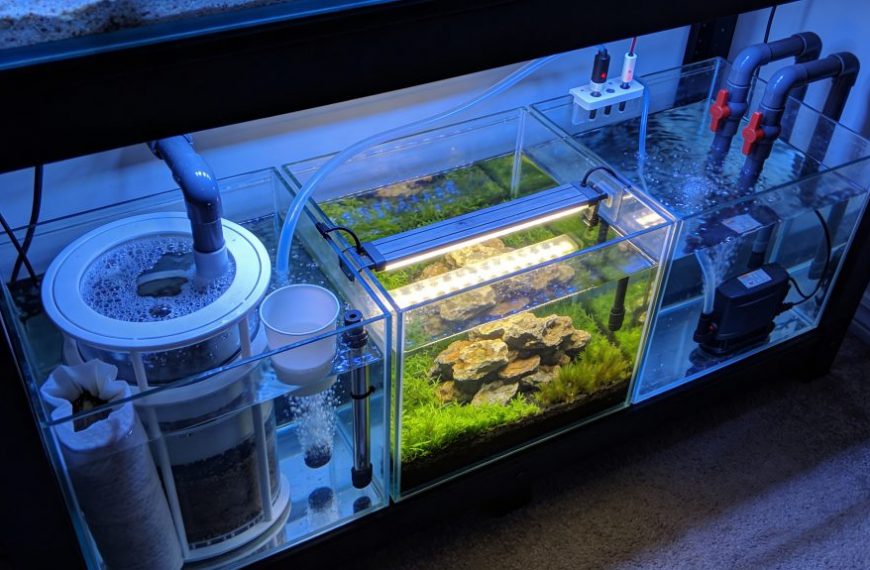
Filtration and flow matter more than gadgets. Use a protein skimmer for most reef tanks. Add powerheads for 20–40x total turnover per hour. Point flow across the surface for gas exchange.
- Tank and stand rated for full weight and level floors
- Heater, thermometer, and a simple timer or controller
- Powerheads, filter media, and a lid to reduce jumps
- RO/DI unit or a reliable water source plan
Keep your shopping focused and staged. Buy the tank, heater, and flow first. Add lights later if you will keep corals. For deeper setup help, see saltwater aquarium basics.
Section 2: Mix water, build the aquascape, and cycle safely
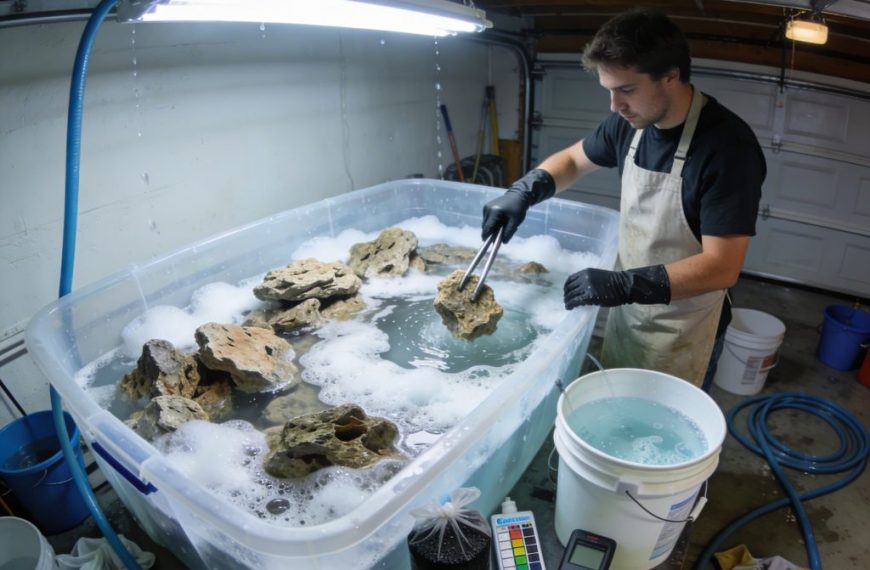
Mix saltwater with RO/DI water whenever possible. Target salinity at 1.025 specific gravity. Use a refractometer and calibrate it with 35 ppt fluid. Let water mix for 12–24 hours.
Add sand and rock with stability in mind. Use 0.5–1.5 inches of sand for easy cleaning. Place rock on the glass, not on loose sand. Leave space around the rock for flow and siphoning.
Cycle the tank before adding fish. Use bottled bacteria and an ammonia source. Hold ammonia near 2 ppm during the first week. The cycle is ready when ammonia and nitrite hit 0 within 24 hours.
Test with real numbers, not guesses. Target pH 8.0–8.3 and alkalinity 8–9 dKH. Keep nitrate under 20 ppm during early stocking. Do a 25–30% water change after the cycle ends.
- Run the tank at 77–79°F for the full cycle
- Keep lights off during cycling to limit algae blooms
- Top off daily with fresh water to hold salinity steady
- Log test results and dates in a simple notebook
If you see cloudy water, stay patient. Bacterial blooms are common in week one. Increase surface agitation and keep feeding at zero. For a step-by-step schedule, read how to cycle a saltwater tank.
Section 3: Stock slowly, quarantine, and avoid common mistakes
Add animals in small steps. Start with a hardy clean-up crew after the cycle. Then add one fish at a time. Wait 10–14 days between fish to track ammonia and behavior.
Quarantine prevents most disasters. Use a 10–20 gallon bare tank with a sponge filter. Observe new fish for 14–30 days. Watch for spots, heavy breathing, and flashing on objects.
Feed less than you think. Offer small meals once or twice daily. Remove uneaten food after two minutes. Overfeeding drives algae and nitrate spikes. It also fuels cyanobacteria blooms.
Learn fast troubleshooting cues. If fish gasp at the surface, increase aeration and check temperature. If algae explodes, reduce light to 6–8 hours and cut feeding. If salinity swings, add an ATO or top off by hand daily.
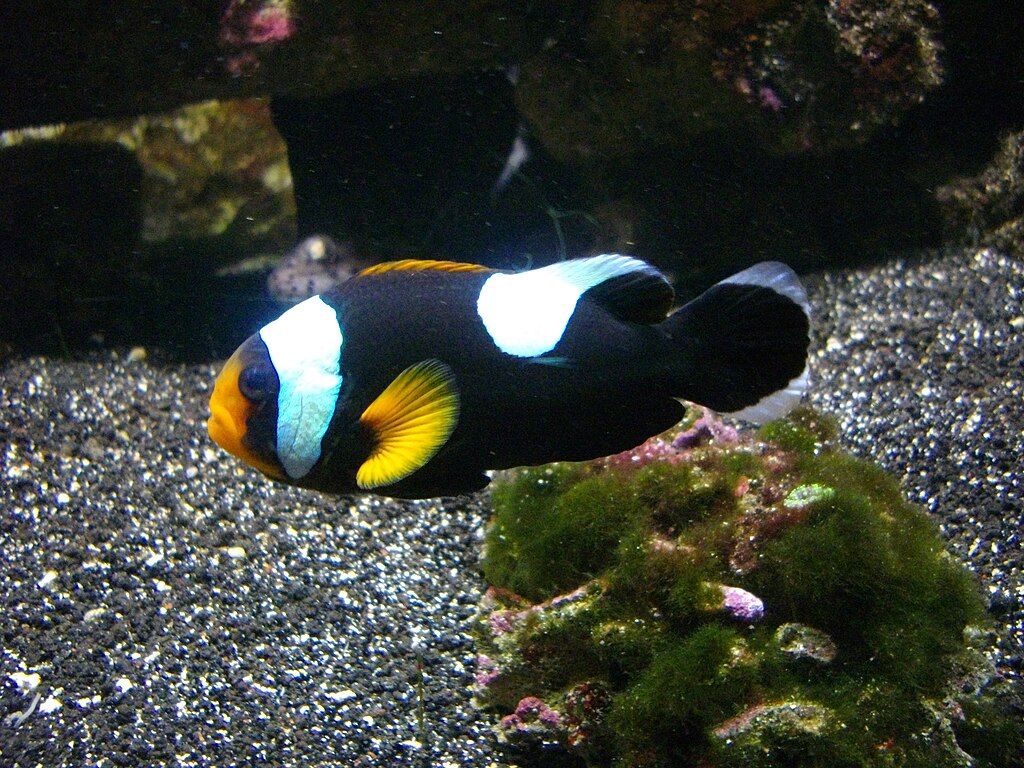
- First fish choices: ocellaris clownfish, royal gramma, firefish
- Skip “starter” damsels if you want peaceful stocking later
- Do weekly 10–15% water changes for the first two months
- Use a power strip with drip loops on every cord
Keep expectations realistic for the first month. Diatoms often appear around week two. They fade as the tank matures. For long-term stability tips, visit reef tank maintenance.
Sources: Reefkeeping Magazine (aquarium cycling and husbandry articles); Martin A. Moe Jr., “The Marine Aquarium Handbook”; Julian Sprung, “The Reef Aquarium” series.
 By
By