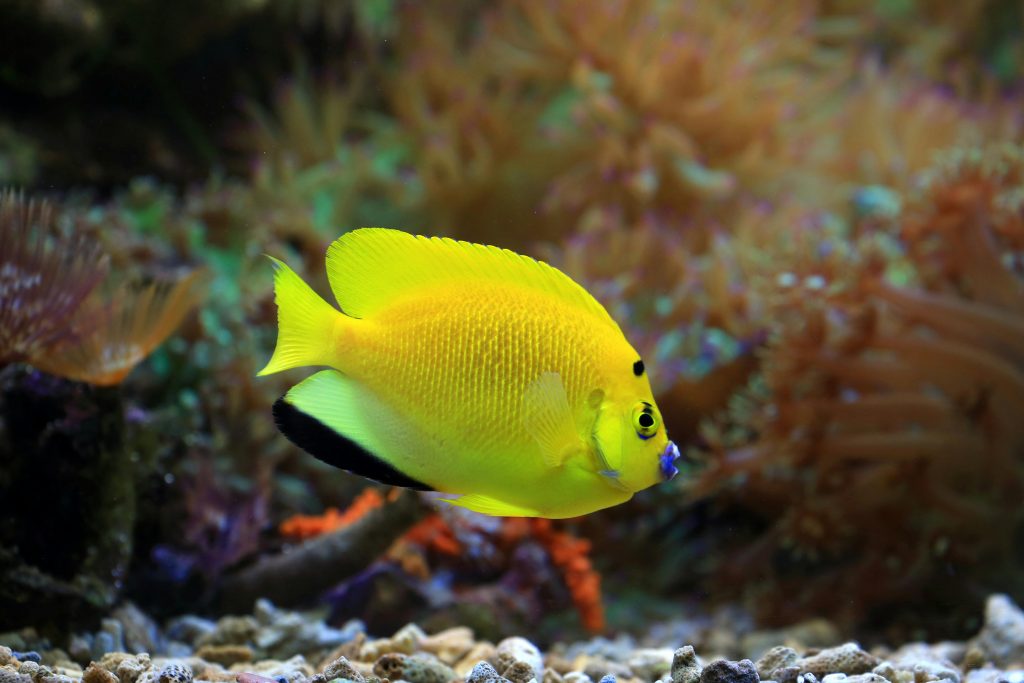
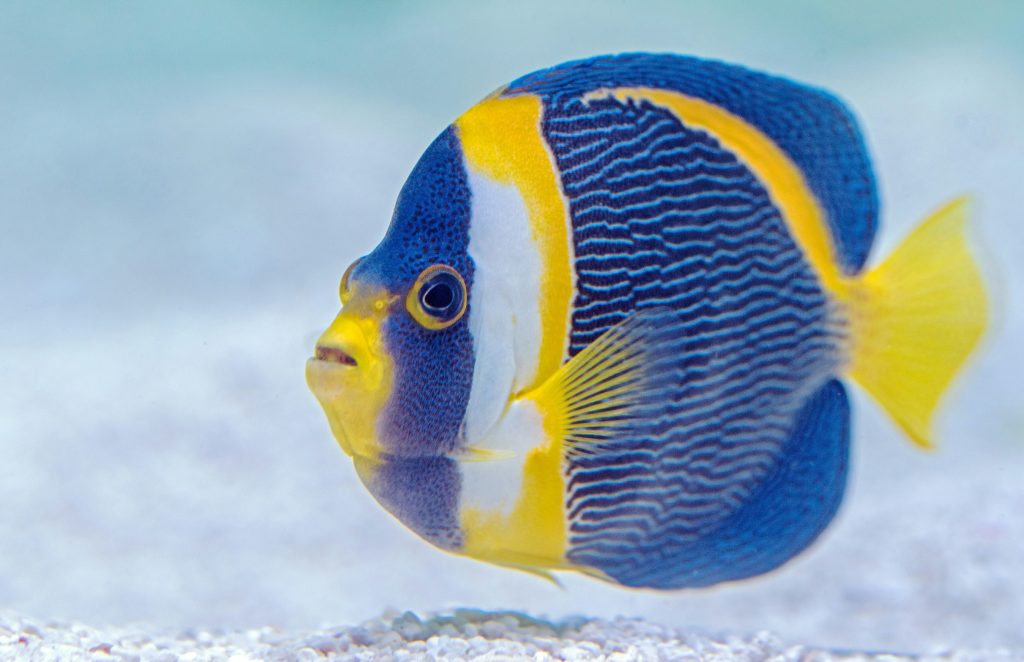
The Scribbled Angelfish (Chaetodontoplus duboulayi) is a bold, high-contrast show fish. It can thrive in captivity with planning and steady care. This guide covers tank setup, feeding, and long-term success.
Natural behavior and choosing a healthy fish
Scribbled Angelfish come from Australia and nearby reefs. Adults can reach 10 to 12 inches. They need space and stable water. Expect a confident fish that patrols rockwork daily.
Pick a fish with clear eyes and full fins. The belly should look rounded, not pinched. Ask to see it eat in the store. Refusing food is a common warning sign.
Color can vary with stress and lighting. Faded bars often improve after a few weeks. Heavy breathing can signal ammonia burn or flukes. Avoid fish that hover at the surface.
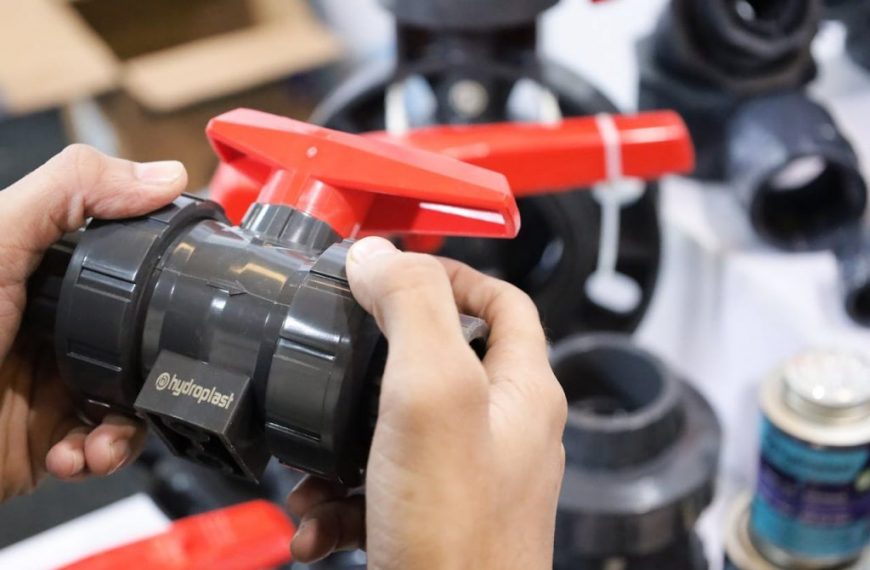
Quarantine is worth the effort with this species. Use a 40 to 55 gallon bare-bottom tank. Add PVC elbows for cover. Learn a simple workflow in our saltwater fish quarantine guide.
- Choose a specimen that eats pellets or frozen foods on demand.
- Look for smooth breathing and no flashing against objects.
- Transport it warm and dark to reduce stress.
Tank size, aquascape, and water parameters
Plan for an adult fish from day one. A 125-gallon tank is a practical minimum. A 180-gallon system is better for long-term stability. Length matters more than height for swimming room.
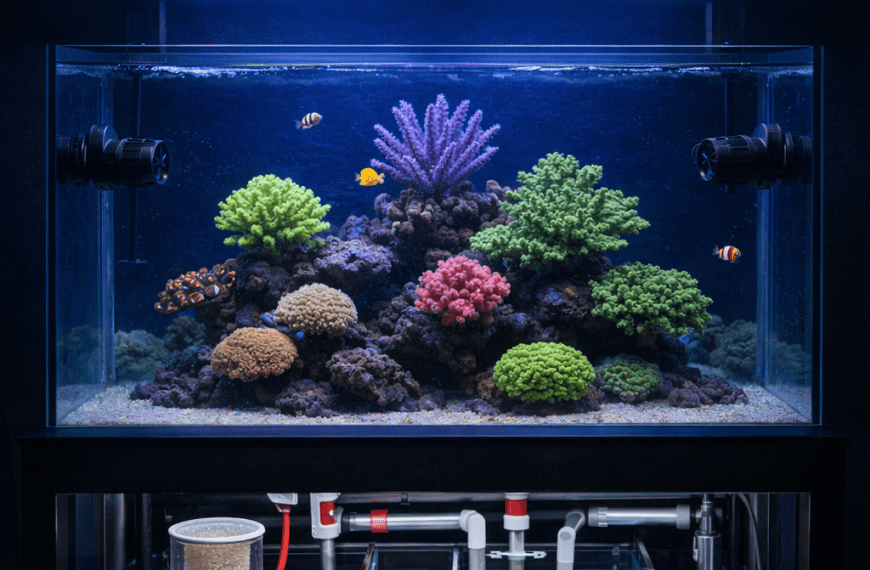
Build a rockscape with caves and multiple lanes. Leave open sand and a clear front path. This reduces pacing and aggression. Use stable rock structures that cannot shift.
Keep water parameters steady and boring. Aim for 25 to 26°C (77 to 79°F) and salinity 1.025 to 1.026. Maintain pH 8.1 to 8.4 and alkalinity 8 to 9 dKH. Keep nitrate under 20 ppm and phosphate under 0.10 ppm.
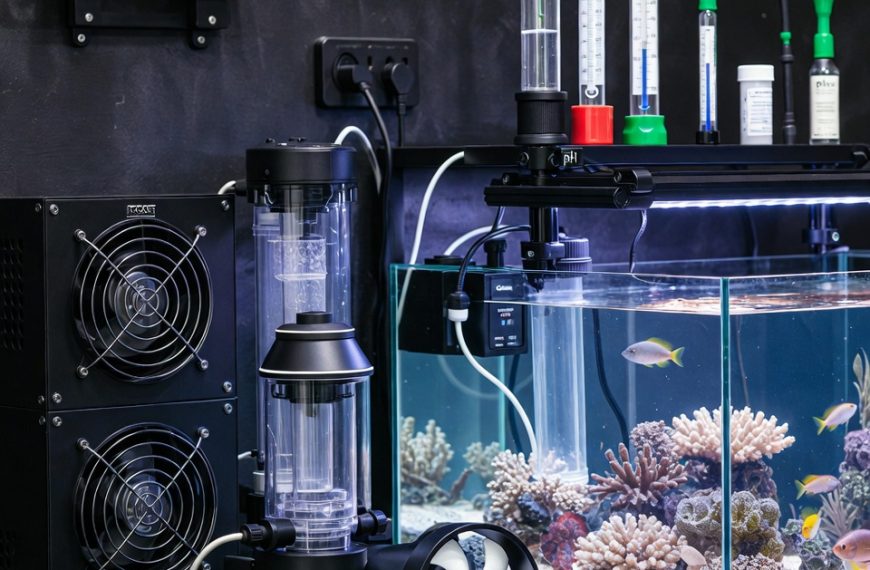
Strong filtration helps with heavy feeding. Use a skimmer rated for 1.5 to 2 times tank volume. Provide moderate flow with calm zones. For stability basics, see our reef tank water parameters checklist.
- Do 10% weekly water changes, or 20% every two weeks.
- Use an auto top-off to prevent salinity swings.
- Test alkalinity twice weekly during the first month.
Feeding, reef safety, and troubleshooting
Scribbled Angelfish need frequent, varied meals. Feed two to three times daily. Offer frozen mysis, chopped clam, and quality pellets. Add algae sheets or spirulina flakes several times weekly.
Use a feeding station to reduce waste. Soak foods in vitamins twice weekly. Include sponge-based angelfish blends when possible. This supports long-term condition and color.
Reef safety is mixed. Many will nip LPS, zoanthids, and clam mantles. Some ignore corals for months, then start sampling. If you want a safer layout, keep it in a fish-only or soft coral system. Read our reef-safe angelfish reality check before committing.
Common problems include HLLE, ich, and bullying. HLLE often links to poor diet and stray voltage. Add nori, improve filtration, and run fresh carbon in a bag. If it stops eating, check ammonia, then look for flukes or velvet signs.
- If aggression starts, add rock breaks and reduce mirror-like glass reflections.
- If breathing increases, raise surface agitation and confirm oxygen levels.
- If coral nipping begins, feed smaller meals more often.
Sources: FishBase species profile for Chaetodontoplus duboulayi; Scott W. Michael, Marine Fishes; Julian Sprung, The Reef Aquarium (husbandry and nutrition sections).
 By
By