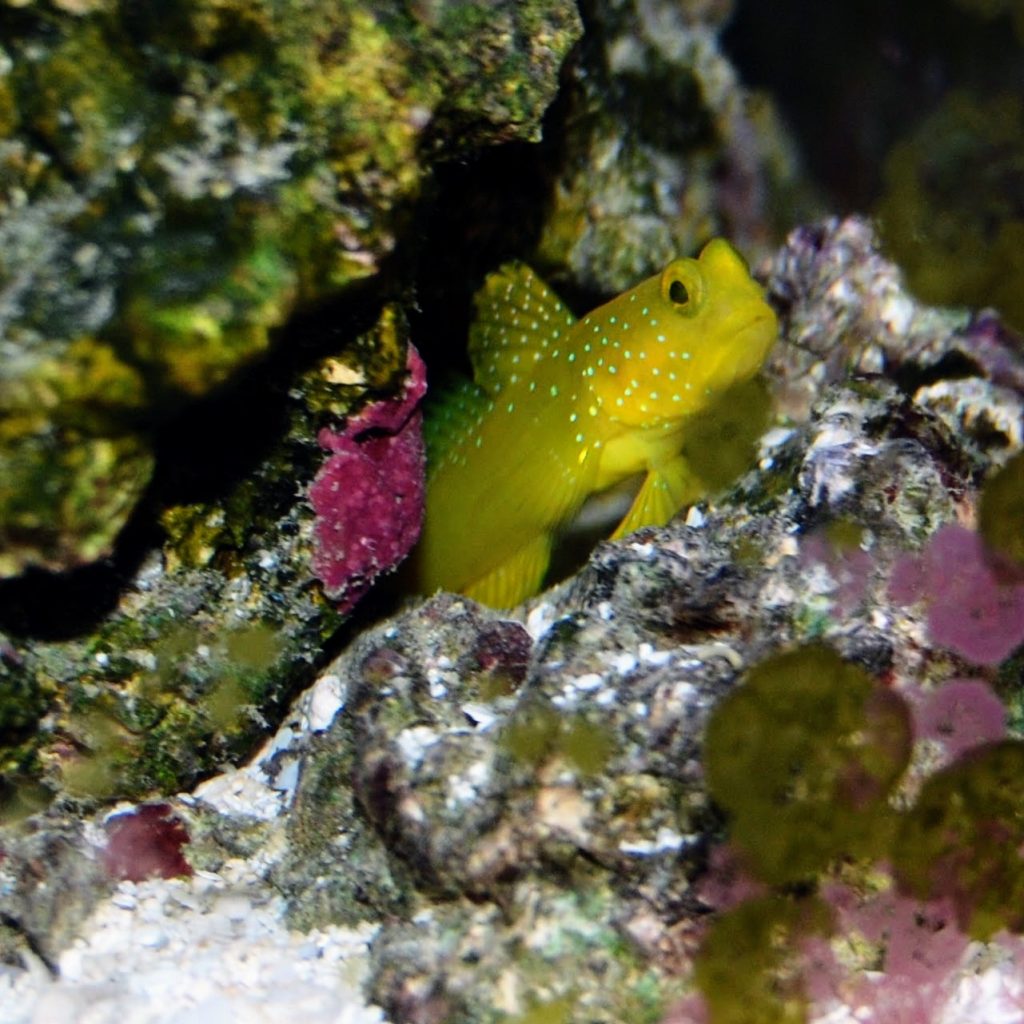
The Yellow Watchman Goby (Cryptocentrus cinctus) is a hardy, character-rich reef fish. It perches, digs, and often bonds with pistol shrimp. With the right setup, it thrives for years in mixed reefs.
Tank size, aquascape, and ideal water parameters
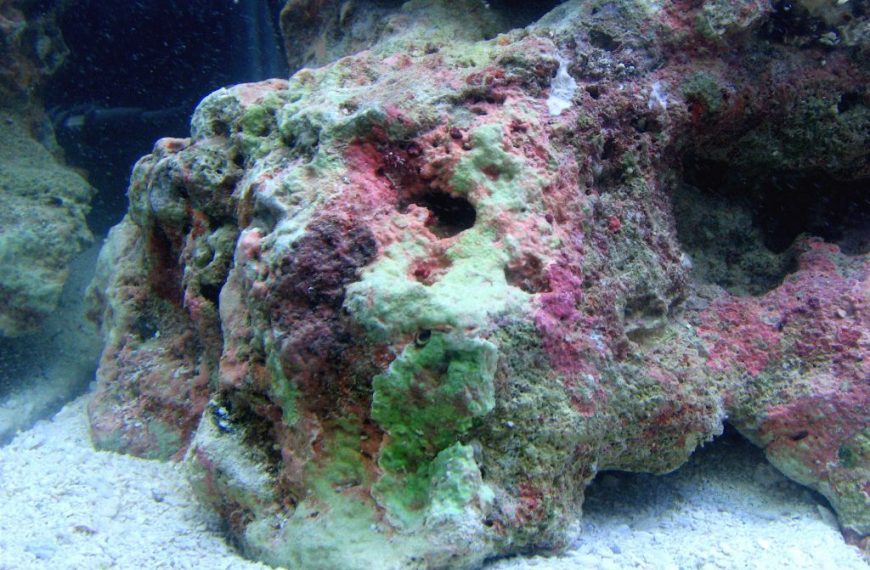
Plan a minimum of 20 gallons for one goby. Use 30 gallons if you want a shrimp partner. Provide a wide sandbed area for burrowing. Keep rockwork stable and well supported.
Use sand that is 1 to 2 mm grain size. Aim for a depth of 2 to 3 inches. The goby will move sand daily. Place rocks on the glass or on supports first.
Keep parameters steady and boring. Target 25 to 26°C (77 to 79°F). Keep salinity at 1.025 to 1.026 specific gravity. Maintain pH 8.1 to 8.4, alkalinity 8 to 9 dKH, and nitrate 2 to 15 ppm.
Strong flow can stress a perching goby. Use moderate flow with calmer zones near the sand. Provide several cave entrances. This reduces panic and jumping.
- Cover the tank with a tight lid or mesh. Gaps cause losses.
- Stabilize rocks before adding sand. Burrowing can topple stacks.
- Keep ammonia and nitrite at 0 ppm at all times.
For more setup basics, review our reef sandbed guide. If you are still cycling, see how to cycle a marine tank.
Feeding, behavior, and tankmate choices
Yellow Watchman Gobies are eager eaters once settled. Feed small portions twice daily for the first two weeks. Use frozen mysis, enriched brine, and finely chopped seafood. Add a quality pellet after it recognizes food.
Many individuals sit and wait for food. This can cause slow weight loss in busy tanks. Watch the belly line from the side. A pinched belly means it needs more target feeding.
They are usually peaceful with most reef fish. Avoid large hawkfish and aggressive dottybacks. Use caution with larger wrasses that hunt crustaceans. Keep only one watchman goby per tank unless it is a bonded pair.
Coral safety is excellent. Sand storms can irritate low corals, though. Keep sensitive LPS off the sand. Place frags higher until the goby picks a home.
- Target feed with a pipette near the burrow entrance.
- Soak frozen foods in vitamins twice weekly.
- Feed after lights on, and again before dusk.
If you need a food plan, use our reef fish feeding schedule. It helps prevent underfeeding in community tanks.
Pistol shrimp pairing, quarantine, and troubleshooting
The classic partner is a pistol shrimp, often Alpheus species. The shrimp digs and maintains the burrow. The goby stands guard and warns of danger. You may see antenna contact between them.
Add the goby first in many cases. Let it choose a corner and settle. Then add the shrimp near that area after lights out. Pairing can take hours or several days. Avoid moving rocks once they establish a tunnel.
Quarantine is still smart for this hardy fish. Use a 10 gallon tank with PVC shelters. Match salinity and temperature to the display. Observe for 14 to 21 days, and treat only if needed.
Common issues include jumping, refusing food, and cloudy eyes. Jumping is almost always a lid problem. Food refusal often comes from stress or strong flow. Cloudy eyes can follow sand irritation or bacterial infection.
- If it will not eat, lower flow near the burrow and dim lights for two days.
- If sand hits corals, redirect a powerhead away from the burrow zone.
- If the shrimp disappears, check overflow guards and pump intakes.
Do not chase it with a net in the display. Use a fish trap with food instead. Stress can trigger disease and jumping. Patience solves most goby problems.
The Yellow Watchman Goby rewards stable water and a secure home. Give it sand, shelter, and calm tankmates. Feed consistently and keep the lid tight. You will get years of bold behavior and reef-safe charm.
Sources: FishBase (Cryptocentrus cinctus species summary); Scott W. Michael, Marine Fishes; Fenner, The Conscientious Marine Aquarist.
 By
By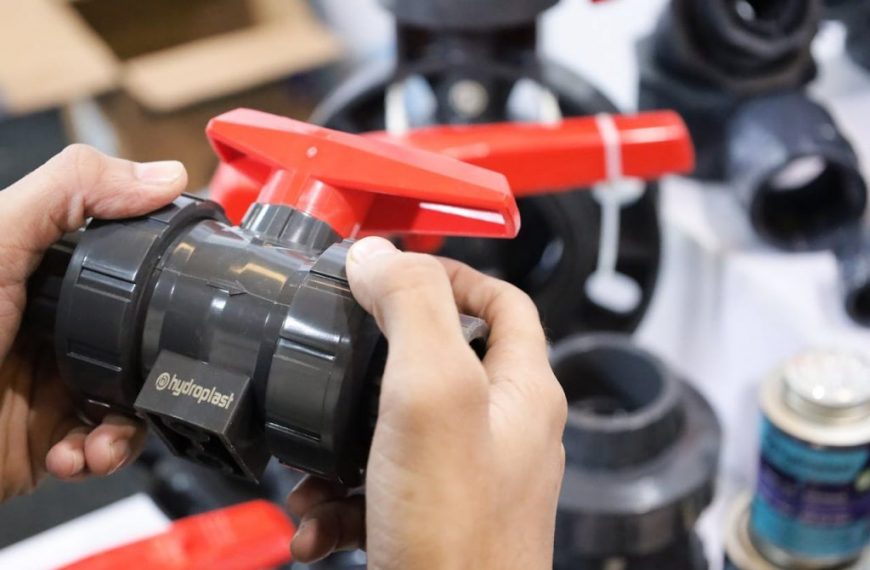
![[food] Seaweed Snacks](https://fancyreef.com/wp-content/uploads/49758399738-7b109775d3-b.jpg)